 Prana Path
Feel better, every day.
Clear, calm health guides - sleep, food, fitness, mind - plus yoga, breathwork and meditation with wisdom from India's Vedic texts.
Latest in health
All articles →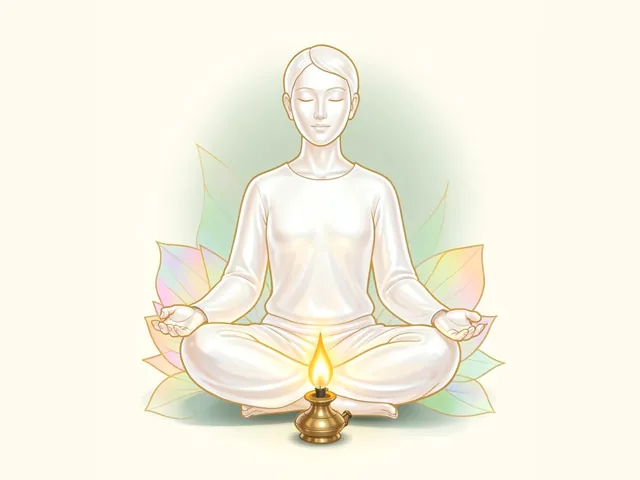
Mantra Meditation and Hare Krishna: A Gentle Guide
A mantra (a repeated word or phrase) gives your mind one gentle thing to rest on. The Hare Krishna mantra is one of the best-known mantras in the world. This guide explains what it is and how to begin.
26 Oct 2026MeditationMantra Meditation Kaise Kare: Simple StepsMany people ask, mantra meditation kaise kare (how to do mantra meditation). It is a simple practice. You sit quietly and repeat one word…
26 OctMeditationMeditation for Concentration: A Gentle Beginner GuideMany people want a calmer, steadier mind. Meditation for concentration trains you to rest your attention on one thing. This guide shows…
26 Oct BreathworkBreathwork for Recovery: A Gentle Guide
Rest matters as much as effort. Breathwork (slow, mindful breathing) is a simple way to help your body settle after a busy day or a…
26 OctBreathworkBreathwork for Emotional Release: A Gentle GuideMany people want a calm way to let go of heavy feelings. Slow, gentle breathing is one simple tool. This guide shows you how to start…
26 OctBreathworkBreathwork for Nervous System RegulationYour breath is one of the few body signals you can change on purpose. Slow, gentle breathing may help your body feel calmer. This guide…
26 Oct BreathworkHow to Do Pranayama When Nose Is Blocked
A blocked nose can make breath practice feel hard. You do not have to force it. This guide shows gentle ways to practise pranayama (yoga…
26 OctBreathworkBreathing Technique for Sternum X Ray: Gentle GuideA sternum x ray looks at the flat bone in the middle of your chest. Many people feel nervous before any scan. Calm, slow breathing can help…
25 OctBreathworkBreathing Technique for Panic Attack: Gentle StepsA panic attack can feel scary and fast. Slow breathing is one gentle tool many people use to feel steadier. This guide shows a simple…
25 OctBreathworkBreathing Exercise for Normal Delivery: Gentle GuideMany expecting mothers want a calm way to prepare for a normal (vaginal) delivery. Slow breathing is a simple skill you can practise at…
25 Oct YogaYoga Stretches for Shoulders and Neck: Gentle Guide
Many people feel tight around the shoulders and neck. Gentle yoga gives you a calm way to move and breathe. This guide shares simple…
24 Oct YogaMorning Yoga Flow Free: A Gentle 10-Minute Routine
A morning yoga flow is a short, slow routine you do when you wake up. You need no cost, no class and no special gear. This guide gives you…
24 OctYogaYoga Asanas for Height Increase: What Really HelpsMany people search for yoga asanas (yoga poses) that make them taller. The honest answer is simple. Yoga cannot promise extra height, but…
24 OctNew: Vigyan Bhairava Tantra - the 112 methods
All methods →The breath moves up and out. The breath moves down and in. In this flow, the supreme power (the divine energy behind all life) breathes itself out.…
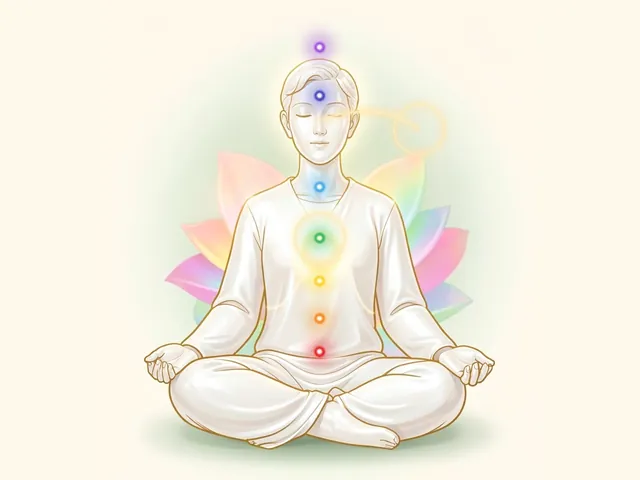
The breath may have gone in, or it may have gone out. When it does not hurry back from those two spaces, then, O Bhairavi, the true form of Bhairava…
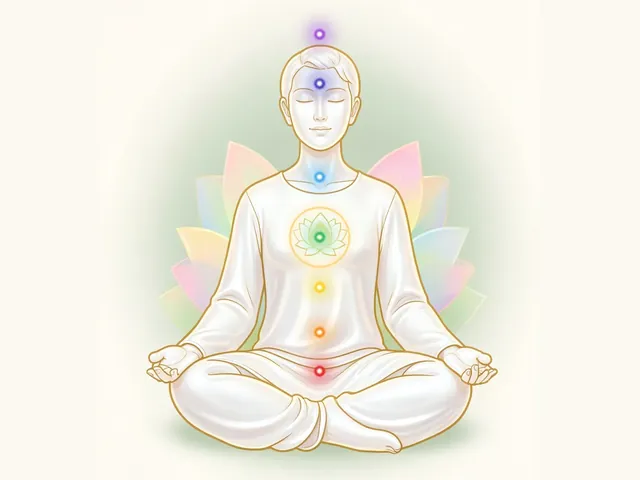
Sometimes the energy that moves as breath neither goes out nor comes in. Then the centre opens like a flower, free of thought. In that middle, your…
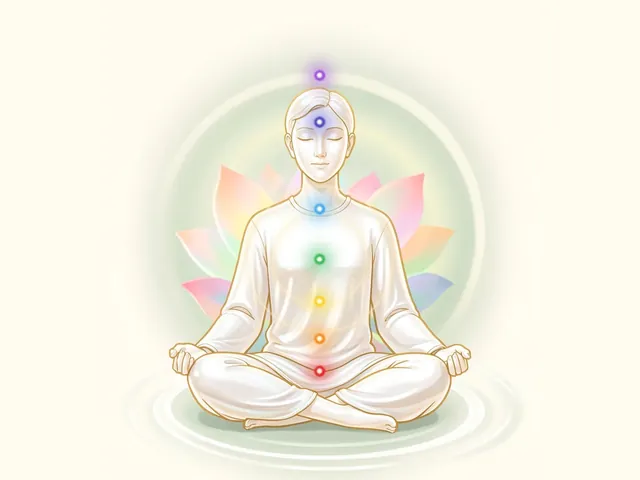
The breath may be held, emptied out or filled in. At the end of each, the one called 'Peace' shines out through that power, and you become…
Practise today
Meditation in motion: slow, mindful steps with the breath - perfect if sitting still is hard.
A glass of warm water after waking is a gentle, simple start to the day.
Mind & Mood tipPhone-free first 20 minutesGive your mind a quiet start - stretch, breathe or sit before checking messages.
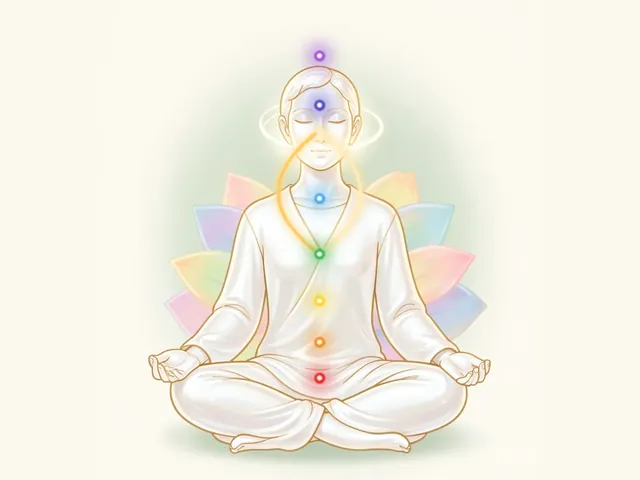
The body is like a chariot, the senses are the horses and the mind holds the reins. Yoga is learning to hold the reins gently and firmly.— Katha Upanishad 1.3.3-4, in our words
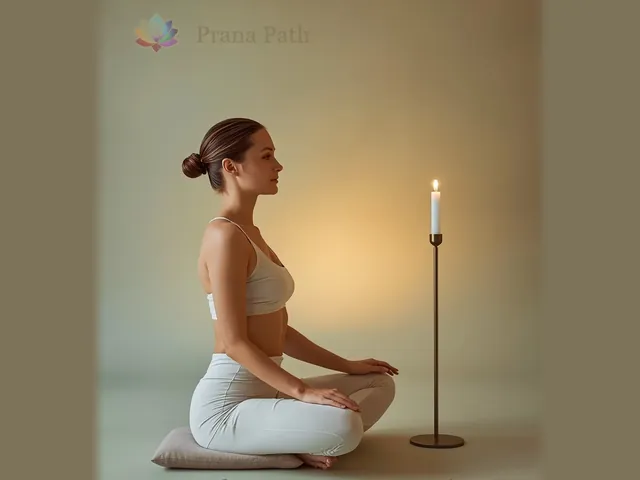
A gentle focus practice: rest your gaze on a candle flame, then picture its glow with your eyes closed.
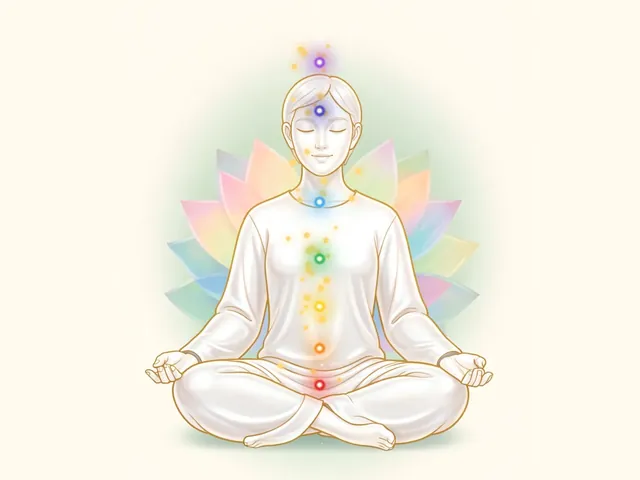
The early signs of progress in yoga: a light body, good health, less craving, a clear face and a pleasant voice.— Shvetashvatara Upanishad 2.13, in our words
Wait 2-3 hours after a big meal before yoga or breathwork.
Mind & Mood tipThe 5-breath pauseBefore reacting to stress, take five slow breaths. Your answer will be calmer.
Chapter 6 of the Gita gives a simple, practical meditation method. Here it is in plain steps.
Fill half your plate with vegetables, a quarter with protein (dal - lentils, beans, paneer - Indian cheese, eggs) and a quarter with grains.
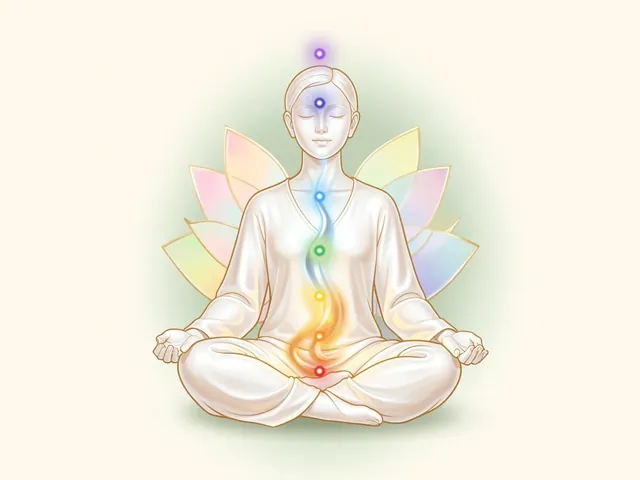
Practise in a clean, quiet, pleasant spot - away from noise and crowds, somewhere that feels good to be in.— Shvetashvatara Upanishad 2.10, in our words
Stopping a little before you feel full is an old Indian habit that matches the Gita's 'not too much'.
Do your work fully, but don't let success or failure throw you off balance. That evenness of mind is what yoga really means.— Bhagavad Gita 2.48, in our words
Four equal sides - in, hold, out, hold - to settle a busy mind in about two minutes.
Yoga is hard for someone who overeats or starves, oversleeps or never rests. Moderation in food, sleep, work and play is what makes it work.— Bhagavad Gita 6.16-17, in our words
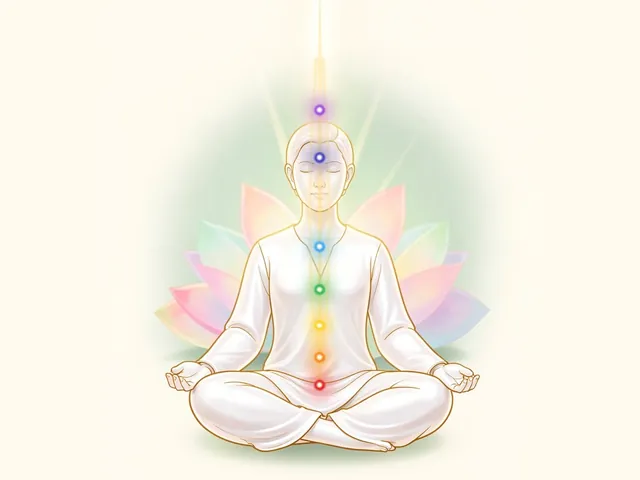
Don't force stillness. Calm the mind slowly, step by step, with patience.— Bhagavad Gita 6.25, in our words
Stand on one leg like a tall, quiet tree - balance for the body and focus for the mind.
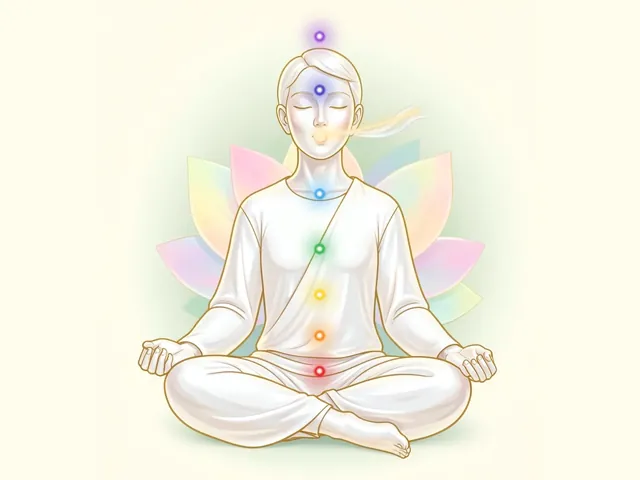
A soft humming out-breath, like a bee - one of the quickest ways to feel calm.
Breathe in through one side, hold, and out through the other - a classic breath practice (pranayama) for balance and calm.
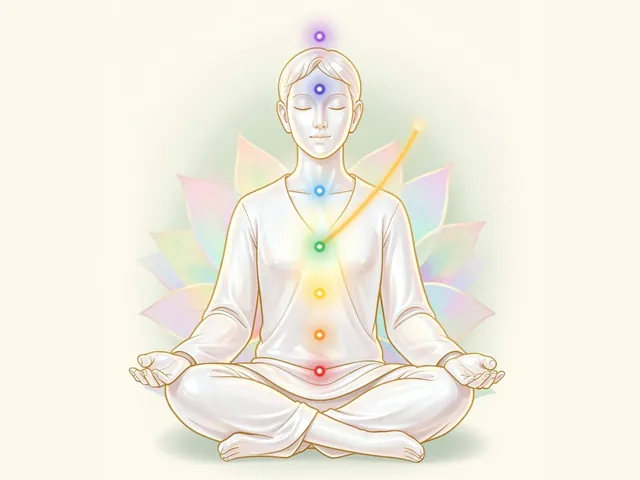
A wise person isn't shaken by trouble, doesn't chase every pleasure, and is free from fear and anger.— Bhagavad Gita 2.56, in our words
A gentle backbend from lying on your belly - opens the chest and wakes up the spine.
A calm mind is like a lamp in a windless place - its flame does not flicker.— Bhagavad Gita 6.19, in our words