
Pranayama for Headache: Gentle Breathing Tips
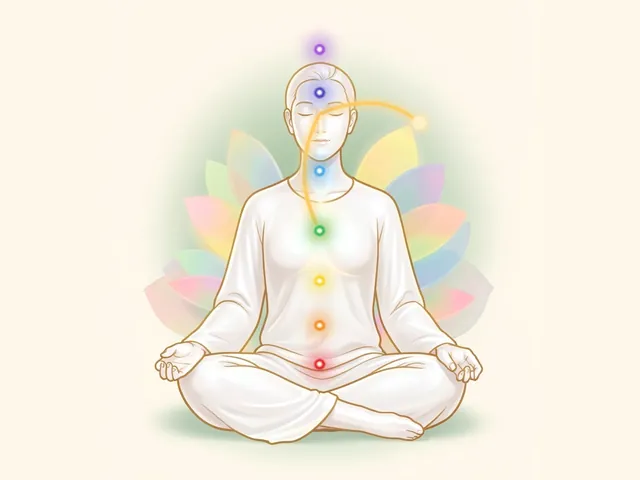
Many people reach for slow breathing when a headache builds. Pranayama (breath practice) is one calm tool you can try. This page explains what we know, which gentle practices suit beginners, and when to get medical help.
This is general wellness information, not medical advice. Read our health disclaimer.
Why breathing may help with headaches
Tension headaches are the most common type. They come from tight muscles in the shoulders, neck, scalp and jaw [2]. Stress, poor sleep and missed meals can make them more likely [2]. Slow breathing is a way to relax, and relaxing can ease muscle tightness. That is why many people try pranayama when stress is part of the picture.
What research says about relaxation and headache
Relaxation techniques might help with headache pain [1]. The research is mixed, though. In one review of studies with children, some reported fewer or milder headaches after relaxation training, and others did not [1]. Most of this research looks at relaxation in general. It does not look at pranayama (breath practice) on its own. So think of breathing as a gentle support, not a fix.
Two gentle pranayama practices to try
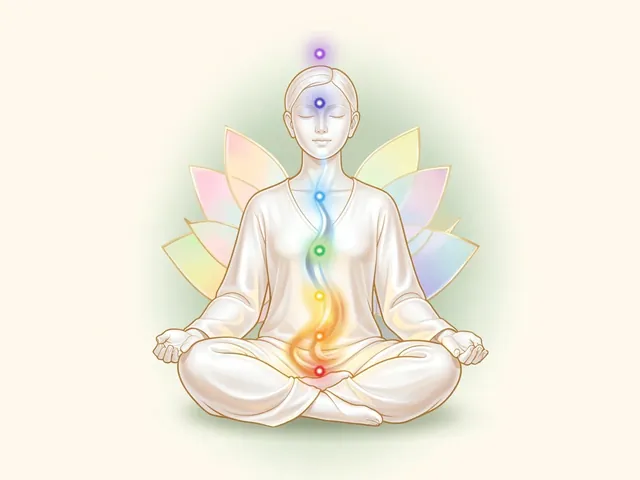
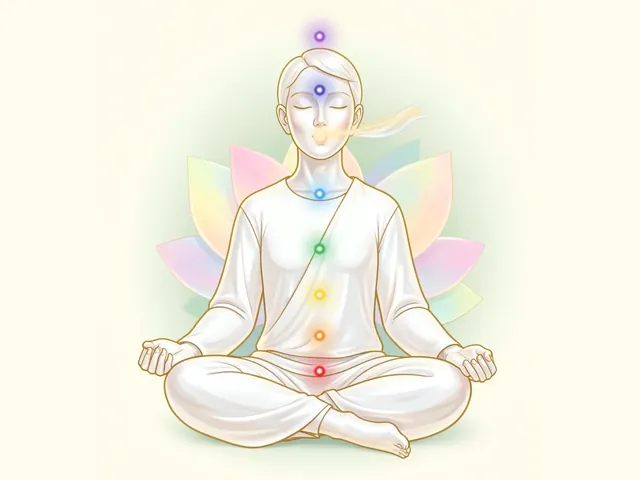
Alternate Nostril Breathing (Nadi Shodhana) is slow and even. You breathe in and out through one nostril at a time. Many beginners find it settles a busy mind, which suits stress-related headaches [2]. Bee Breath (Bhramari) uses a soft humming sound on the out-breath. The hum gives your mind one simple thing to follow. If either practice feels strained, return to normal breathing. Never force your breath.
How to set up your practice
Sit in a quiet place with your back supported. Loosen your jaw and drop your shoulders, since tight muscles in these areas link to tension headaches [2]. Keep the breath soft and smooth. Stop if you feel dizzy or your head hurts more. Pair breathing with regular meals, enough sleep and water, as these habits also matter for headaches [2].
Common beginner mistakes
Many beginners breathe too hard or hold the breath too long. Keep it easy, with no strain. Others practise in a bright, noisy room, which can add to the stress [2]. Some expect a headache to vanish at once. Relaxation gives mixed results for different people [1], so be patient and kind to yourself.
When to see a doctor
Not every headache needs a doctor, but some headaches warn of a more serious problem [2]. Tell your health care provider about sudden, severe headaches [2]. Get medical help right away after a blow to the head [2]. Also get help if a headache comes with a stiff neck, fever, confusion, fainting, or pain in the eye or ear [2]. Breathing practice is never a substitute for medical care.
Try it: simple steps
- Sit comfortably with your back supported.
- Relax your jaw and drop your shoulders.
- Close your eyes or look softly at the floor.
- Breathe in slowly through your nose.
- Breathe out slowly, with no force.
- Try Bee Breath or Alternate Nostril Breathing for a few minutes.
- Return to normal breathing and rest for a moment.
Questions people ask
Can pranayama help a headache?
Slow breathing is a relaxation method, and relaxation techniques might help with headache pain [1]. Results differ from person to person [1]. It works best as a gentle support alongside rest and good habits.
Which pranayama is best for tension headache?
Gentle, slow practices such as Alternate Nostril Breathing and Bee Breath suit most beginners. Tension headaches link to tight muscles and stress [2], so calm, easy breathing makes sense. Skip any fast or forceful breathing.
How long should I practise pranayama for a headache?
A few minutes is enough for a beginner. Stop at once if you feel dizzy or your headache gets worse. Short, calm sessions are better than long, strained ones.
Can I do breathing exercises during a migraine?
Some people find gentle breathing calming, but research on relaxation for migraine is mixed [1]. Choose soft breathing in a dark, quiet room. If your migraine is new or severe, ask a doctor [2].
Who should avoid pranayama for headache?
Anyone with sudden, severe headaches, or a headache after a blow to the head, should seek medical help first [2]. The same goes for a headache with fever, a stiff neck or confusion [2]. Ask your doctor before starting if you have a health condition.
Sources
- NCCIH: Relaxation Techniques · U.S. National Institutes of Health
- MedlinePlus: Headache · U.S. National Library of Medicine
Written with AI assistance from the sources above, then checked for copied text and risky health claims. How we write
Practise it here
Related reading
This is general wellness information, not medical advice. Move slowly, never force a pose or a breath, and stop if you feel pain, dizziness or breathlessness. If you are pregnant, have high blood pressure, heart, lung or eye conditions, or recent surgery, ask your doctor before starting.