 Prana Path
Meditation for Concentration: A Gentle Beginner Guide
Many people want a calmer, steadier mind. Meditation for concentration trains you to rest your attention on one thing. This guide shows gentle ways to start, with no special skill needed.
This is general wellness information, not medical advice. Read our health disclaimer.
What meditation for concentration means
Meditation is a group of practices that join mind and body. People use them to calm the mind and support well-being [1]. Some kinds ask you to hold your attention on one thing. That thing might be your breath, a sound, a picture or a mantra (a word or phrase you repeat) [1]. This is the heart of meditation for concentration. You pick one anchor and return to it again and again.
Focus practice and mindfulness: what is the difference?
Focus practice keeps your attention on a single object. Mindfulness is a little different. It means staying aware of the present moment without judging it [1]. Both start with paying attention on purpose. Beginners can try either one. Many people mix them, using the breath as the anchor and noticing thoughts kindly.
Start with the breath
Your breath is always with you, so it is an easy anchor. Sit comfortably and breathe in your normal way. Count each breath from one to ten, then begin again. Your mind will wander, and that is normal. Notice it, then come back to the breath. You can also try pranayama (breath practice) such as Box Breathing (Sama Vritti) or Alternate Nostril Breathing (Nadi Shodhana) before you sit. Slow breathing can help you settle first.
Use a visual or moving anchor
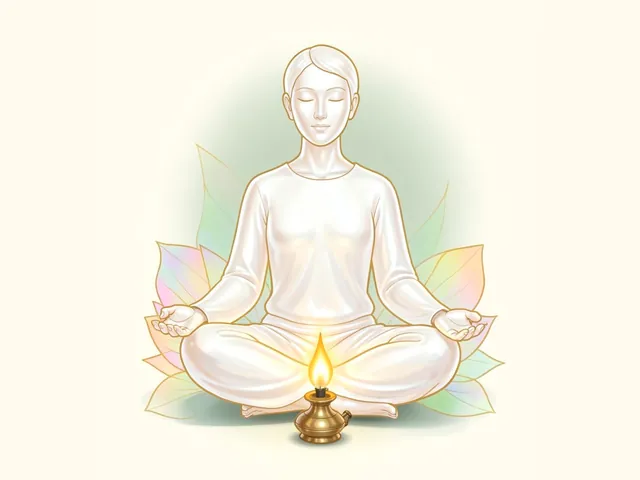
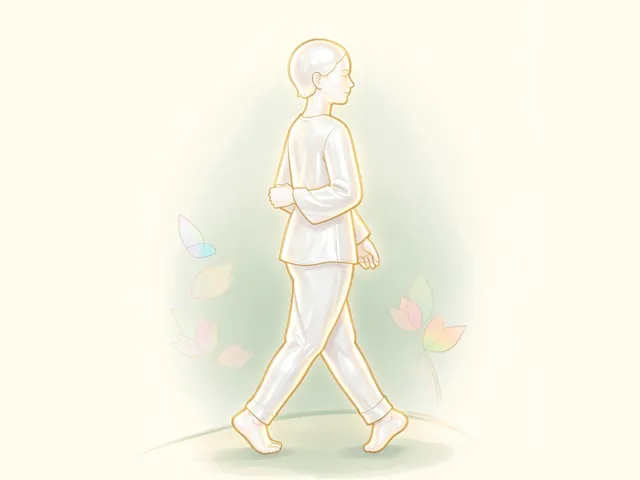
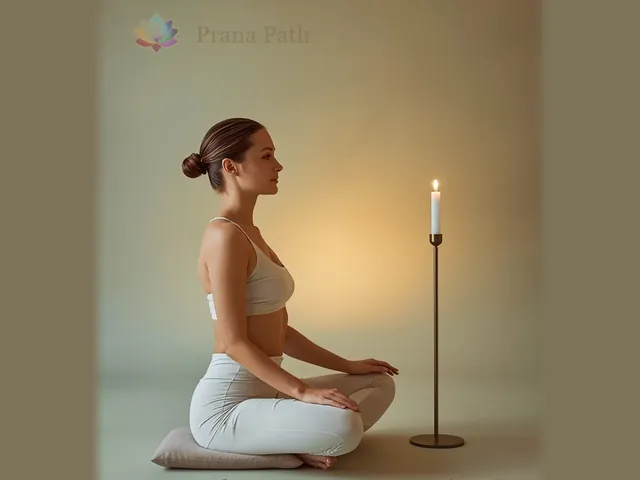
A picture or a sound can hold the mind too [1]. Trataka (Candle Gazing) uses a calm flame as the anchor. You look softly at the flame, then rest your eyes. If sitting still feels hard, try Walking Meditation (Chankramana). You feel each step and keep your attention on your feet. Some people find a moving anchor easier at first.
Balance and gentle effort
The Bhagavad Gita (an ancient Indian text) speaks about balance in daily life. In verses 6.16 and 6.17, it says that steady practice grows from moderation in eating, sleeping and effort. Pushing too hard does not help. Meditation is usually seen as low risk [1]. Still, a 2020 review found that about 8 percent of people had a negative effect, a rate close to that of talk therapies [1]. Go gently, stop if you feel upset, and speak to a doctor or teacher if worries continue. You can read more in our Bhagavad Gita Meditation (Dhyana) guide.
Build a simple daily habit
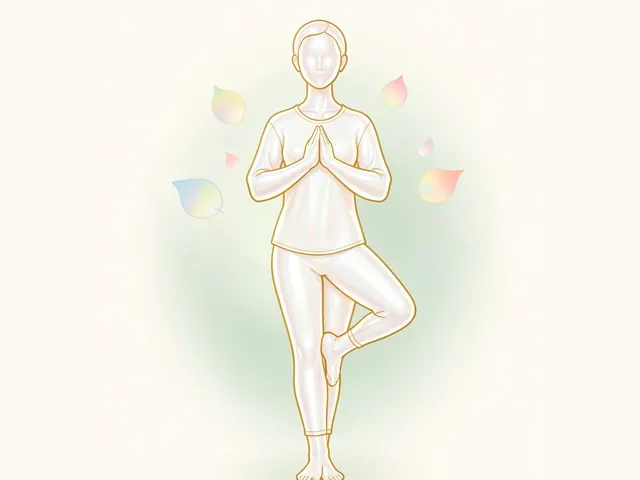
Short, regular practice is easier to keep than long, rare sessions. Pick a quiet spot and a time that suits you. Many people use the same chair each day. Meditation has become more popular with adults over the years. One survey saw use more than double between 2002 and 2022 [1]. You can also warm up your body first. Try Tree Pose (Vrikshasana), which trains steady balance. Or try Cobra Pose (Bhujangasana), which opens the chest and helps you sit tall.
Try it: simple steps
- Find a quiet place and sit in a comfortable position.
- Set a timer for five minutes.
- Close your eyes or look softly at the floor.
- Breathe in your normal way and feel the breath at your nose.
- Count each breath from one to ten, then start again.
- When your mind wanders, notice it kindly and return to the breath.
- End slowly and stay still for a moment before you move.
Questions people ask
How long should I meditate for concentration as a beginner?
Start with about five minutes a day. Add a few minutes when it feels easy. Regular short practice suits most beginners better than one long session.
What if my mind keeps wandering?
This happens to everyone. The practice is to notice the wandering and gently return to your anchor. Each return is part of the training, not a failure.
Is meditation safe for everyone?
Meditation is usually seen as having few risks [1]. A small share of people in studies had a negative experience [1]. If you feel upset or unwell, stop and talk to a doctor or qualified teacher.
Which technique is best for focus?
No single method suits everyone. Breath counting, Trataka (Candle Gazing) and Walking Meditation (Chankramana) are all good starting points. Try each one and keep the one you enjoy.
Sources
- NCCIH: Meditation and Mindfulness - Effectiveness and Safety · U.S. National Institutes of Health
Written with AI assistance from the sources above, then checked for copied text and risky health claims. How we write
Practise it here
Related reading
This is general wellness information, not medical advice. Move slowly, never force a pose or a breath, and stop if you feel pain, dizziness or breathlessness. If you are pregnant, have high blood pressure, heart, lung or eye conditions, or recent surgery, ask your doctor before starting.