 Prana Path
Breathing Technique for Panic Attack: Gentle Steps
A panic attack can feel scary and fast. Slow breathing is one gentle tool many people use to feel steadier. This guide shows a simple method, a few yoga ideas, and when to ask a doctor for help.
This is general wellness information, not medical advice. Read our health disclaimer.
Why slow breathing can help you feel calmer
Your body has a calming mode. Experts call it the relaxation response. It brings slower breathing, lower blood pressure and a slower heart rate [1]. Breathing exercises are one way people invite this calm [1]. They are a gentle support. They are not a cure or a treatment.
The basic breathing technique for panic attack moments
The simplest method is slow, deep breathing. Experts also call it diaphragmatic breathing (belly breathing) [1]. You focus on each slow breath and let your belly move. Many people find that this gives the mind one easy thing to follow [1]. Try it first when you feel fine, so it is familiar when you feel upset.
Step by step: how to practise
Sit down or lean against a wall. Put one hand on your belly. Breathe in slowly through your nose and feel your belly rise. Breathe out gently and feel it fall. Slow, deep breaths are the heart of this exercise [1]. If you feel dizzy, go back to your normal breathing and rest.
Yoga breathing ideas to try when you feel steady
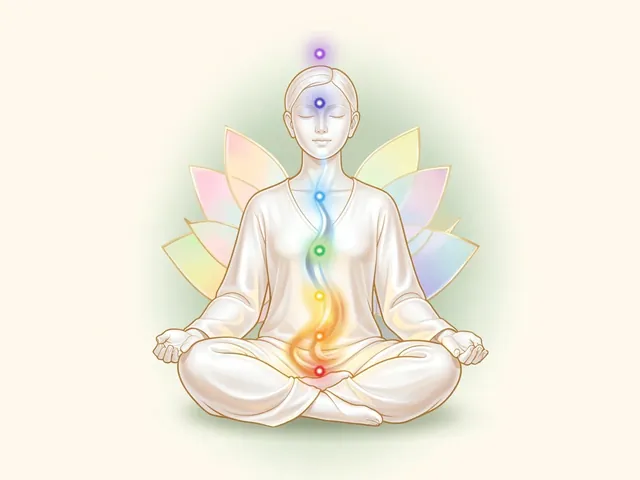
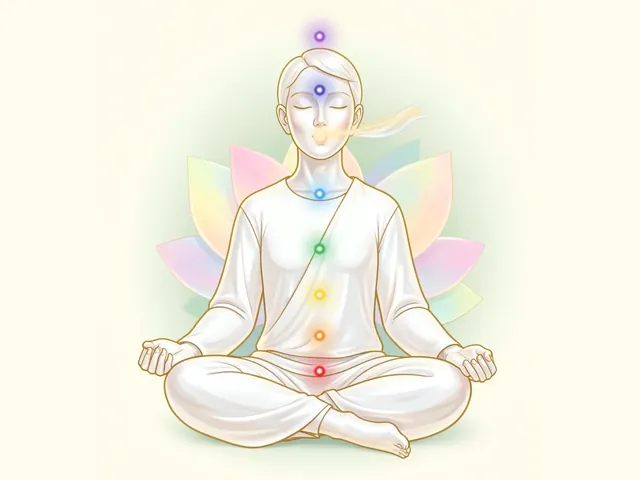
Yoga offers other slow breathing styles. Box Breathing (Sama Vritti) uses even counts for the in-breath, the pause and the out-breath. Bee Breath (Bhramari) adds a soft humming sound on the out-breath. Alternate Nostril Breathing (Nadi Shodhana) moves the breath through one side of the nose at a time. All of these are slow breathing practices, which fit the type of breathing exercise experts describe [1]. Learn them on calm days, not in the middle of panic.
Balance and gentle daily habits
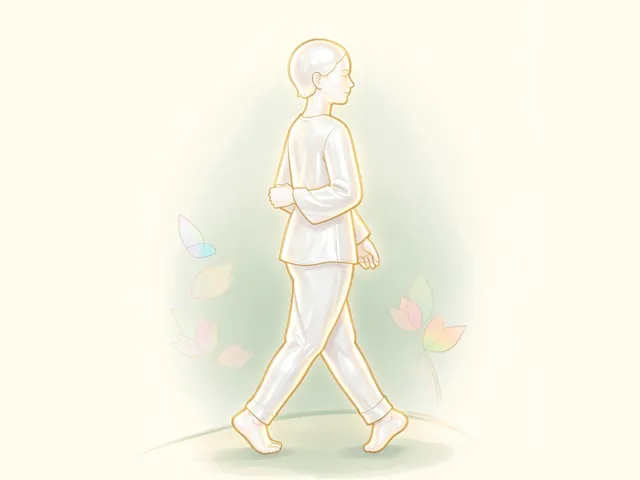
The Bhagavad Gita (an ancient Indian text) teaches balance. In verses 6.16 and 6.17, Krishna says yoga suits people who eat, sleep, work and rest in moderation. You can apply this idea to stress. Short, regular breathing breaks may feel better than rare, long ones. Experts list other ways to relax too. One is progressive muscle relaxation (tensing your muscles, then letting them go) [1]. A slow Walking Meditation (Chankramana) can also help you feel grounded.
When to ask a doctor for help
Breathing exercises are general wellness support. They do not replace medical care. Researchers often compare these relaxation methods with cognitive behavioural therapy. This is a type of talking therapy. This is true even in relaxation studies [1]. If panic attacks happen often, or you feel chest pain or cannot breathe well, see a doctor. Seek urgent help if you feel unsafe. You deserve proper care and kind support.
Try it: simple steps
- Sit down in a safe, quiet spot if you can.
- Put one hand on your belly.
- Breathe in slowly through your nose.
- Feel your belly rise under your hand.
- Breathe out gently and slowly.
- Repeat for a few minutes at your own pace.
- Stop and rest if you feel dizzy.
Questions people ask
What is the best breathing technique for a panic attack?
Slow, deep belly breathing is a simple place to start. Experts describe it as a common relaxation exercise [1]. Practise it on calm days so it feels familiar. See a doctor if panic attacks keep coming back.
Can breathing exercises cure panic attacks?
No. Breathing exercises are a gentle wellness tool. They help the body move toward a calmer state, with slower breathing and a slower heart rate [1]. A doctor can give you proper advice and care.
How long should I breathe slowly?
A few minutes is enough for most beginners. Go at a pace that feels easy. Stop if you feel dizzy or unwell. Slow breathing should feel gentle, never forced.
Is yoga helpful for stress and anxious feelings?
Yoga is one of the practices that experts link with relaxation [1]. Start with gentle breathing and slow movement. Talk to a doctor if worry or fear affects your daily life.
Sources
- NCCIH: Relaxation Techniques · U.S. National Institutes of Health
Written with AI assistance from the sources above, then checked for copied text and risky health claims. How we write
Practise it here
Related reading
This is general wellness information, not medical advice. Move slowly, never force a pose or a breath, and stop if you feel pain, dizziness or breathlessness. If you are pregnant, have high blood pressure, heart, lung or eye conditions, or recent surgery, ask your doctor before starting.