 Prana Path
Patanjali Yoga Sutra Verse 35: Meaning Made Simple
Patanjali yoga sutra verse 35 usually means Sutra 1.35, the 35th verse of the first chapter. It says that focusing on a clear sense experience can help the mind become steady. This guide explains the verse in simple words and shows gentle ways to try the idea.
This is general wellness information, not medical advice. Read our health disclaimer.
What Is Patanjali Yoga Sutra Verse 35?
Patanjali (the sage who gathered the Yoga Sutras, an ancient Indian text) wrote the Sutras as short verses. Each verse is called a sutra (a thread of meaning). Verse 1.35 reads: vishayavati va pravrittir utpanna manasah sthiti nibandhani. In simple words, it says a focused sense experience can help hold the mind steady. Some readers also search for verse 2.35, which is about ahimsa (non-harming). This page covers 1.35. Yoga today usually blends postures, breath practice and meditation, all aimed at a calmer mind [1].
The Verse Word by Word
Vishayavati means linked to a sense object, such as a sound, a sight or a smell. Pravritti (a stirring or activity of the mind) is the experience that arises. Utpanna means arising. Manasah means of the mind. Sthiti (steadiness) is the goal, and nibandhani means it holds or anchors. Put together, a clear sense experience can anchor a busy mind. Translators use different words, so you may see small changes between books. Research suggests yoga may support stress management and mental and emotional health [1].
Where Verse 35 Fits in Chapter One
Chapter one is called Samadhi Pada (the chapter on deep focus). Several verses near 1.35 offer different ways to calm the mind. Verse 1.35 is one of them. It suits people who find it easier to focus on something they can sense than on an empty mind. Teachers often suggest simple anchors, such as a soft sound or a steady light. A 2020 review of 12 studies found that healthy adults reported less stress after practising different types of yoga [1].
Gentle Ways to Try the Idea
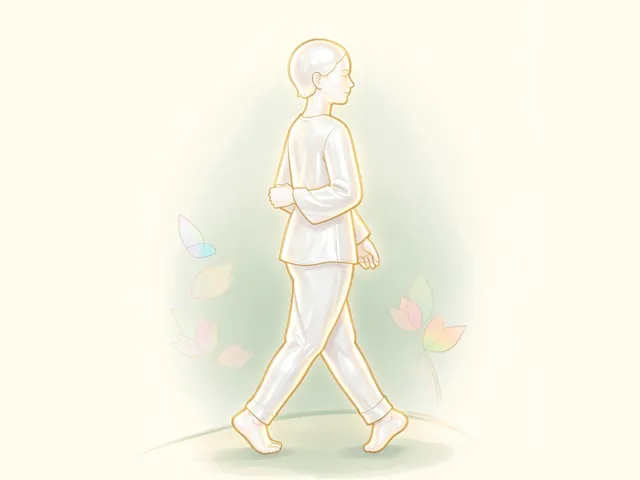
Pick one calm sense experience and rest your attention on it for a few minutes. Our Trataka (Candle Gazing) practice uses a steady flame as the anchor. Our Bee Breath (Bhramari) practice uses a soft humming sound. Our Walking Meditation (Chankramana) uses the feel of your feet on the ground. Choose the one that feels easiest. Studies suggest yoga may help with sleep, balance and mental well-being, though results differ from person to person [1].
Balance and Moderation: Echoes of the Gita
The Bhagavad Gita (a sacred Indian text) also values balance. In verses 6.16 and 6.17, it says yoga suits people who are moderate in eating, sleeping, effort and rest. This fits verse 35 well. Do not strain your eyes or force your mind. Practise for a short time and stop when you feel tired. Research notes that yoga may help build good health habits, and steady, easy practice supports that [1].
Stay Safe and Keep It Simple
Yoga has gentle styles and demanding ones, so choose what suits your body [1]. Keep sense-focus practices short, soft and comfortable. If a bright flame or loud sound bothers you, pick a gentler anchor. Yoga is a gentle way to look after your general wellness. It does not replace care from a doctor or nurse. If you have a health problem, speak to your doctor before you start. A calm daily habit, even for five minutes, is a good beginning [1].
Try it: simple steps
- Sit comfortably with your back tall and your shoulders loose.
- Choose one calm anchor, such as a candle flame, a soft hum or your footsteps.
- Rest your attention on it gently for two to five minutes.
- When your mind wanders, notice it and return to the anchor.
- Do not strain your eyes or hold your breath.
- Finish with a few slow breaths and sit quietly.
- Repeat daily for a short time, and see a doctor if you have health worries.
Questions people ask
What does Patanjali Yoga Sutra 1.35 mean?
It says that a clear, focused sense experience can help the mind become steady. The experience might be a sound, a sight or a feeling. Teachers use it as a gentle way to anchor a busy mind.
Is verse 35 the same in every chapter of the Yoga Sutras?
No. Each of the four chapters has its own verse 35. Verse 1.35 is about steadying the mind, and verse 2.35 is about ahimsa (non-harming). Most people searching this phrase mean 1.35.
How can a beginner practise this verse?
Choose one simple anchor, such as a candle flame or a soft humming sound. Rest your attention on it for a few minutes. Keep it gentle, and stop if you feel strain.
Can this verse replace medical advice?
No. Yoga is a general wellness practice that may support calm and good habits [1]. If you have a health problem, please see your doctor.
Sources
- NCCIH: Yoga - Effectiveness and Safety · U.S. National Institutes of Health
Written with AI assistance from the sources above, then checked for copied text and risky health claims. How we write
Practise it here


Related reading
This is general wellness information, not medical advice. Move slowly, never force a pose or a breath, and stop if you feel pain, dizziness or breathlessness. If you are pregnant, have high blood pressure, heart, lung or eye conditions, or recent surgery, ask your doctor before starting.