
Alternate Nostril Breathing (Nadi Shodhana)
Breathe in through one side, hold, and out through the other - a classic breath practice (pranayama) for balance and calm.
- Brings a feeling of balance and calm
- A gentle way to prepare for meditation
- Helps you slow down and focus
Follow the guide
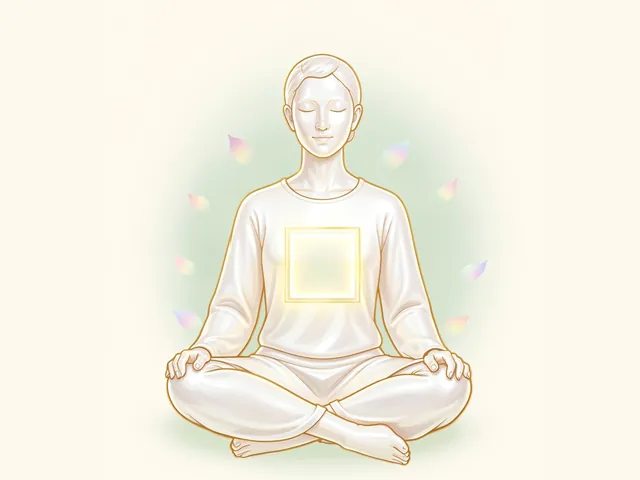
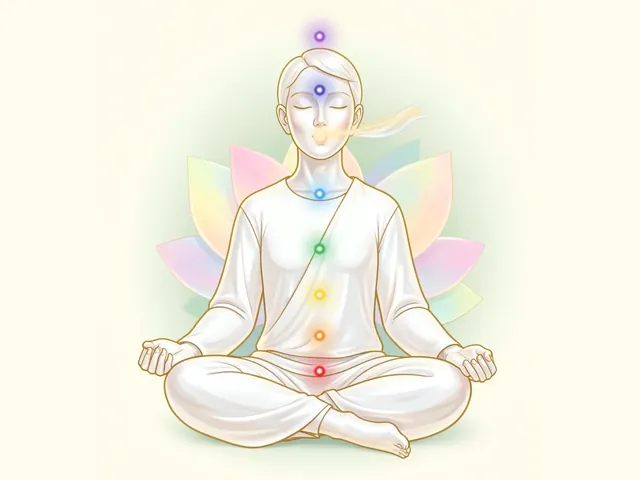
Watch the animation and breathe with it. The words tell you when to breathe in, hold and breathe out.
How to do it
- Sit comfortably with a straight spine. Rest your left hand on your knee.
- Bring your right hand up: the thumb will close the right nostril, the ring finger the left.
- Close the right nostril with your thumb. Breathe in slowly through the left.
- Close both sides and hold gently for a moment.
- Lift the thumb and breathe out through the right.
- Breathe in through the right. Close both, hold, then breathe out through the left.
- That is one round. Do 5-10 rounds, then sit quietly and breathe normally.
The Upanishad (an old Indian teaching) says to control the breath and let it out slowly through the nose. It says to steer the mind 'like a charioteer with restless horses'. Alternate nostril breathing is that same idea, step by step.
Alternate Nostril Breathing: common questions
What is Alternate Nostril Breathing?
Breathe in through one side, hold, and out through the other - a classic breath practice (pranayama) for balance and calm.
How many minutes is Alternate Nostril Breathing?
Allow about 5 minutes for Alternate Nostril Breathing as it is described on this page. The steps suggest: That is one round. Do 5-10 rounds, then sit quietly and breathe normally.
What level is Alternate Nostril Breathing?
It is marked Beginner on Prana Path. Follow the 7 steps slowly and never force it.
What should I watch out for with Alternate Nostril Breathing?
Beginners can skip the hold. Avoid it with a blocked nose or a cold, and keep every breath soft - never force. This is general information, not medical advice - ask your doctor if you have a health condition.
Where does Alternate Nostril Breathing connect to the Vedic texts?
We link it to Shvetashvatara Upanishad 2.9. The Upanishad (an old Indian teaching) says to control the breath and let it out slowly through the nose.
Try next
This is general wellness information, not medical advice. Move slowly, never force a pose or a breath, and stop if you feel pain, dizziness or breathlessness. If you are pregnant, have high blood pressure, heart, lung or eye conditions, or recent surgery, ask your doctor before starting.