 Prana Path
Yogic Dietary Consideration: A Gentle Beginner Guide

Yogic dietary consideration means eating with care, balance and calm. It is not a strict diet. It is a gentle way to choose food that helps you feel steady for daily life and yoga practice. This guide shares simple ideas for beginners.
This is general wellness information, not medical advice. Read our health disclaimer.
What Yogic Dietary Consideration Means
In yoga, food is part of your daily practice. Many people link yogic eating with fresh, simple, plant-based meals. The main idea is to notice how food makes you feel. Eat in a way that leaves you light, calm and ready to move. You do not need to follow a rule book. Start with small, kind changes.
Balance and Moderation in the Gita
The Bhagavad Gita (an ancient Indian text) talks about balance in verses 6.16 and 6.17. It says yoga is not for people who eat too much or too little. It also names sleep and effort as things to keep in balance. In plain words, aim for the middle path. This fits modern advice well. Fat, for example, is a nutrient you need in small amounts, but too much adds extra calories [1].
Choose Fibre-Rich Whole Foods
Fibre is a plant substance that your body cannot fully digest. Good sources include whole grains, nuts, seeds, fruit and vegetables [2]. Fibre helps you feel full sooner and supports digestion [2]. Add it slowly. Too much too fast can cause gas, bloating and cramps [2]. Try one extra serving of vegetables each day, then build from there.
Pick Healthier Fats
Your body needs some fat for energy and to take in vitamins [1]. Not all fats act the same way. It is wise to limit saturated fats, such as butter and lard, and trans fats found in some snacks and baked goods [1]. Olive, sesame, sunflower, safflower and canola oils are better choices to swap in [1]. Keep portions small, because fat holds twice the calories of protein or carbohydrate [1].
Eat Mindfully and Calm Your Body
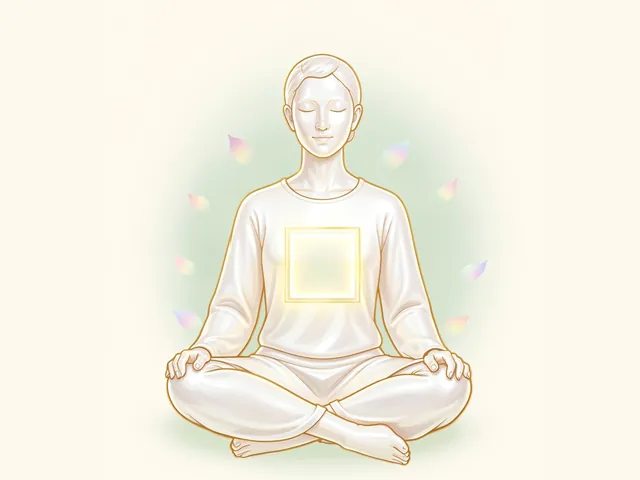
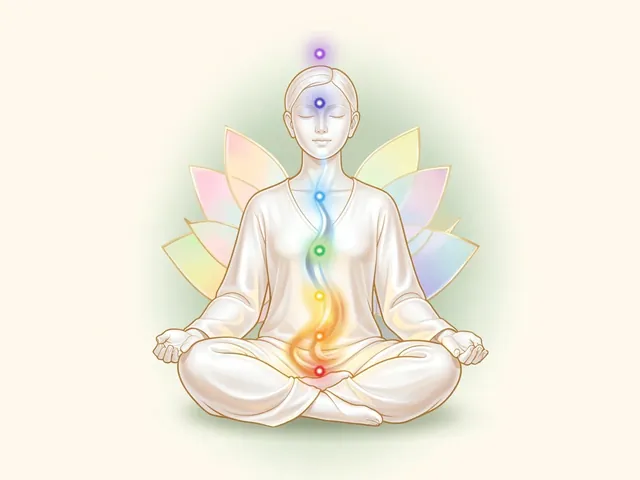
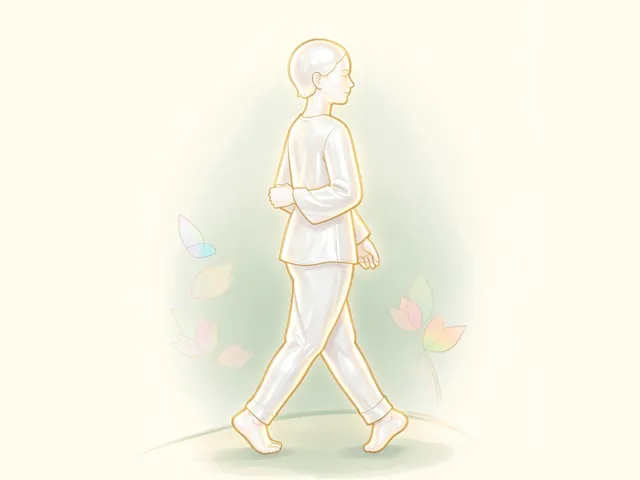
How you eat matters as much as what you eat. Sit down, eat slowly and put your phone away. A few rounds of Box Breathing (Sama Vritti) before a meal can help you slow down. Alternate Nostril Breathing (Nadi Shodhana) is another gentle choice. After eating, a short Walking Meditation (Chankramana) is a calm, easy way to move. Wait a while after a full meal before doing deep twists or Cobra Pose (Bhujangasana).
Listen to Your Own Body
Every body is different. What suits one person may not suit another. If you have a health condition, are pregnant or take medicine, talk to your doctor or a dietitian before you change how you eat. Yoga and food choices support general wellness. They do not treat or cure illness. Go slowly and stay kind to yourself.
Try it: simple steps
- Eat at regular times each day.
- Fill half your plate with vegetables and fruit.
- Choose whole grains, nuts and seeds for fibre.
- Swap butter for a small amount of olive or sesame oil.
- Add fibre slowly over a few weeks.
- Take three slow breaths before your first bite.
- Walk gently for a few minutes after your meal.
Questions people ask
What is a yogic diet?
A yogic diet is a simple, balanced way of eating. Many people choose fresh plant foods and eat with care. There is no single strict rule, so start with small changes.
Do I have to be vegetarian to practise yoga?
No. Yoga does not require one set diet. Many people who practise yoga choose plant-based meals, but you can start where you are. Talk to a doctor if you plan big changes.
Why is fibre important in a yogic diet?
Fibre helps you feel full and supports digestion [2]. Whole grains, nuts, seeds, fruit and vegetables are good sources [2]. Add them slowly to avoid gas and bloating [2].
Which fats are better to choose?
Oils such as olive, sesame, sunflower, safflower and canola are better choices than butter, lard or trans fats [1]. Use small amounts, because all fat is high in calories [1].
Sources
- MedlinePlus: Dietary Fats · U.S. National Library of Medicine
- MedlinePlus: Dietary Fiber · U.S. National Library of Medicine
Written with AI assistance from the sources above, then checked for copied text and risky health claims. How we write
Practise it here
Related reading
This is general wellness information, not medical advice. Move slowly, never force a pose or a breath, and stop if you feel pain, dizziness or breathlessness. If you are pregnant, have high blood pressure, heart, lung or eye conditions, or recent surgery, ask your doctor before starting.