 Prana Path
Stress Relief Techniques Before Bed: A Gentle Guide
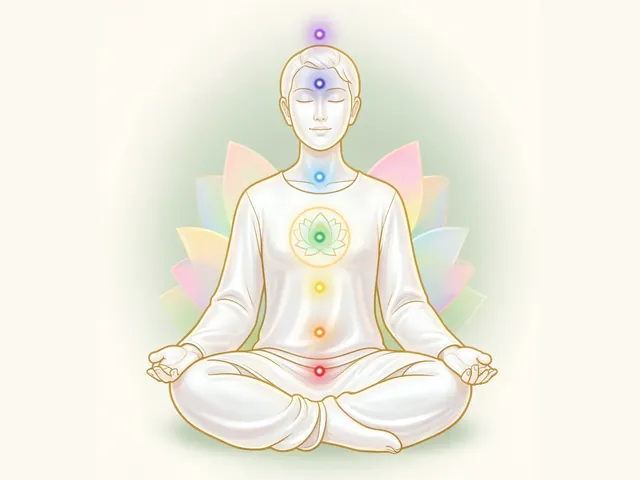
A busy day can leave your mind loud at night. Simple habits can help your body slow down before bed. This guide shares gentle ways to let go of stress each evening.
This is general wellness information, not medical advice. Read our health disclaimer.
Why stress feels louder at night
Your brain and body react this way when something hard or new comes up [2]. Your body releases hormones (chemical messengers) when you feel stressed [2]. These hormones can raise your heart rate and blood pressure [2]. A little stress for a short time can help you, but stress that goes on for months or years can hurt your health [2]. Day-to-day worries about work, school, family and money can keep stress going [2]. A calm evening routine gives your body a daily chance to ease off.
Try the relaxation response
Relaxation techniques are practices that help your body find its relaxation response [1]. This response brings slower breathing, lower blood pressure and a slower heart rate [1]. It is the opposite of the stress response [1]. Health experts list many options, such as meditation (quiet mind training), yoga, tai chi, qigong and massage [1]. You do not need all of them. Pick one that feels easy and kind, and repeat it every night.
Slow your breath
Breathing is the quickest tool you carry with you. Slower breathing is one sign of the relaxation response [1]. Try Box Breathing (Sama Vritti, or equal breath). Breathe in for four counts, hold for four, breathe out for four, and hold for four. You can also try Bee Breath (Bhramari, or humming bee breath). Breathe in, then hum softly as you breathe out. Stop if you feel dizzy, and breathe normally.
Release tension and picture a calm place
Progressive muscle relaxation means tightening a muscle gently, then letting it go [1]. Guided imagery means picturing a peaceful place in your mind [1]. Both are known relaxation techniques [1]. Start at your feet and move slowly up to your face. Or imagine a quiet beach or a green garden. Keep the pace slow and the effort light.
Add gentle movement and stillness
Yoga is one of the practices listed among relaxation techniques [1]. Keep your evening movement soft. Slow stretches, a few easy poses and a short walk can all help. Meditation is also on that list [1]. Sit or lie down, close your eyes, and notice your breath for a few minutes. If your mind wanders, simply bring it back without scolding yourself.
Find balance, the Gita way
The Bhagavad Gita (an ancient Indian text) teaches balance in verses 6.16 and 6.17. It reminds us to keep eating, sleeping, play and effort in healthy measure. In simple words, too much or too little of anything can upset the mind. Stress often grows when work and worry take over the whole day [2]. A set bedtime and a calm wind-down are small ways to practise balance. If stress stays high or sleep stays poor, please talk to your doctor.
Try it: simple steps
- Dim the lights and put your phone away.
- Sit or lie down in a comfortable place.
- Breathe in for four counts and out for four counts.
- Tighten and release your muscles from feet to face.
- Picture a quiet, peaceful place.
- Hum softly on a slow breath out.
- Keep the same routine each night.
Questions people ask
What is the fastest way to relieve stress before bed?
Slow breathing is a simple place to start. Slower breathing is part of the body's relaxation response [1]. Try a few minutes of Box Breathing and see how you feel.
Can yoga help me relax in the evening?
Yoga is listed as a relaxation practice by a U.S. health agency [1]. Choose slow, gentle poses and avoid hard exercise late at night. Stop if anything hurts.
When should I see a doctor about stress?
Long-term stress can harm your health [2]. See a doctor if stress or poor sleep lasts for weeks or affects daily life. Yoga and breathing are gentle support, not a replacement for care.
Sources
- NCCIH: Relaxation Techniques · U.S. National Institutes of Health
- MedlinePlus: Stress · U.S. National Library of Medicine
- MedlinePlus: Bed Bugs · U.S. National Library of Medicine
Written with AI assistance from the sources above, then checked for copied text and risky health claims. How we write
Practise it here
Related reading
This is general wellness information, not medical advice. Move slowly, never force a pose or a breath, and stop if you feel pain, dizziness or breathlessness. If you are pregnant, have high blood pressure, heart, lung or eye conditions, or recent surgery, ask your doctor before starting.