 Prana Path
Breathwork for Nervous System Regulation
Your breath is one of the few body signals you can change on purpose. Slow, gentle breathing may help your body feel calmer. This guide explains simple breathwork (breath practice) for beginners.
This is general wellness information, not medical advice. Read our health disclaimer.
What is the nervous system?
Your nervous system is the body's messaging network. It carries signals between your brain and the rest of your body. One part helps you act fast when you feel stress. Another part helps you rest and settle. Relaxation methods, including slow breathing, are often used to help the body unwind [1].
What does regulation mean?
Regulation means moving back to a steady, balanced state after stress. It does not mean you never feel stress. Think of it as finding your footing again. Breathwork is one gentle way to practise this. Research reviews have looked at slow breathing and at diaphragmatic breathing (belly breathing) for stress in adults [1].
Why breath can help
When you feel tense, your breathing often gets quick and shallow. When you slow it down, your body can get a signal that things are safe. Reviews have studied slow breathing and relaxation therapy for areas such as stress, sleep, anxiety and pain [1]. Results vary from person to person. Breathwork is not a cure or a treatment for any condition.
Gentle practices to try
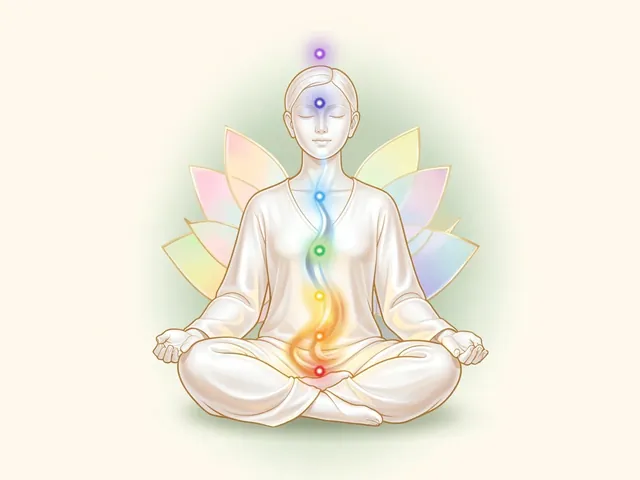
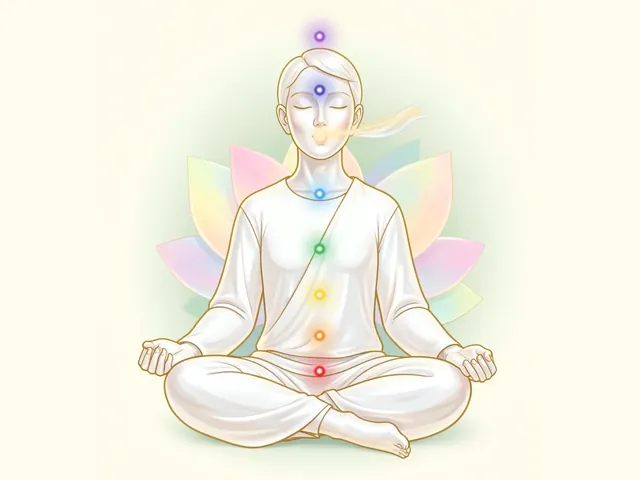
Start with Box Breathing (Sama Vritti), which means equal breathing. You breathe in, pause, breathe out and pause for the same count. Next, try Alternate Nostril Breathing (Nadi Shodhana), a calm practice where you breathe through one nostril at a time. Bee Breath (Bhramari) uses a soft humming sound on the out-breath. Many people find the hum easy to follow. Keep every breath soft and never force it.
A simple daily routine
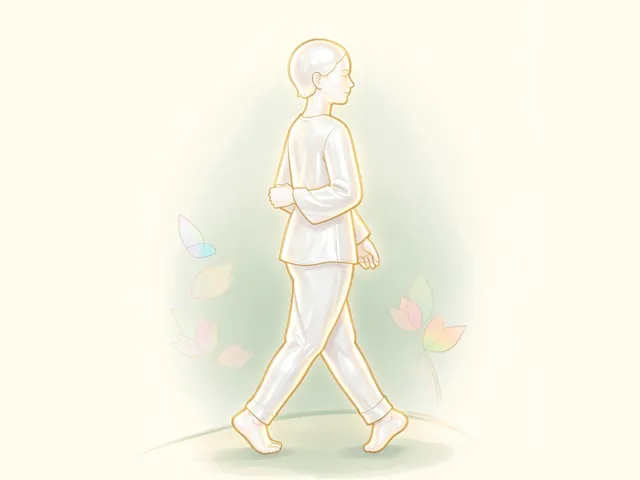
Choose a quiet time, such as morning or before bed. Sit or lie down in a comfortable spot. Practise for two to five minutes at first. You can follow breathwork with Walking Meditation (Chankramana) to carry the calm into your day. Small, regular practice often feels easier than long sessions. Relaxation methods are usually practised often to build the habit [1].
Balance and care
The Bhagavad Gita (an ancient Indian text) teaches balance in eating, sleeping, effort and rest (Gita 6.16-17). The same idea fits breathwork. Do a little, stay relaxed, and avoid pushing too hard. Stop if you feel dizzy, anxious or short of breath, and breathe normally. If you have a heart, lung or mental health condition, talk to your doctor before you start. Slow breathing has even been studied in relation to blood pressure, so a doctor can guide you if this applies to you [1].
Try it: simple steps
- Sit or lie down in a comfortable place.
- Relax your shoulders and soften your jaw.
- Breathe in slowly through your nose for a count of four.
- Pause gently for a count of four.
- Breathe out slowly for a count of four.
- Pause again for a count of four.
- Repeat for two to five minutes, then breathe normally.
Questions people ask
What is breathwork for nervous system regulation?
It means using slow, mindful breathing to help your body feel calmer and more balanced. It is a gentle self-care habit. It does not replace medical care.
How long should I practise each day?
Two to five minutes is a good start for beginners. You can add time slowly if it feels comfortable. Regular short sessions often feel easier to keep up.
Is breathwork safe for everyone?
Gentle breathing is safe for many people, but not all. Stop if you feel dizzy or unwell. Ask your doctor first if you have a heart, lung or mental health condition.
Sources
- NCCIH: Relaxation Techniques · U.S. National Institutes of Health
Written with AI assistance from the sources above, then checked for copied text and risky health claims. How we write
Practise it here
Related reading
This is general wellness information, not medical advice. Move slowly, never force a pose or a breath, and stop if you feel pain, dizziness or breathlessness. If you are pregnant, have high blood pressure, heart, lung or eye conditions, or recent surgery, ask your doctor before starting.