 Prana Path
How to Do Pranayama When Nose Is Blocked
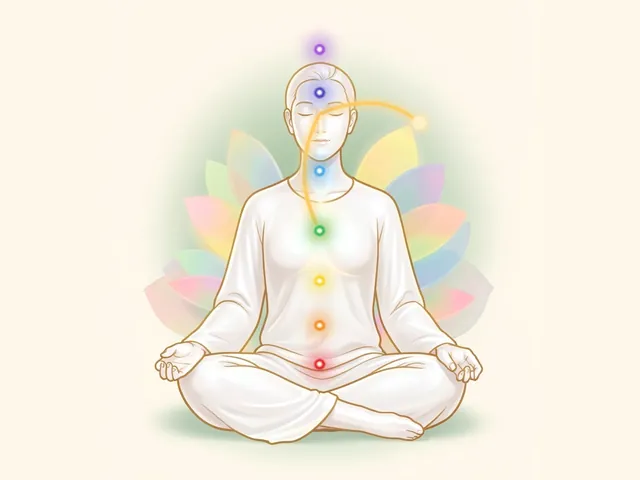
A blocked nose can make breath practice feel hard. You do not have to force it. This guide shows gentle ways to practise pranayama (yoga breath practice) when your nose feels stuffy, and when it is wiser to rest.
This is general wellness information, not medical advice. Read our health disclaimer.
Should you practise pranayama with a blocked nose?
Often, the kind answer is to go gently or to wait. Pranayama (breath practice) should never feel like a struggle. If breathing feels tight or tiring, stop and rest. Forcing the breath does not match the calm spirit of yoga. Some people find that quiet, easy breathing helps them relax, and relaxation skills are well studied [1]. Choose the softest option on the day.
Skip strong breath practices for now
Some practices need a clear nose on both sides. Alternate Nostril Breathing (Nadi Shodhana) closes one nostril at a time, so it can feel hard when you are stuffy. Fast or forceful breathing can also feel uncomfortable. Put these aside until your nose feels open again. Relaxation training works best when it feels comfortable and is practised step by step [1]. There is no rush.
Gentle options that still help you relax
You can still practise without pushing. Sit comfortably and let your breath move in its own way, through the nose or the mouth. Try Bee Breath (Bhramari), with a soft hum on the out-breath, only if it feels easy. Keep the hum quiet. Studies describe relaxation as a skill people can learn and bring on with a cue of their own, such as a calming word [1]. Pick a word like "soft" and repeat it in your mind.
Try Box Breathing in a relaxed way
Box Breathing (Sama Vritti) uses equal counts for each part of the breath. With a blocked nose, keep the counts short, such as two or three. Breathe gently in through whichever way is comfortable. Skip long holds. If you feel dizzy or strained, return to normal breathing. Learning to relax on cue is a recognised idea in relaxation training, and a steady count can act as that cue [1].
Other calming ways to practise while you rest
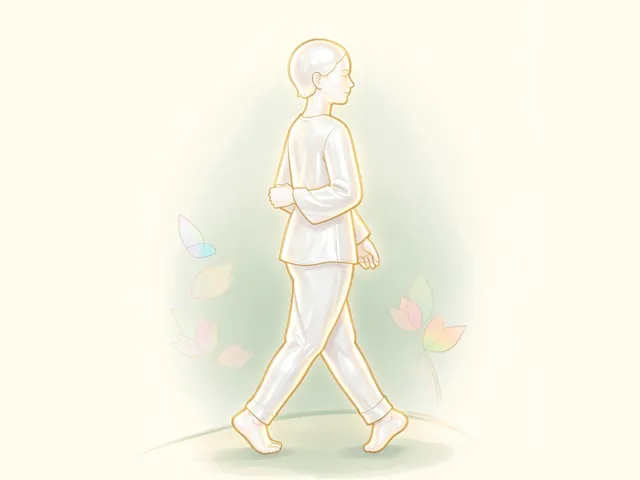
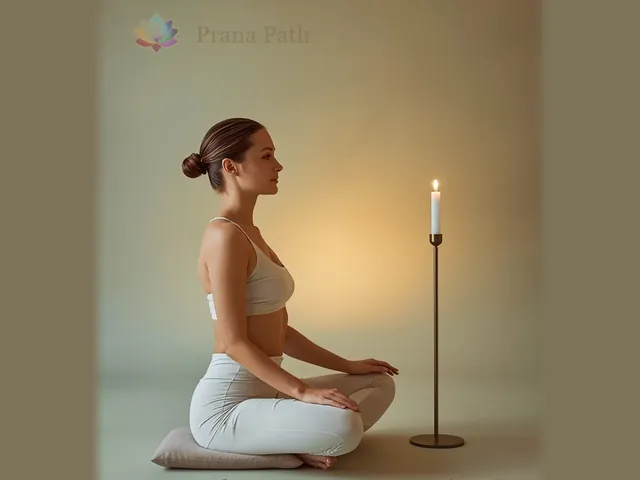
If breathing work feels like too much, try something quieter. Walking Meditation (Chankramana) is a slow walk with your attention on each step. Trataka (Candle Gazing) rests your eyes on a flame while the breath stays natural. Both ask nothing of your nose. Relaxation methods come in many forms, and people can choose the one that suits them [1]. Gentle rest is also part of the practice.
Balance, kindness and when to see a doctor
The Bhagavad Gita (6.16-17) speaks of balance. It teaches that yoga suits those who are moderate in eating, resting, effort and sleep. A blocked nose is a good time to practise that idea. Do less, and do it kindly. Relaxation practice is a support and not a treatment [1]. If your nose stays blocked for many days, or breathing feels hard, please see a doctor.
Try it: simple steps
- Sit or lie down in a comfortable, supported position.
- Let your shoulders drop and relax your jaw.
- Breathe in a natural, easy way, through the nose or the mouth.
- Pick a calming word, such as soft, and repeat it quietly in your mind.
- If it feels easy, try a short Box Breathing count of two or three.
- Stop at once if you feel dizzy, tight or tired.
- Finish with a minute of quiet rest and normal breathing.
Questions people ask
Can I do alternate nostril breathing with a blocked nose?
It is best to wait. Alternate Nostril Breathing (Nadi Shodhana) needs both nostrils to feel open. Try easy, natural breathing or a calm meditation until your nose clears.
Can I breathe through my mouth during pranayama?
For a gentle, relaxing session, easy breathing through the mouth is fine when your nose is blocked. Keep the breath soft and slow. Stop if it feels uncomfortable.
Will pranayama cure a blocked nose?
No. Yoga breathing is not a cure for any illness. It may help you feel calmer while you rest [1]. See a doctor if the problem lasts or worries you.
What can I do instead of pranayama when I am stuffy?
Try Walking Meditation (Chankramana) or Trataka (Candle Gazing). Both are calm practices that do not depend on how clear your nose feels. Rest is also a good choice.
Sources
- NCCIH: Relaxation Techniques · U.S. National Institutes of Health
Written with AI assistance from the sources above, then checked for copied text and risky health claims. How we write
Practise it here
Related reading
This is general wellness information, not medical advice. Move slowly, never force a pose or a breath, and stop if you feel pain, dizziness or breathlessness. If you are pregnant, have high blood pressure, heart, lung or eye conditions, or recent surgery, ask your doctor before starting.