 Prana Path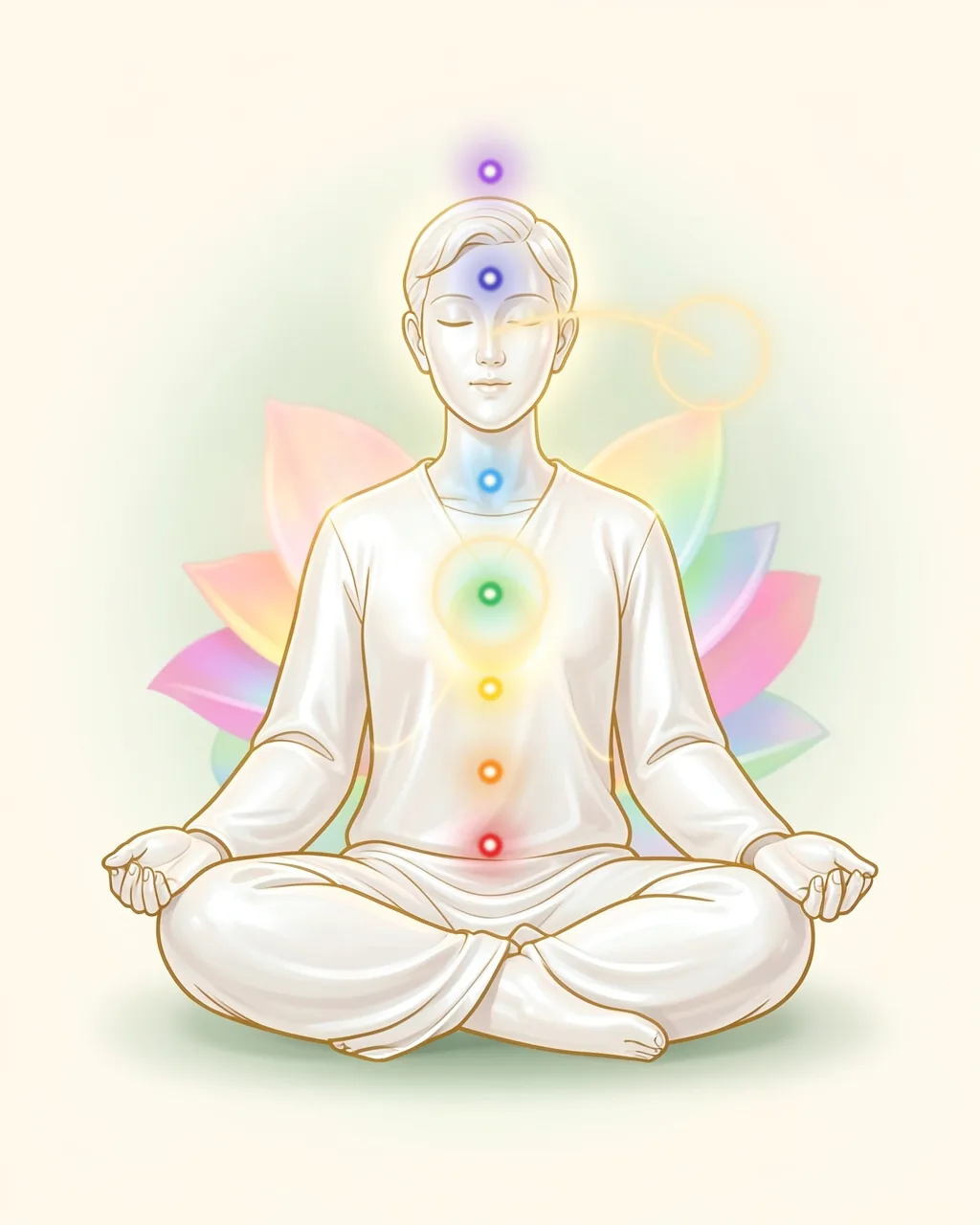
Resting in the Two Spaces of the Breath
maruto 'ntar bahir vāpi viyadyugmānivartanāt |
bhairavyā bhairavasyettham bhairavi vyajyate vapuḥ || 25 ||
The breath may have gone in, or it may have gone out. When it does not hurry back from those two spaces, then, O Bhairavi, the true form of Bhairava shows itself.
What the verse points to
Bhairava is a name for Shiva, the deity, here meaning pure awareness. Bhairavi is the goddess he is speaking to. Verse 25 builds on the first method. After the in-breath there is a little 'space' inside. After the out-breath there is a little 'space' outside. The Sanskrit word viyat means sky or open space. The verse suggests not rushing out of those spaces. Let the breath rest there for a natural moment, and notice the openness itself.
Breathe along
Breathe in 4 · Rest inside 2 · Breathe out 5 · Rest outside 3 (seconds) - repeat. Counts are a guide; go slower or shorter if you need to.
How to practise
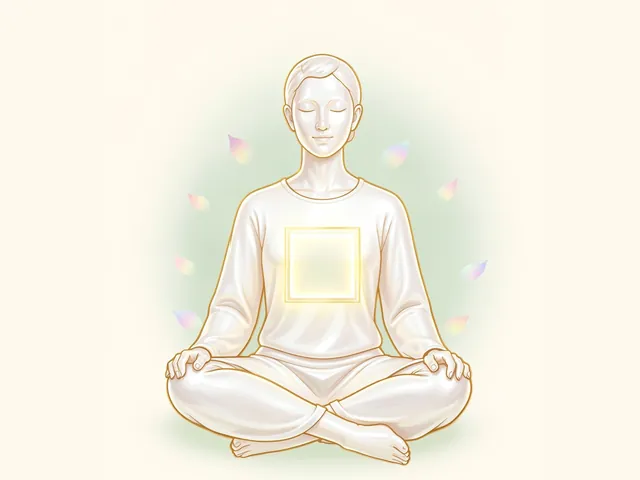
Sit in any way that is comfortable. You can sit cross-legged on a cushion, or upright on a chair with your feet on the floor. The person in the picture sits in lotus pose, with each foot resting on the opposite thigh. You do not need to sit that way.
- Sit upright and comfortable, shoulders relaxed, eyes closed or softly lowered.
- Take a few easy breaths through the nose to settle.
- Breathe in for about 4 counts. At the top, let the breath rest for a comfortable moment, about 2 counts. Do not squeeze or lock your throat.
- Breathe out slowly for about 5 counts. At the bottom, rest for about 3 counts, as long as it stays easy.
- During each rest, notice the feeling of open space. Feel it inside the chest after the in-breath, and around you after the out-breath.
- Continue for 5 minutes. If you feel any strain, shorten or drop the rests and just breathe naturally.
What you may notice
- The rest after the out-breath often feels the most peaceful.
- A sense of spaciousness inside or around the body.
- Less urge to 'do' anything for a few moments.
Tips
- The rests should feel like a pause in a conversation, not like holding your breath underwater.
- If you feel any hunger for air, the rest is too long - shorten it.
- Try it at a quiet time, such as early morning or before sleep.
Source: Vijñānabhairava, verse 25. Sanskrit from Vijñānabhairava, Sanskrit e-text (GRETIL, input by Marino Faliero, 1998). English rendering and practice notes by Prana Path. About the text
More methods from the series
Sometimes the energy that moves as breath neither goes out nor comes in. Then the centre opens like a flower, free of thought. In that middle, your…
The breath may be held, emptied out or filled in. At the end of each, the one called 'Peace' shines out through that power, and you become…
Picture this energy rising from the root of the body like a ray of light. It grows finer and finer. At the point beyond the head, it quietens and…
Related practices
Related reading
This is general wellness information, not medical advice. Move slowly, never force a pose or a breath, and stop if you feel pain, dizziness or breathlessness. If you are pregnant, have high blood pressure, heart, lung or eye conditions, or recent surgery, ask your doctor before starting.