 Prana Path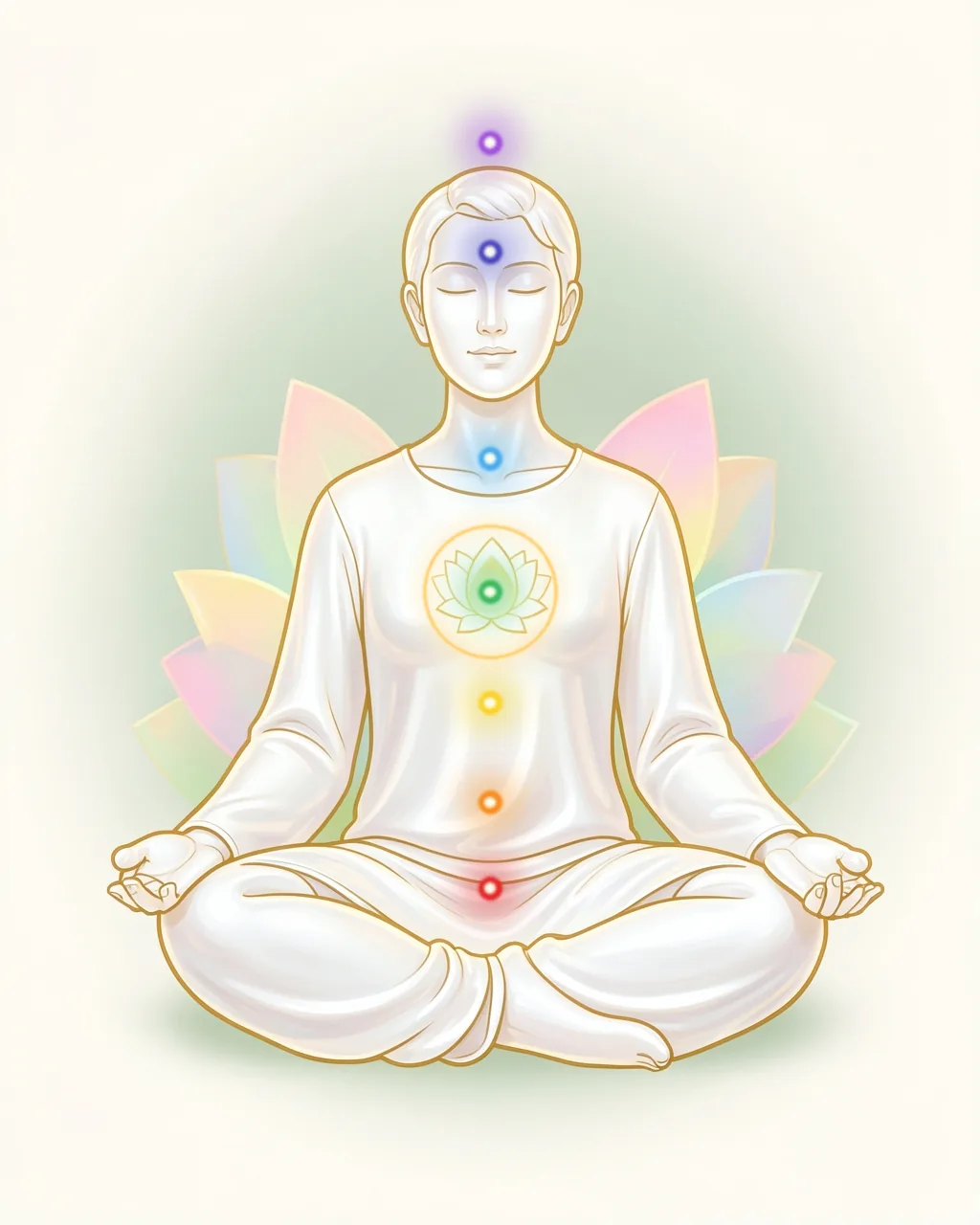
Stillness in the Middle of the Breath
na vrajen na viśec chaktir marudrūpā vikāsite |
nirvikalpatayā madhye tayā bhairavarūpatā || 26 ||
Sometimes the energy that moves as breath neither goes out nor comes in. Then the centre opens like a flower, free of thought. In that middle, your own true nature is found.
What the verse points to
Here the focus is the 'middle' (madhya). This is the still point when the breath is neither leaving nor entering. The word vikāsite suggests something opening or blossoming. The verse links this stillness with a mind free of busy thinking (nirvikalpa). Do not force the breath to stop. Instead, notice the natural quiet that comes when breathing becomes slow and soft.
Breathe along
Breathe in 4 · Still 3 · Breathe out 4 · Still 3 (seconds) - repeat. Counts are a guide; go slower or shorter if you need to.
How to practise
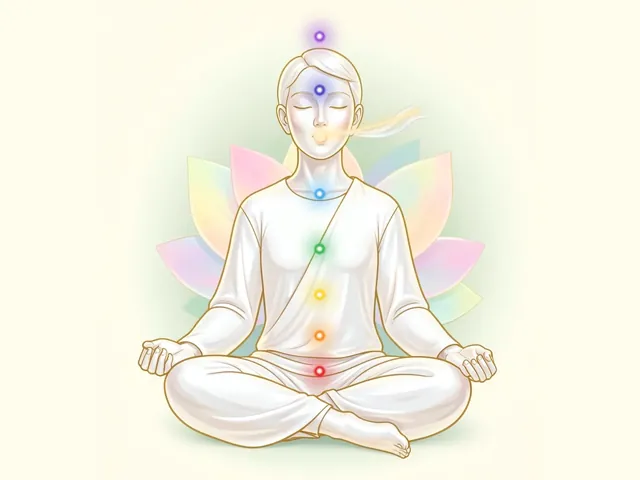
Sit in any way that is comfortable. You can sit cross-legged on a cushion, or upright on a chair with your feet on the floor. The person in the picture sits in lotus pose, with each foot resting on the opposite thigh. You do not need to sit that way.
- Sit comfortably and close your eyes. Let your hands rest, palms up or down.
- Breathe slowly through your nose. Let each breath become a little softer and quieter than the last.
- Rest your attention at the centre of your chest, as if watching a lotus bud there.
- Breathe in for about 4 counts, then have a soft still moment. Breathe out for about 4 counts, then another soft still moment.
- In the still moments, do nothing at all. Just feel the centre.
- Practise for 5 to 7 minutes, then breathe naturally for a minute before you get up.
What you may notice
- The breath becoming very light, almost unnoticeable.
- A gentle warmth or openness in the chest.
- Short gaps between thoughts.
Tips
- Softness is the key. A forced stop tightens the body and works against the method.
- If you lose track of the counts, let them go. The stillness is what matters.
- If your mind is very busy, try a few rounds of Bee Breath first.
Source: Vijñānabhairava, verse 26. Sanskrit from Vijñānabhairava, Sanskrit e-text (GRETIL, input by Marino Faliero, 1998). English rendering and practice notes by Prana Path. About the text
More methods from the series
The breath may be held, emptied out or filled in. At the end of each, the one called 'Peace' shines out through that power, and you become…
Picture this energy rising from the root of the body like a ray of light. It grows finer and finer. At the point beyond the head, it quietens and…
Focus on the energy, sometimes full and sometimes faint, in the field of the 'twelve'. Then enter the heart and meditate there. Set free, you gain…
Related practices
Related reading
This is general wellness information, not medical advice. Move slowly, never force a pose or a breath, and stop if you feel pain, dizziness or breathlessness. If you are pregnant, have high blood pressure, heart, lung or eye conditions, or recent surgery, ask your doctor before starting.