 Prana Path
Vigyan Bhairava Tantra: the 112 Meditation Methods
The Vigyan Bhairava Tantra (in Sanskrit, Vijñānabhairava) is a short, old meditation text from Kashmir. A Tantra is one of a family of Indian spiritual texts and practices. In this text, the goddess Bhairavi asks Bhairava what reality truly is. Bhairava is a name for Shiva, the deity, here meaning pure awareness. He does not answer with a long theory. Instead, he lists simple ways to experience reality directly. Tradition counts 112 of these ways. They are often called dharanas (methods of focusing). We are starting with ten that use the breath.
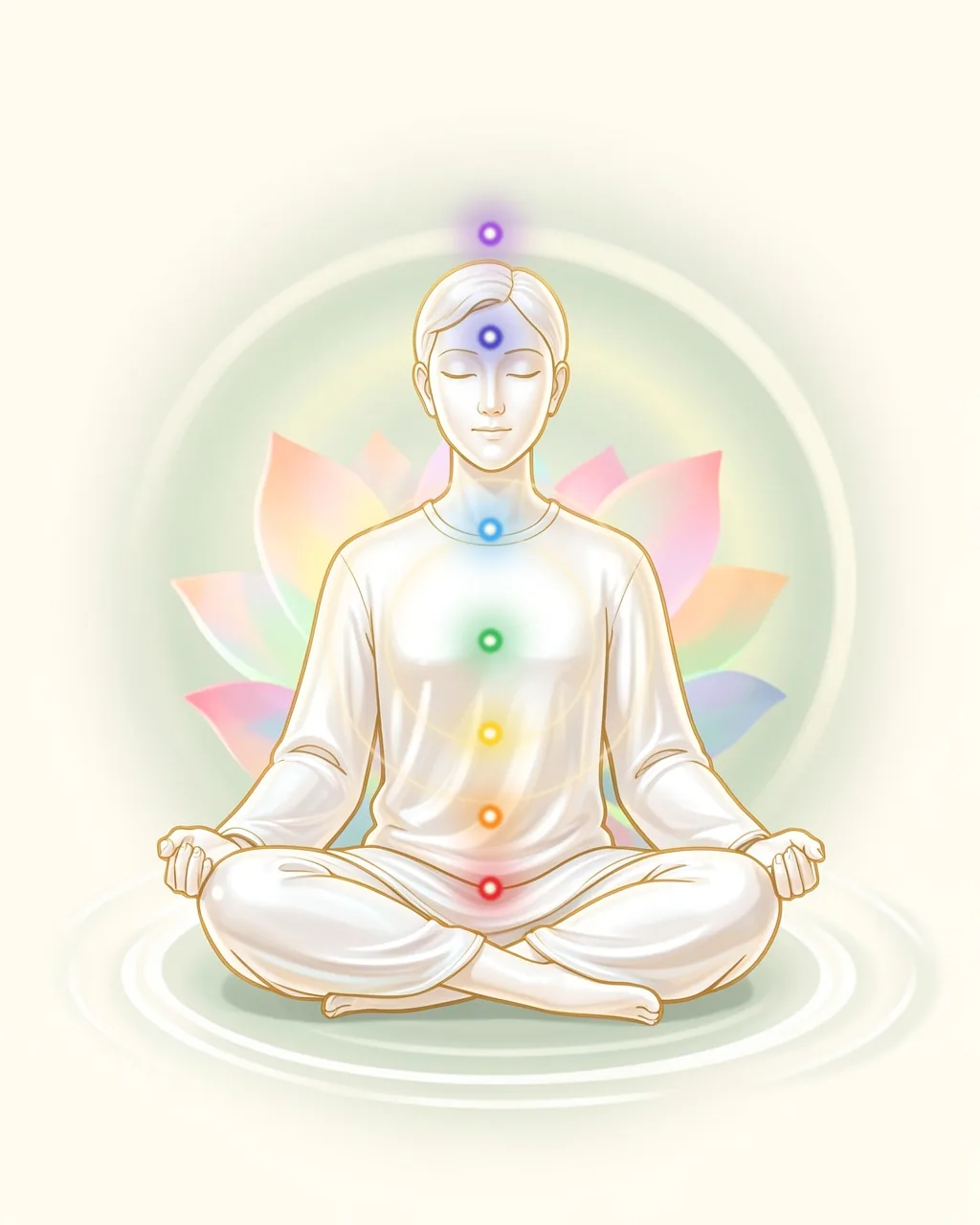
Breath methods (1-10)
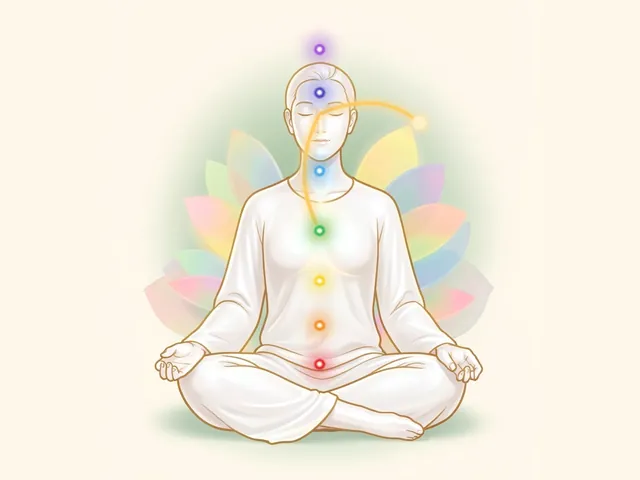
The breath moves up and out. The breath moves down and in. In this flow, the supreme power (the divine energy behind all life) breathes itself out.…
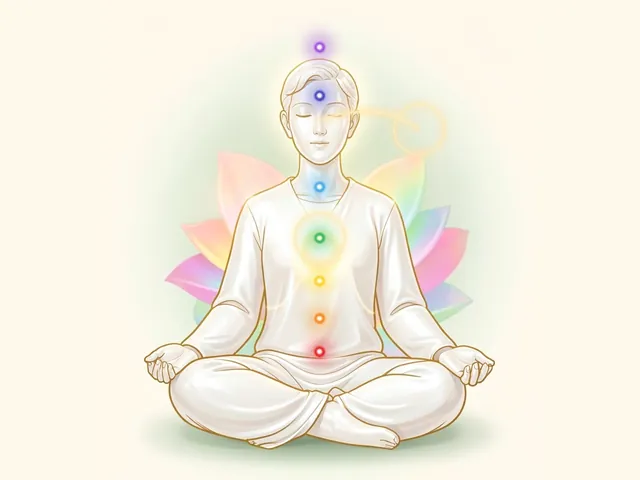
The breath may have gone in, or it may have gone out. When it does not hurry back from those two spaces, then, O Bhairavi, the true form of Bhairava…
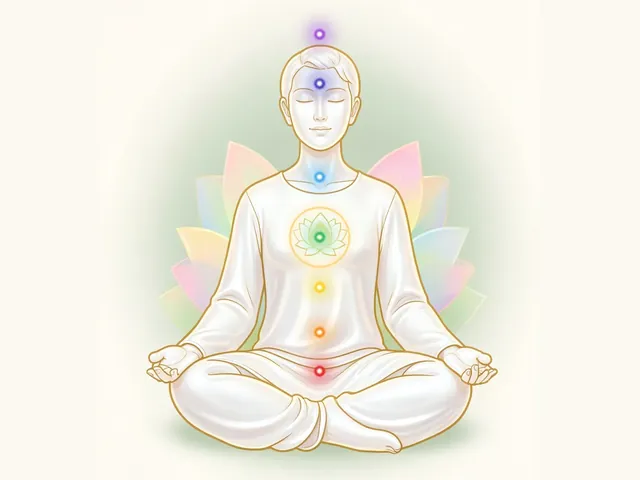
Sometimes the energy that moves as breath neither goes out nor comes in. Then the centre opens like a flower, free of thought. In that middle, your…
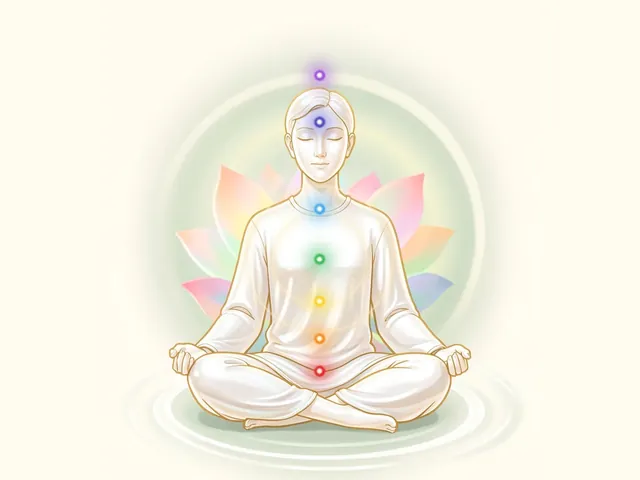
The breath may be held, emptied out or filled in. At the end of each, the one called 'Peace' shines out through that power, and you become…
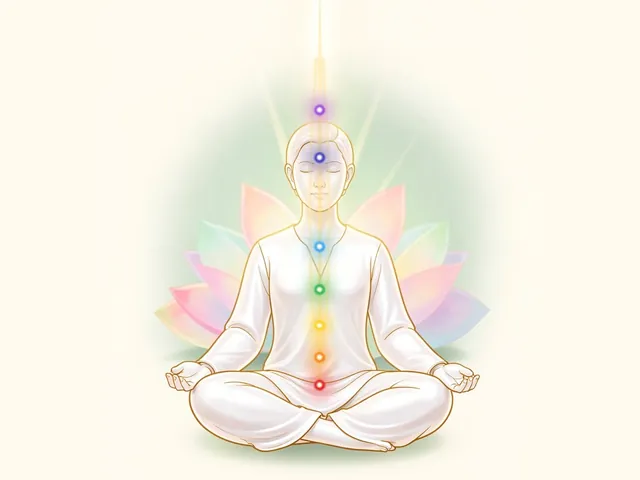
Picture this energy rising from the root of the body like a ray of light. It grows finer and finer. At the point beyond the head, it quietens and…
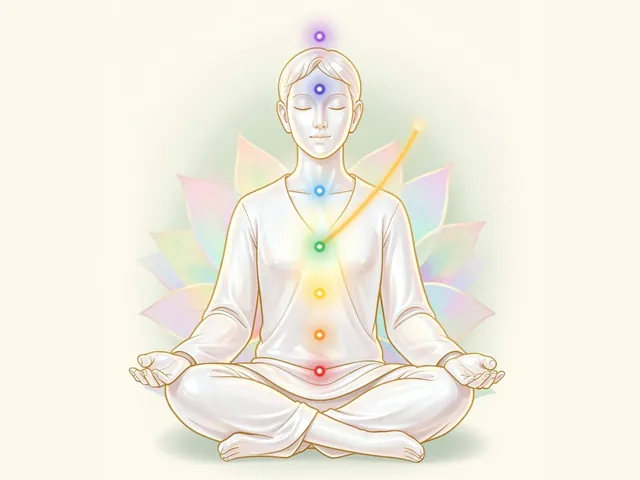
Focus on the energy, sometimes full and sometimes faint, in the field of the 'twelve'. Then enter the heart and meditate there. Set free, you gain…
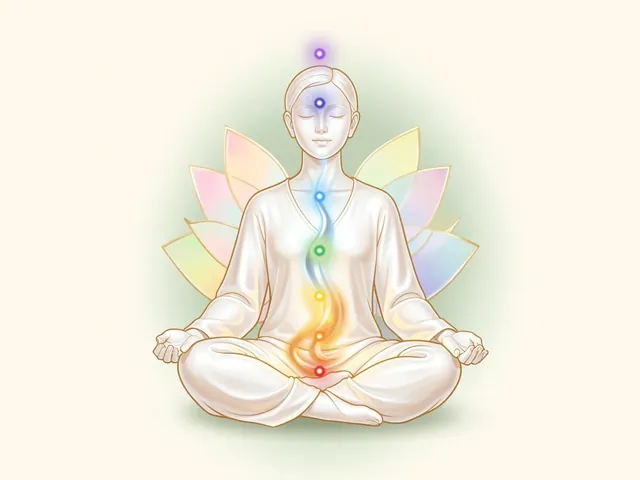
The two currents of breath meet, inside or outside. Where they meet, at their very end, the meditator becomes ready. Then the knowledge of evenness…
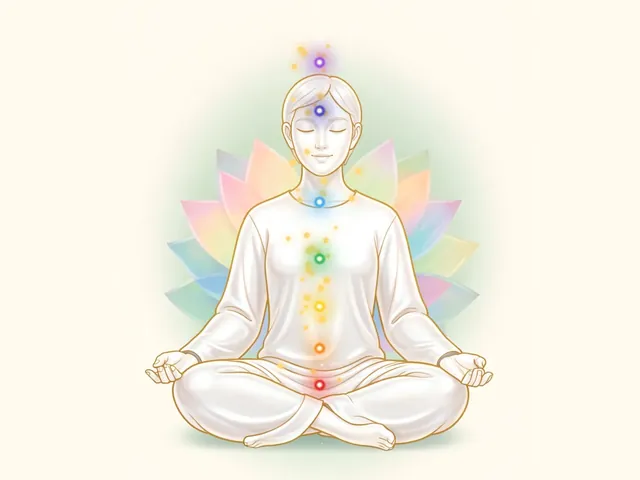
Gently close all the streams of the senses. Let the breath-energy rise slowly upward. When you feel a light touch, like an ant crawling, the highest…
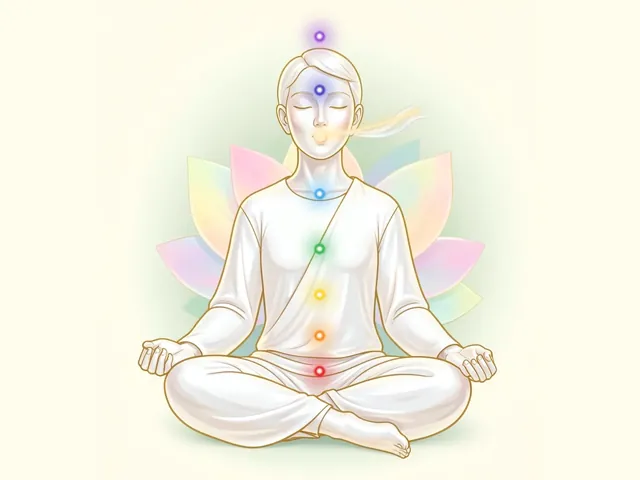
Rest the tongue in the middle and open the mouth. Place your awareness in that middle space. Silently sound 'ha' in your mind. Then you dissolve into…
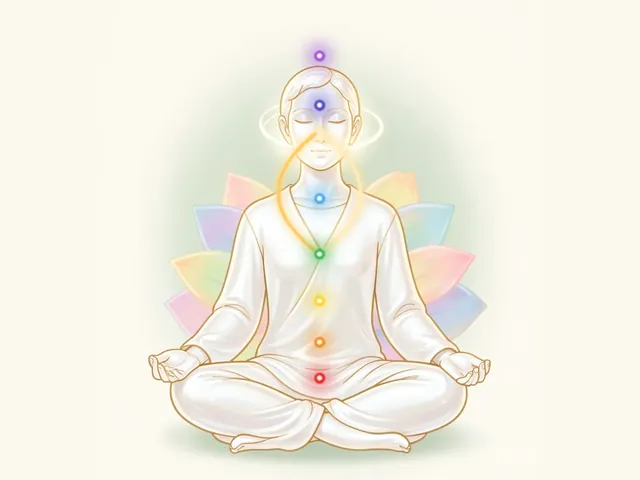
The breath goes out and the breath comes in, by its own will. This flow is the great Goddess herself, the highest field. Walking along with her and…
More of the 112 methods will be added over time. Verse numbers follow the GRETIL Sanskrit e-text.
Vigyan Bhairava Tantra: common questions
What is the Vigyan Bhairava Tantra?
It is a short Sanskrit meditation text from Kashmir Shaivism (a school of Indian philosophy from Kashmir). It is written as a dialogue between Bhairava (Shiva) and Bhairavi (the goddess). It lists 112 simple ways to turn your attention inward. Many of them use the breath.
Are the 112 methods safe for beginners?
The breath methods on this site are gentle versions. They use natural breathing, short soft pauses and no forceful holds. Ask your doctor first if you are pregnant, or have a heart condition, high blood pressure or epilepsy. Do the same if you have had recent surgery or a mental-health crisis. Stop if you feel dizzy.
Which translation do you use?
None. We read each Sanskrit verse from the public GRETIL e-text. Then we write our own plain-English version. Verse numbers follow that edition. Other books may number the methods slightly differently.
How long should I practise each method?
Five minutes is a good start. Try one method for a few days before moving on. Choose the ones that feel calm and easy for you.
Related reading
This is general wellness information, not medical advice. Move slowly, never force a pose or a breath, and stop if you feel pain, dizziness or breathlessness. If you are pregnant, have high blood pressure, heart, lung or eye conditions, or recent surgery, ask your doctor before starting.