 Prana Path
Mindfulness for Children: A Gentle Guide for Parents

Mindfulness for children means helping a child notice the present moment with calm, kind attention. It is a simple skill that parents and teachers can share at home. This guide uses easy words and short practices, and it does not replace advice from a doctor.
This is general wellness information, not medical advice. Read our health disclaimer.
What is mindfulness for children?
Mindfulness means keeping your attention on the present moment without judging it [1]. A child might notice a sound, a breath or the feel of their feet on the floor. Thoughts may come and go, and that is fine. The idea has roots in old Buddhist traditions, and yoga teachers often use it too [2]. For a child, it can feel like a quiet game of noticing.
Is mindfulness safe for kids?
Mindfulness and meditation are usually seen as having few risks [1]. In one review of three studies, mindfulness programs were not more harmful than getting no treatment [1]. Still, every child is different. Keep sessions short and never force a child to sit still. If your child feels worried or upset for a long time, please talk to a doctor or a school counsellor.
Why parents try it
Mindfulness is becoming more common with young people. In 2017, about 5.4 percent of U.S. children aged 4 to 17 used meditation [1]. In a survey of adults who practiced mindfulness, most said they did it to relax or ease stress [1]. Many families see it as a gentle habit for general wellness. It is not a cure for any problem, and it cannot promise results.
Easy breathing practices to try
Breathing is the easiest place to start, because children always carry it with them. Try Box Breathing (Sama Vritti), where you breathe in, pause, breathe out and pause for the same count. Or hum like a bee with Bee Breath (Bhramari). Kids often enjoy the buzzing sound. Paying attention to the breath is one simple way to practise staying in the present moment [1]. Stop if your child feels dizzy or uncomfortable.
Moving and walking mindfully
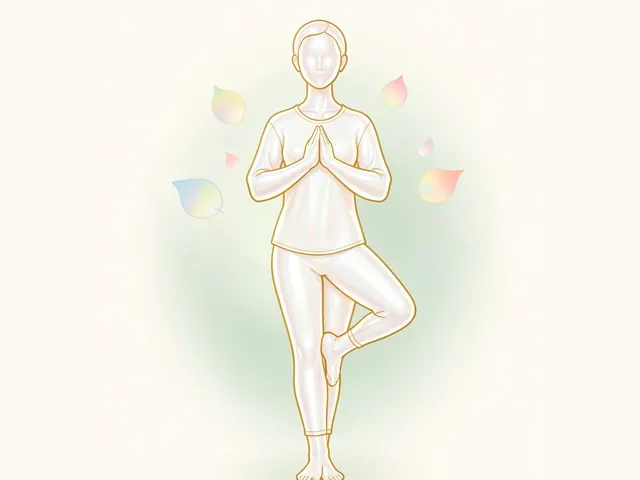
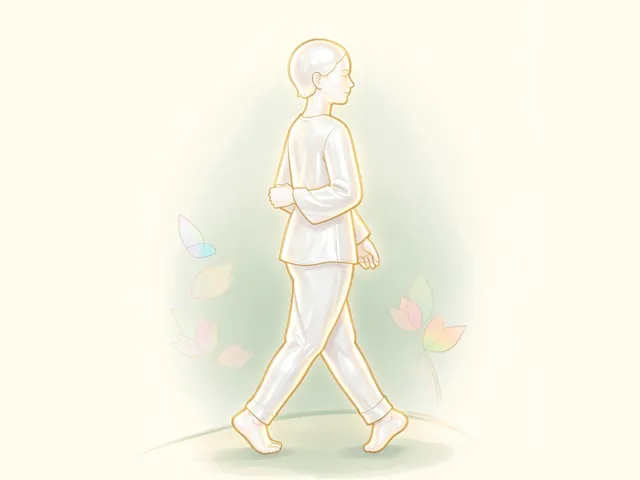
Some children find it hard to sit still, and that is normal. Moving can be a friendly way into mindfulness [1]. Try Tree Pose (Vrikshasana), and ask your child to notice how their body wobbles and settles. You can also try Walking Meditation (Chankramana), where each slow step becomes the thing to notice. Keep it playful and relaxed, and leave out any pressure to do it right.
Balance and gentle habits
The Bhagavad Gita teaches balance in daily life, such as not too much and not too little in eating, sleep and effort (Gita 6.16-17). This fits children well. A few calm minutes each day is enough. Praise their effort, not how well they do. Practise together, since children learn a lot by watching you. Mindfulness works best as one small, kind part of a healthy routine [1].
Try it: simple steps
- Pick a quiet time, such as after school or before bed.
- Sit or lie down in a comfortable place with your child.
- Ask your child to notice three slow breaths.
- Invite them to name one sound they can hear.
- Try one short practice, such as Bee Breath (Bhramari).
- Stop after two to five minutes, or sooner if they lose interest.
- Smile and thank your child for trying.
Questions people ask
What age can children start mindfulness?
There is no fixed age. Data on meditation use in children covers ages 4 to 17 [1]. Younger children do best with very short, playful practices led by an adult. Follow your child's mood and stop when they are done.
How long should a child practise mindfulness?
Start with just a few minutes. Short and happy sessions work better than long ones [1]. You can slowly add time if your child enjoys it. There is no need to push.
Can mindfulness treat anxiety or ADHD in children?
We do not make that claim. Mindfulness is a general wellness habit and not a treatment [1]. If you worry about your child's health or behaviour, please see a doctor.
What if my child cannot sit still?
That is very common. Try moving practices like Tree Pose (Vrikshasana) or Walking Meditation (Chankramana). Mindfulness simply means paying attention to the present moment, and this can happen while moving too [1].
Sources
- NCCIH: Meditation and Mindfulness - Effectiveness and Safety · U.S. National Institutes of Health
- Wikipedia: Mindfulness · Wikipedia (background only)
Written with AI assistance from the sources above, then checked for copied text and risky health claims. How we write
Practise it here


Related reading
This is general wellness information, not medical advice. Move slowly, never force a pose or a breath, and stop if you feel pain, dizziness or breathlessness. If you are pregnant, have high blood pressure, heart, lung or eye conditions, or recent surgery, ask your doctor before starting.