 Prana Path
Mantra Meditation Kaise Kare: Simple Steps
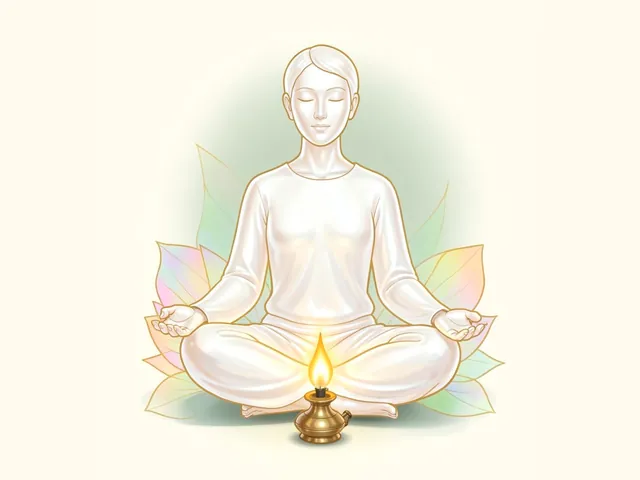
Many people ask, mantra meditation kaise kare (how to do mantra meditation). It is a simple practice. You sit quietly and repeat one word or phrase. This guide shows you how to start, step by step.
This is general wellness information, not medical advice. Read our health disclaimer.
What Is Mantra Meditation?
A mantra (a word or phrase you repeat) gives your mind one thing to hold on to. In Indian tradition, repeating a mantra is called japa (quiet repetition). Meditation has a very long history, and many methods began in Eastern traditions [1]. Some methods focus on a sound, a picture or the breath. Using a mantra is one of them [1]. People use these practices to calm the mind and feel more well [1].
How to Choose Your Mantra
Pick a word that feels kind and easy to say. Many beginners like Om (a simple, deep sound used in yoga). Others like So Hum (meaning I am) or a calm English word such as peace. Short is better than long. Keep the same mantra for a few weeks so it feels familiar. Mantra meditation is one way to hold your attention on one thing [1]. If a tradition or teacher is dear to you, you may ask them for guidance.
Mantra Meditation Kaise Kare: Step by Step
Find a quiet place and sit with a tall, easy back. Close your eyes and take a few slow breaths. Start your mantra softly, in your mind or in a whisper. Say it at an even pace, like gentle waves. Begin with five minutes. Meditation aims to join the mind and body in a calm way [1]. Add a minute or two each week if it feels good.
What to Do When Your Mind Wanders
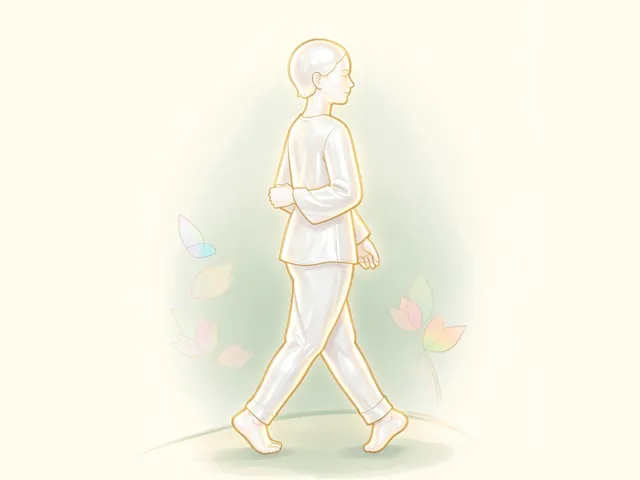
Your mind will wander. This is normal, so do not feel bad. Notice the thought, then gently come back to your mantra. This is a small form of mindfulness (staying aware of the present moment without judging) [1]. You can also try Box Breathing (Sama Vritti) before you begin. Slow, even breaths help many people settle down first. Walking Meditation (Chankramana) is another gentle choice if sitting feels hard.
Staying Safe and Keeping Balance
Meditation is usually seen as low in risk [1]. Still, a review of 83 studies found that about 8 percent of people had a bad experience. That is close to the rate seen with talk therapies [1]. If a practice upsets you, stop and rest. Talk to a doctor or a trusted teacher if the feeling stays. The Bhagavad Gita (6.16-17) teaches balance. It says to avoid too much or too little food, sleep and effort. Keep your practice short, steady and kind.
Make It a Daily Habit
Practise at the same time each day, such as after you wake up. A habit is easier to keep when it has a set place and time. Meditation has become much more popular. In a US survey, the share of adults who meditate more than doubled from 2002 to 2022 [1]. You are in good company. Keep a short note of how you feel after each session. Be patient and let the practice grow slowly.
Try it: simple steps
- Sit in a quiet place with a tall, relaxed back.
- Close your eyes and take three slow breaths.
- Choose one short mantra, such as Om.
- Repeat it softly in your mind or in a whisper.
- When your mind wanders, gently return to the mantra.
- Sit for five minutes at first.
- Finish with a few quiet breaths before you open your eyes.
Questions people ask
Mantra meditation kaise kare for beginners?
Sit quietly and pick one short mantra, such as Om. Repeat it gently for about five minutes. When your mind drifts, calmly return to the word [1].
How long should I do mantra meditation?
Start with five minutes a day. Add a little time each week if it feels comfortable. Short and steady practice is better than one long, tiring session.
Do I need a guru to start?
No. A simple mantra is enough to begin. A teacher can help later if you want to go deeper. Choose someone you trust.
Is mantra meditation safe?
It is usually seen as low in risk, but some people do have bad experiences [1]. Stop if you feel upset. See a doctor or trusted teacher if the feeling does not pass.
Sources
- NCCIH: Meditation and Mindfulness - Effectiveness and Safety · U.S. National Institutes of Health
Written with AI assistance from the sources above, then checked for copied text and risky health claims. How we write
Practise it here
Related reading
This is general wellness information, not medical advice. Move slowly, never force a pose or a breath, and stop if you feel pain, dizziness or breathlessness. If you are pregnant, have high blood pressure, heart, lung or eye conditions, or recent surgery, ask your doctor before starting.