 Prana Path
Mindfulness for Teens: A Simple Beginner Guide
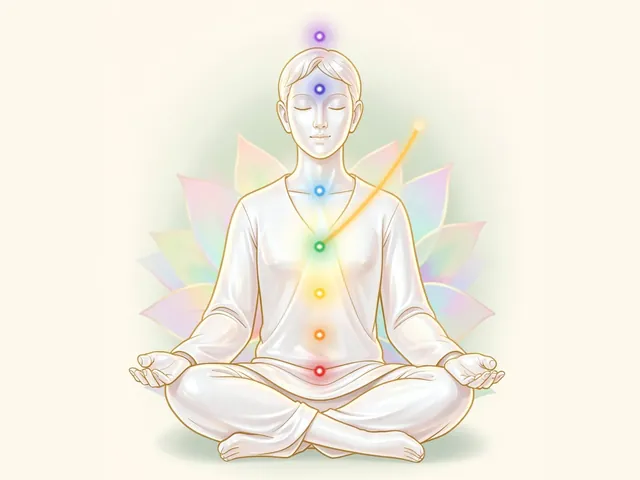
Mindfulness means paying attention to this moment without judging it. Many teens use it to feel calmer and more focused. This guide shows you what it is, how to start, and what to do if it feels hard.
This is general wellness information, not medical advice. Read our health disclaimer.
What Is Mindfulness for Teens?
Mindfulness means keeping your attention on the present moment. You do not judge what you notice [1]. You simply see it. A thought, a sound, or a feeling can be something to notice. Mindfulness is a type of meditation (quiet mind training). It is not about emptying your head. It is about noticing what is already there.
Why Do People Try Mindfulness?
In one large survey of adults, most people who practised mindfulness said they did it to relax or ease stress [1]. More than half also said they hoped for better sleep [1]. Teens often feel these same pressures. School, friends, and phones can all feel loud. Mindfulness gives you a quiet pause in the middle of the day. It is a gentle habit, not a cure for any problem.
Is Mindfulness Safe for Teens?
Mindfulness practices are usually seen as low risk [1]. One review of three studies looked at a stress program built on mindfulness. It found the practices did no more harm than getting no treatment [1]. Still, go slowly and keep sessions short. If a practice stirs up strong or upsetting feelings, stop and talk to a parent, teacher, or doctor. If you feel low or anxious for a long time, please see a doctor.
Easy Ways to Start Today
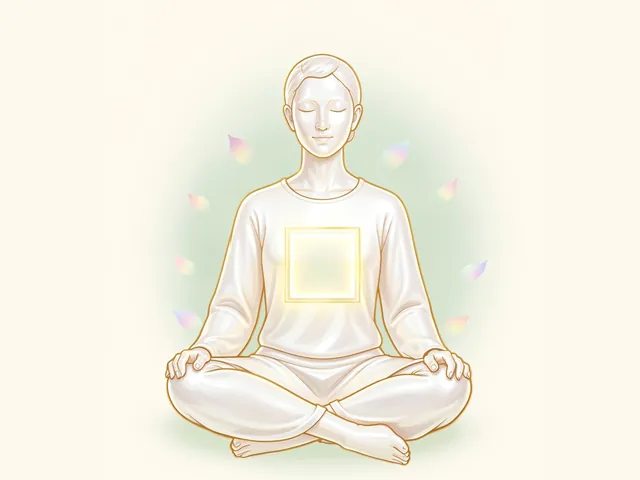
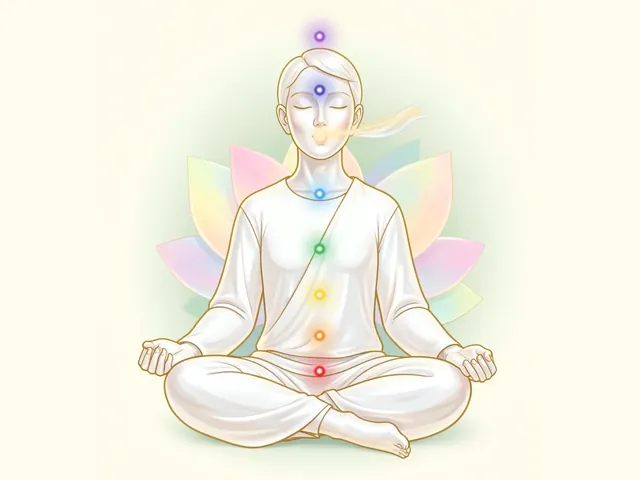
Begin with just two or three minutes. Sit comfortably and notice your breath moving in and out. When your mind wanders, gently bring it back. That is the whole practice. You can also try Box Breathing (Sama Vritti), a steady four-part breath. Bee Breath (Bhramari) uses a soft humming sound that many teens find calming. Mindfulness is simple, and it grows with regular, gentle practice [1].
Mindful Movement and Stillness
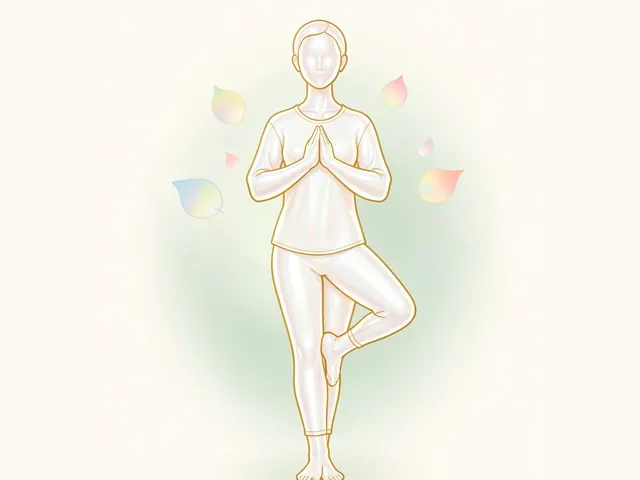
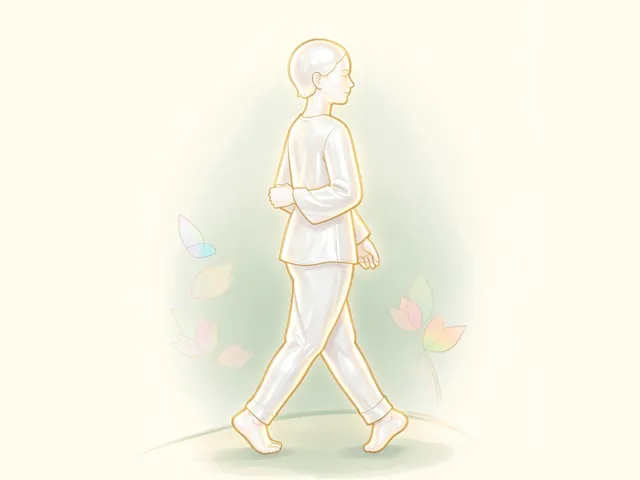
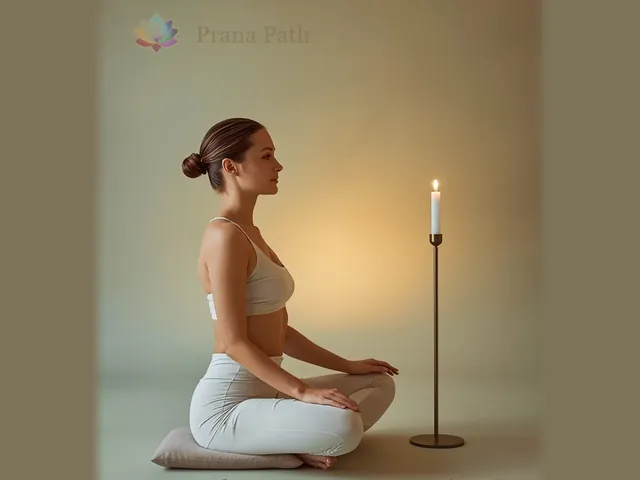
Mindfulness does not have to be still. Walking Meditation (Chankramana) lets you notice each step and each breath as you move. Tree Pose (Vrikshasana) asks you to focus on balance, which keeps your mind in the here and now. Trataka (Candle Gazing) trains attention by resting your eyes on a flame. Some programs mix mindfulness with talks and other tools to help people handle stress [1]. Choose the practice that feels friendly to you.
Balance: A Lesson from the Bhagavad Gita
The Bhagavad Gita (an ancient Indian text) teaches balance [1]. In verses 6.16 and 6.17, it says yoga works best when we avoid too much and too little. That means not too much sleep, food, or effort, and not too little. Teens can use this idea with mindfulness. Keep practice short and kind, and do not push yourself. Small, steady steps work better than big, tiring ones.
Try it: simple steps
- Find a quiet spot and sit comfortably.
- Set a timer for two or three minutes.
- Close your eyes or look softly at the floor.
- Notice your breath moving in and out.
- When thoughts appear, name them gently and let them go.
- Return to your breath without blaming yourself.
- End by noticing how your body feels.
Questions people ask
How long should a teen practise mindfulness each day?
Start with two or three minutes. You can add a few minutes over time if it feels good. Short, regular practice is better than one long session.
Can mindfulness help with stress and sleep?
Many adults in one survey said they practised mindfulness to relax, ease stress, and sleep better [1]. It is a gentle habit, not a treatment. If stress or sleep problems last, please see a doctor.
What if my mind keeps wandering?
That is normal and happens to everyone. Each time you notice it, you are practising mindfulness. Gently bring your attention back to your breath.
Is mindfulness the same as meditation?
Mindfulness is one kind of meditation. It means paying attention to the present moment without judging it [1]. Other kinds of meditation use different methods.
Sources
- NCCIH: Meditation and Mindfulness - Effectiveness and Safety · U.S. National Institutes of Health
Written with AI assistance from the sources above, then checked for copied text and risky health claims. How we write
Practise it here
Related reading
This is general wellness information, not medical advice. Move slowly, never force a pose or a breath, and stop if you feel pain, dizziness or breathlessness. If you are pregnant, have high blood pressure, heart, lung or eye conditions, or recent surgery, ask your doctor before starting.