 Prana Path
Breathwork for Recovery: A Gentle Guide
Rest matters as much as effort. Breathwork (slow, mindful breathing) is a simple way to help your body settle after a busy day or a workout. This guide shows you how to begin, with gentle practices from the yoga tradition.
This is general wellness information, not medical advice. Read our health disclaimer.
What does breathwork for recovery mean?
Breathwork means guiding your breath on purpose. For recovery, the aim is to slow down and rest. Slow breathing is one sign of the body's relaxation response (a calm state that is the opposite of the stress response) [1]. That is why many people use the breath to wind down. Think of it as a quiet pause for your body, not a cure for anything.
How slow breathing fits with relaxation
Some practices help your body relax. Health experts call these relaxation techniques [1]. This response includes slower breathing, lower blood pressure and a slower heart rate [1]. Other examples are progressive muscle relaxation (tensing and then releasing your muscles) and autogenic training (calming mental exercises that focus on how your body feels) [1]. Breathwork sits well beside these methods. You can try them on different days and see what feels good.
Gentle breathing practices to try
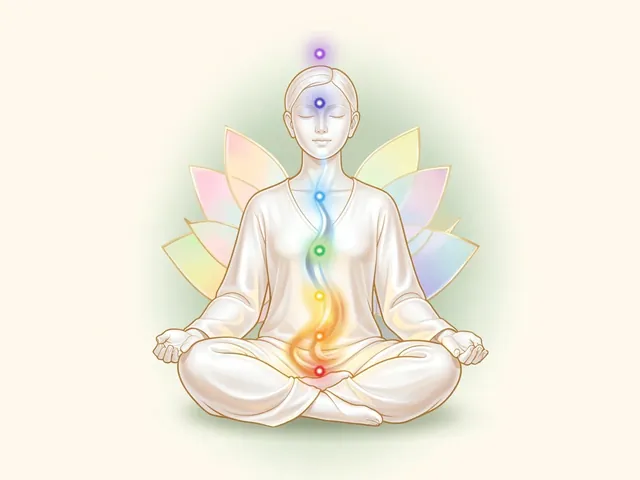
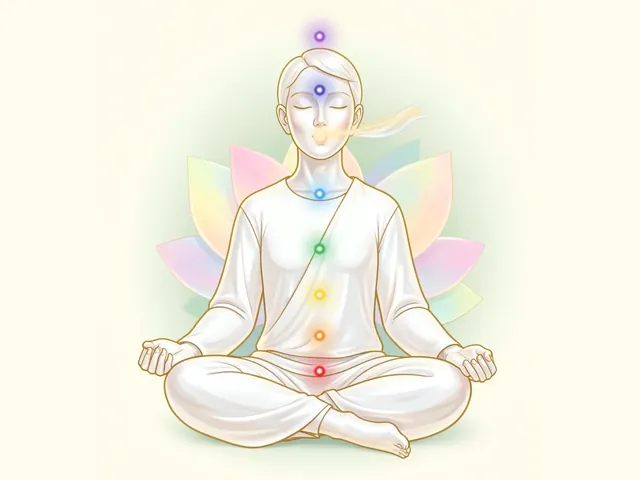
Start with Box Breathing (Sama Vritti), where you breathe in, pause, breathe out and pause for equal counts. Keep the counts short and easy. Bee Breath (Bhramari) is another soft choice. You hum quietly on the out-breath, which gives your mind a calm sound to follow. Alternate Nostril Breathing (Nadi Shodhana) is a slow, even practice that suits a quiet evening. Stop any practice that makes you dizzy or tense, and return to normal breathing. Relaxation methods like these aim to invite calm [1].
Pair your breath with calm movement and stillness
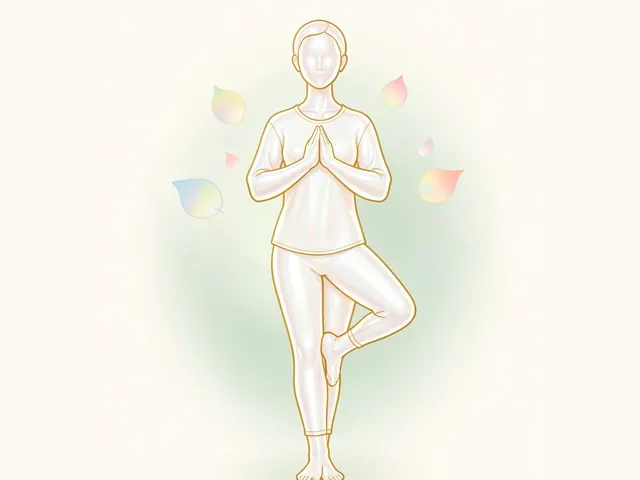
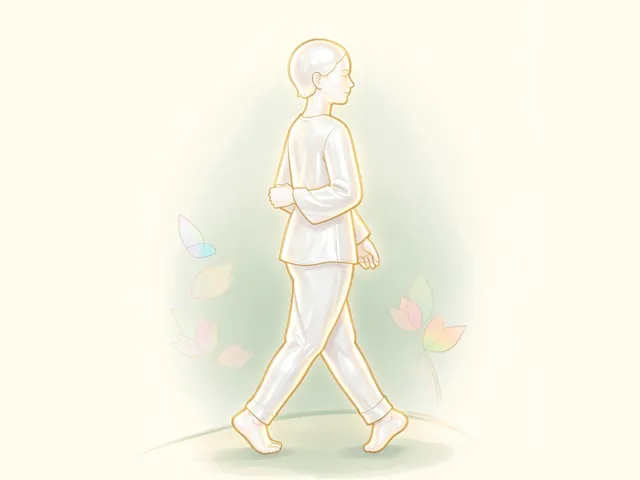
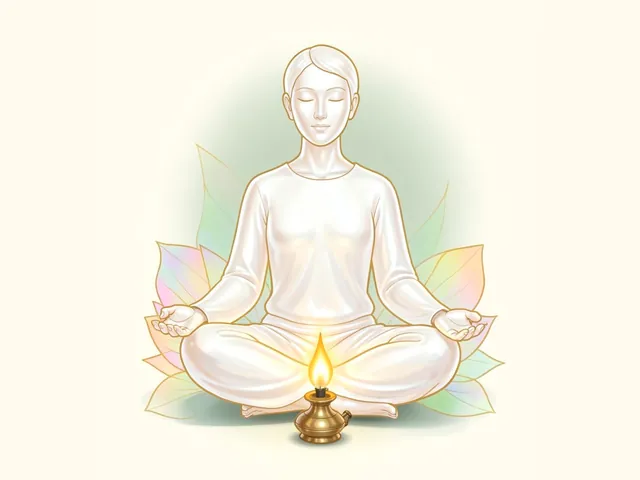
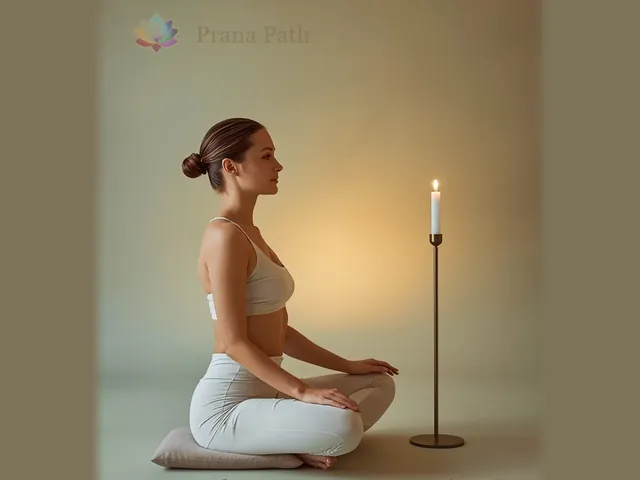
After exercise, slow movement can help you settle. Try Tree Pose (Vrikshasana) near a wall for steady balance and an easy breath. Cobra Pose (Bhujangasana) is a gentle back bend. Keep it low and breathe slowly as you lift. For stillness, try Walking Meditation (Chankramana) or Trataka (Candle Gazing). Both give your mind one simple thing to follow. Like breathwork, they are ways to invite the relaxation response [1].
Balance: a lesson from the Bhagavad Gita
The Bhagavad Gita (an ancient Indian text) speaks about moderation in verses 6.16 and 6.17. It says a steady practice comes from balance in eating, sleep, effort and rest. Too much or too little of anything works against you. Recovery follows the same idea. Work hard, then rest well, and keep your breathwork short and kind. Relaxation techniques work best as a regular, calm habit rather than a forced effort [1]. If you like reflection, our Bhagavad Gita Meditation (Dhyana) is a quiet place to begin.
Keep it safe and simple
Breathwork is for general wellness only. It does not treat or cure any health problem. If you have a heart or lung condition, are pregnant, or feel unwell, talk to your doctor first. Relaxation techniques are meant to support, not replace, care from a health professional [1]. Practise in a comfortable seat, breathe through your nose if you can, and never strain.
Try it: simple steps
- Sit or lie down somewhere quiet and comfortable.
- Relax your shoulders and soften your jaw.
- Breathe in gently through your nose for a count of four.
- Pause for a moment without straining.
- Breathe out slowly for a count of four.
- Repeat for two to five minutes.
- Finish with a few normal breaths and notice how you feel.
Questions people ask
Can breathwork help my body recover after exercise?
Slow breathing is linked with the body's relaxation response, which includes slower breathing and a slower heart rate [1]. Many people use it as a calm cool-down. It is not a medical treatment.
How long should a breathwork session for recovery last?
Two to five minutes is plenty for a beginner. Short, regular sessions are easier to keep up than long ones. Stop if you feel dizzy.
Which breathing practice is best for beginners?
Box Breathing (Sama Vritti) is easy to learn because the counts are equal. Bee Breath (Bhramari) is also gentle. Choose the one that feels most comfortable.
Is breathwork safe for everyone?
Gentle breathing is safe for most people, but not everyone. Check with your doctor if you have a heart or lung condition, are pregnant, or have any health worry.
Sources
- NCCIH: Relaxation Techniques · U.S. National Institutes of Health
Written with AI assistance from the sources above, then checked for copied text and risky health claims. How we write
Practise it here
Related reading
This is general wellness information, not medical advice. Move slowly, never force a pose or a breath, and stop if you feel pain, dizziness or breathlessness. If you are pregnant, have high blood pressure, heart, lung or eye conditions, or recent surgery, ask your doctor before starting.