 Prana Path
Breathwork for Emotional Release: A Gentle Guide
Many people want a calm way to let go of heavy feelings. Slow, gentle breathing is one simple tool. This guide shows you how to start safely, in plain steps.
This is general wellness information, not medical advice. Read our health disclaimer.
What Is Breathwork for Emotional Release?
Breathwork means using your breath on purpose. People often use it to feel calmer and lighter. Some call this emotional release, which means letting feelings rise and pass without a fight. Breathwork is a kind of relaxation technique. These are practices that help your body shift into a relaxation response, with slower breathing, lower blood pressure and a slower heart rate [1]. In yoga, breath practice is called pranayama (breath practice).
Why Slow Breathing Can Help You Feel Calmer
Stress and relaxation work like opposites in the body. The stress response is the body's alarm. The relaxation response is the body settling down [1]. Slow breathing is one way to invite that settled feeling [1]. It is not a cure for any illness. It is a gentle habit that may help you feel more at ease. If you carry deep pain or trauma, please talk with a doctor or a trained therapist.
Start Gently: Calm Breathing First
Begin with soft, easy breaths, not strong or fast ones. Box Breathing (Sama Vritti) is a good first step. You breathe in, hold, breathe out and hold again, all for the same count. Many people find this steady rhythm easy to follow. It is one of the relaxation approaches that use the breath to bring on a calmer state [1]. Keep every breath comfortable and stop if you feel dizzy.
Breath Practices for Letting Go
Bee Breath (Bhramari) uses a soft humming sound on the out-breath. The gentle buzz gives your mind one simple thing to focus on. Alternate Nostril Breathing (Nadi Shodhana) is another calm choice. You breathe through one nostril at a time, slowly and evenly. Both practices fit the idea of guiding the body toward relaxation [1]. Let tears or sighs come if they come, and stay kind to yourself.
Add Movement and Stillness
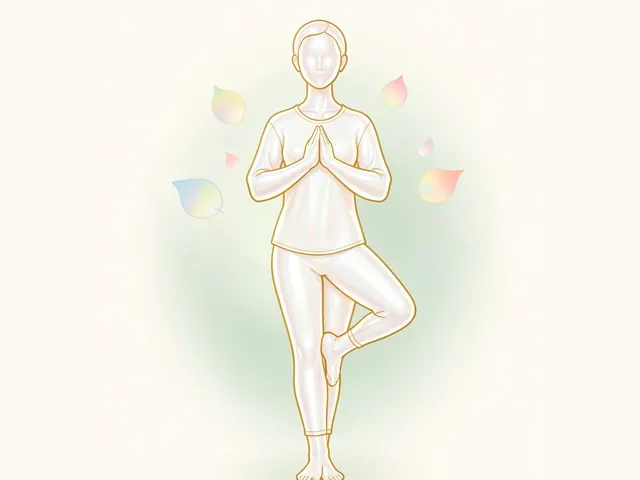
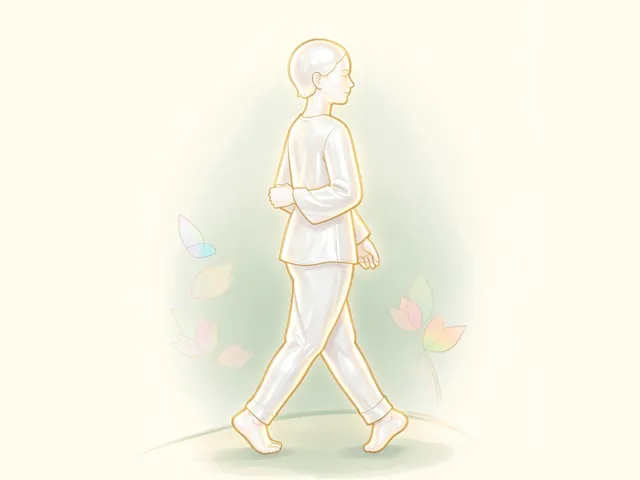
Gentle movement can help you stay in your body. Try Cobra Pose (Bhujangasana) to open the chest with easy breaths. Try Tree Pose (Vrikshasana) to feel steady and grounded. Walking Meditation (Chankramana) lets you pair slow steps with slow breaths. Relaxation techniques come in many forms, such as muscle relaxation and mental exercises [1]. Pick the ones that feel kind to you.
Balance and Care: A Lesson from the Gita
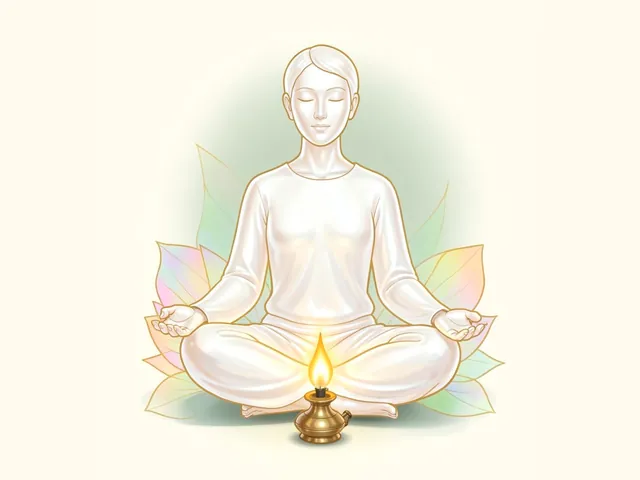
The Bhagavad Gita (a sacred Indian text) teaches balance in daily life, including in eating, sleep and effort (Gita 6.16-17). The same idea fits breathwork. Do a little, not too much. Strong feelings need patience, not force. You can also try Bhagavad Gita Meditation (Dhyana) to build a calm daily habit. If feelings stay heavy or scary, see a doctor or counsellor. Relaxation practices can sit beside other care, not replace it [1].
Try it: simple steps
- Sit or lie down in a quiet, comfortable place.
- Rest one hand on your belly.
- Breathe in slowly through your nose for a count of four.
- Breathe out gently for a count of four or more.
- Repeat for two to five minutes.
- Let any feeling rise and pass without judging it.
- Stop and rest if you feel dizzy or upset.
Questions people ask
Is breathwork safe for beginners?
Gentle, slow breathing is usually a calm place to start. Avoid fast or forceful breathing at first. If you have a health condition, are pregnant or feel unwell, ask your doctor before you begin.
Can breathwork cure anxiety or trauma?
No. Breathwork does not cure or treat any illness. It can help the body relax [1]. For ongoing anxiety or painful memories, please speak with a doctor or trained therapist.
How long should I practise each day?
Start with two to five minutes. Short, regular sessions feel easier than long, hard ones. Build up slowly only if it feels good.
Is it normal to cry during breathwork?
Yes, some people feel tears, sighs or a lump in the throat. That is a natural way to let feelings move. If it feels too strong, return to normal breathing and rest.
Sources
- NCCIH: Relaxation Techniques · U.S. National Institutes of Health
Written with AI assistance from the sources above, then checked for copied text and risky health claims. How we write
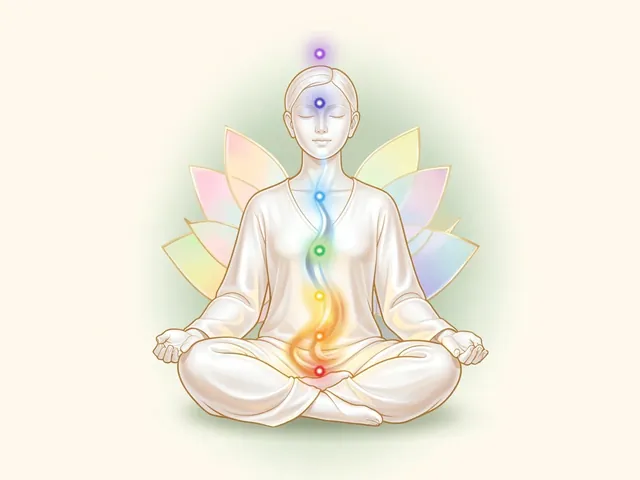
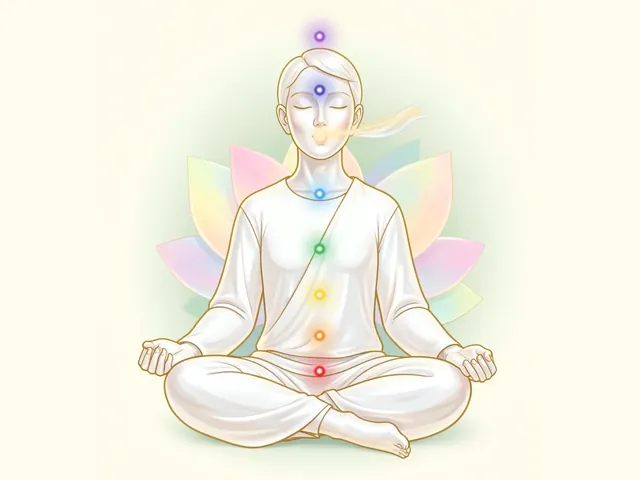
Practise it here
Related reading
This is general wellness information, not medical advice. Move slowly, never force a pose or a breath, and stop if you feel pain, dizziness or breathlessness. If you are pregnant, have high blood pressure, heart, lung or eye conditions, or recent surgery, ask your doctor before starting.