 Prana Path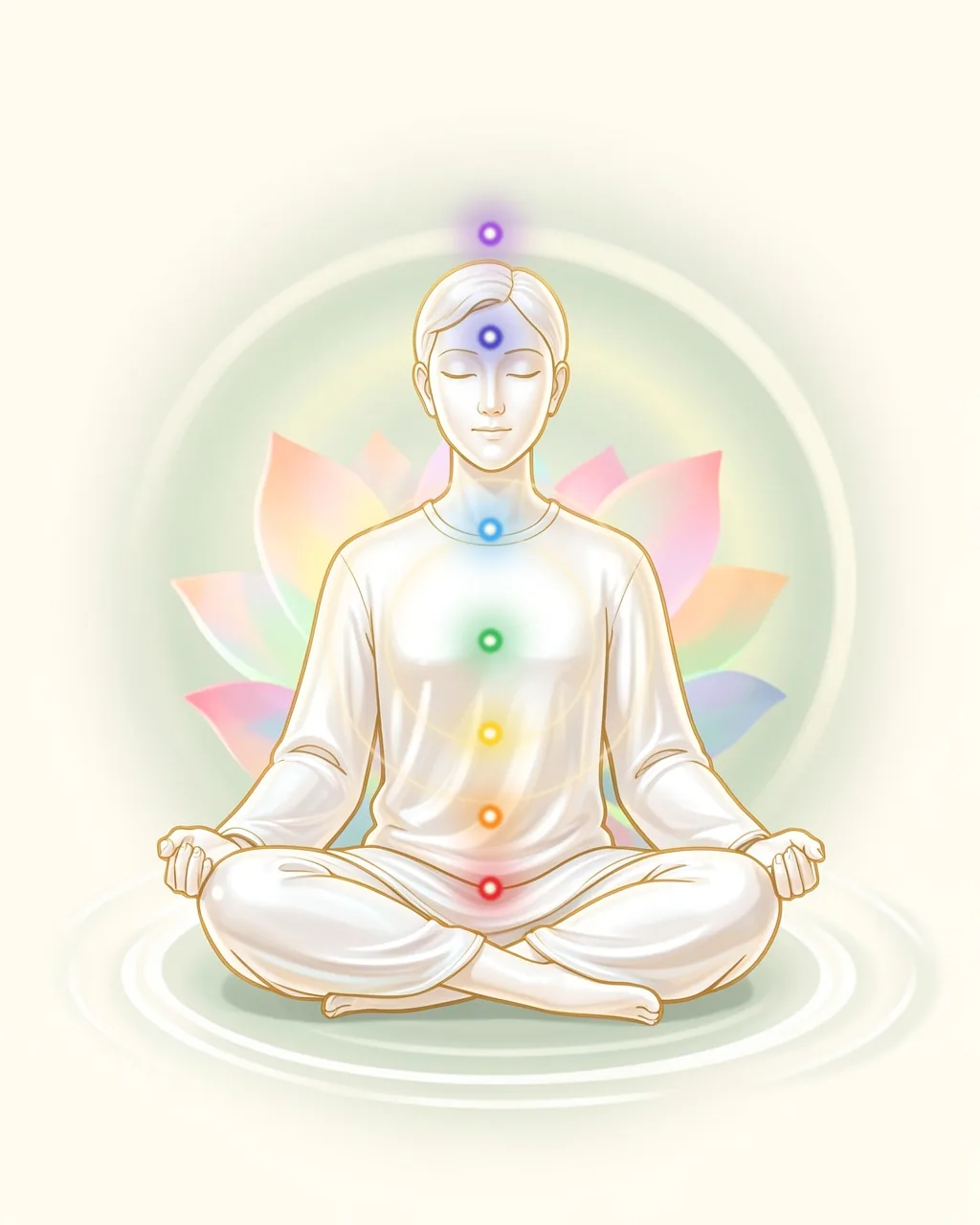
Peace at the End of Each Breath
kumbhitā recitā vāpi pūritā vā yadā bhavet |
tadante śāntanāmāsau śaktyā śāntaḥ prakāśate || 27 ||
The breath may be held, emptied out or filled in. At the end of each, the one called 'Peace' shines out through that power, and you become peaceful.
What the verse points to
The verse names the three classic phases of yogic breathing. These are filling (pūraka), emptying (recaka) and holding (kumbhaka). Its message is simple. At the end of any of these, there is a moment of peace (śānta) that you can notice. For beginners, the safest way is a short, gentle hold, or no hold at all. Give your full attention to the calm that follows each phase.
Breathe along
Breathe in 4 · Hold softly 2 · Breathe out 6 · Peace 3 (seconds) - repeat. Counts are a guide; go slower or shorter if you need to.
How to practise
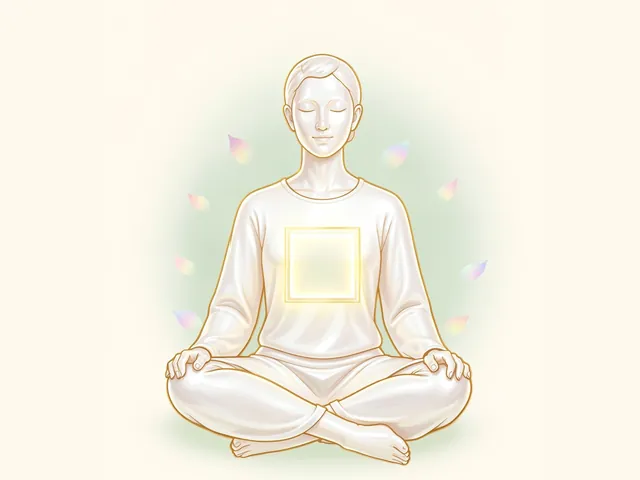
Sit in any way that is comfortable. You can sit cross-legged on a cushion, or upright on a chair with your feet on the floor. The person in the picture sits in lotus pose, with each foot resting on the opposite thigh. You do not need to sit that way.
- Sit tall and comfortable. Relax your jaw, face and shoulders.
- Breathe in through the nose for about 4 counts, filling the belly and then the chest.
- Pause softly for about 2 counts, but only if it is comfortable. Skip this pause if you are pregnant, or have high blood pressure or a heart condition.
- Breathe out slowly for about 6 counts, letting the body soften.
- Rest for a few counts at the end and notice the quiet that is there.
- Repeat for 5 minutes. Each time, ask lightly: 'Where is the peace right now?'
What you may notice
- A drop in tension in the shoulders or face after each out-breath.
- A sense that calm was already there, waiting at the end of the breath.
- A slower, steadier rhythm after a few minutes.
Tips
- Never hold the breath long enough to feel pressure in the head or chest.
- Breathing out for longer than you breathe in often feels especially calming.
- Box Breathing is a good next step once this feels easy.
Source: Vijñānabhairava, verse 27. Sanskrit from Vijñānabhairava, Sanskrit e-text (GRETIL, input by Marino Faliero, 1998). English rendering and practice notes by Prana Path. About the text
More methods from the series
Picture this energy rising from the root of the body like a ray of light. It grows finer and finer. At the point beyond the head, it quietens and…
Focus on the energy, sometimes full and sometimes faint, in the field of the 'twelve'. Then enter the heart and meditate there. Set free, you gain…
The two currents of breath meet, inside or outside. Where they meet, at their very end, the meditator becomes ready. Then the knowledge of evenness…
Related practices
Related reading
This is general wellness information, not medical advice. Move slowly, never force a pose or a breath, and stop if you feel pain, dizziness or breathlessness. If you are pregnant, have high blood pressure, heart, lung or eye conditions, or recent surgery, ask your doctor before starting.