 Prana Path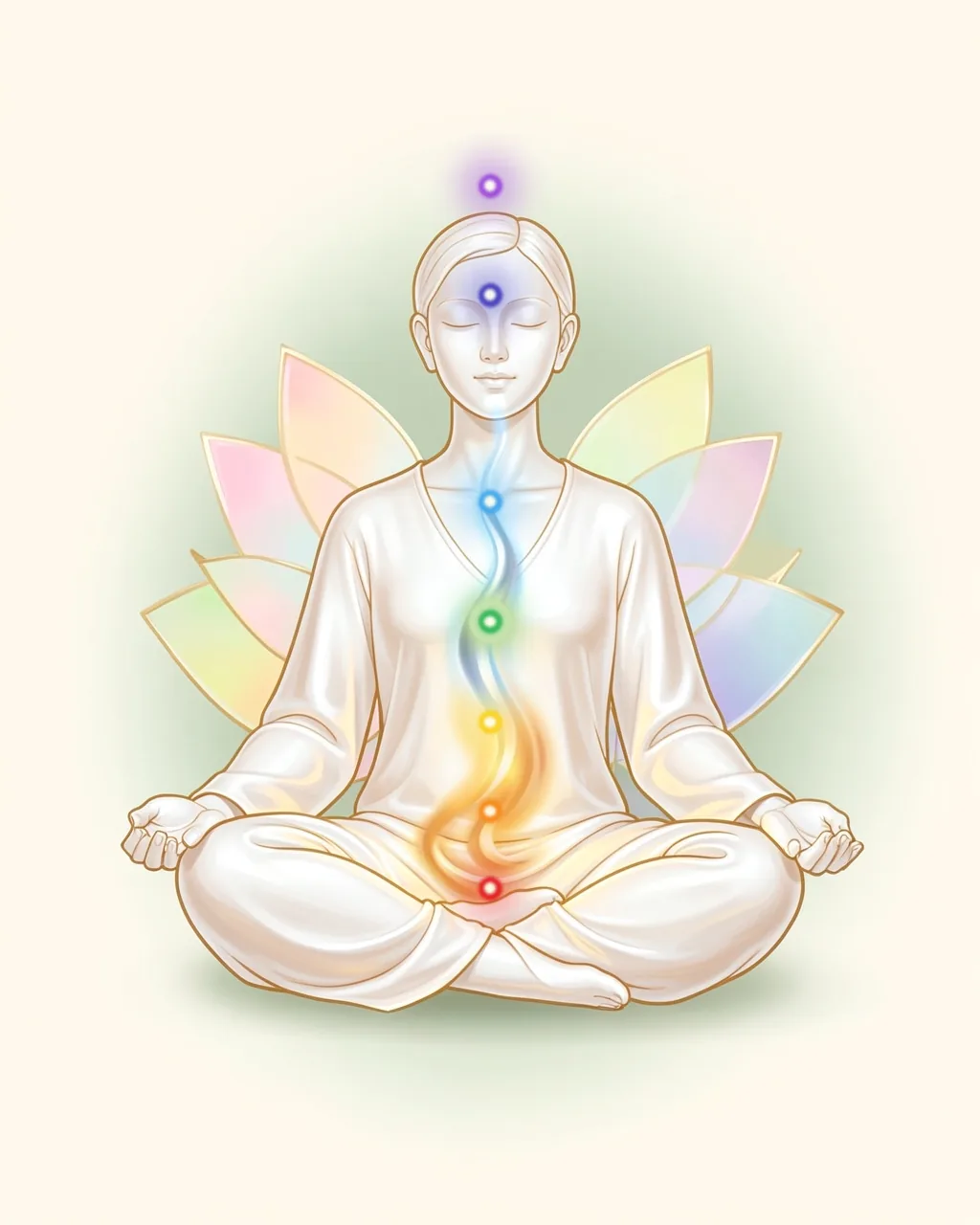
Where the Two Breaths Meet
vāyudvayasya saṃghaṭṭād antar vā bahir antataḥ |
yogī samatvavijñānasamudgamanabhājanam || 64 ||
The two currents of breath meet, inside or outside. Where they meet, at their very end, the meditator becomes ready. Then the knowledge of evenness (inner balance) can rise.
What the verse points to
Yoga texts often speak of two currents of breath. Prāṇa (life energy, in yoga tradition) is linked with the in-breath and upward movement. Apāna (the downward, outgoing breath) is linked with the out-breath and downward movement. Verse 64 points to the place where these two meet and balance. The result it names is samatva, meaning evenness or calm balance. The Bhagavad Gita (a famous Hindu scripture) praises this same quality as yoga (Gita 2.48).
Breathe along
Breathe in 4 · Meet 2 · Breathe out 4 · Meet 2 (seconds) - repeat. Counts are a guide; go slower or shorter if you need to.
How to practise
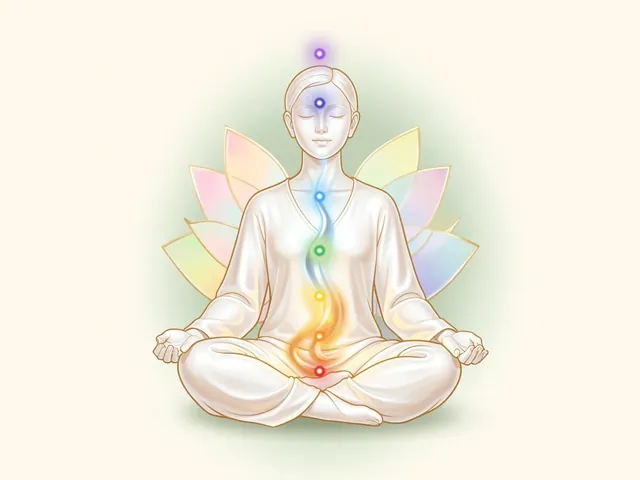
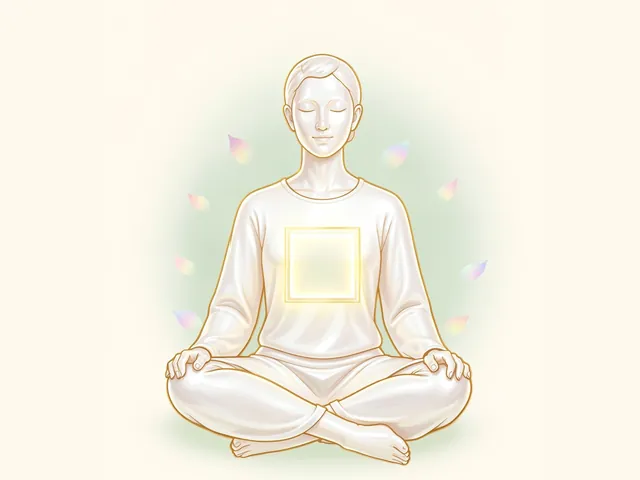
Sit in any way that is comfortable. You can sit cross-legged on a cushion, or upright on a chair with your feet on the floor. The person in the picture sits in lotus pose, with each foot resting on the opposite thigh. You do not need to sit that way.
- Sit comfortably with a long spine. Close your eyes.
- Breathe in for about 4 counts and feel the breath coming down into the body.
- At the top, notice a brief meeting point. Imagine the downward and upward flows touching at the heart.
- Breathe out for about 4 counts and feel the breath rising and leaving.
- At the bottom, notice the second meeting point, outside the body.
- Keep the in-breath and out-breath about equal. Practise for 5 minutes, then rest in natural breathing.
What you may notice
- A sense of balance - neither pushing nor pulling.
- The in-breath and out-breath starting to feel like one smooth circle.
- Feeling steadier or more even-tempered afterwards.
Tips
- Equal breathing is the heart of this one. If 4 counts is too long, use 3.
- Alternate Nostril Breathing works on the same feeling of balance.
- Keep the meeting moments short and natural.
Source: Vijñānabhairava, verse 64. Sanskrit from Vijñānabhairava, Sanskrit e-text (GRETIL, input by Marino Faliero, 1998). English rendering and practice notes by Prana Path. About the text
More methods from the series
Gently close all the streams of the senses. Let the breath-energy rise slowly upward. When you feel a light touch, like an ant crawling, the highest…
Rest the tongue in the middle and open the mouth. Place your awareness in that middle space. Silently sound 'ha' in your mind. Then you dissolve into…
The breath goes out and the breath comes in, by its own will. This flow is the great Goddess herself, the highest field. Walking along with her and…
Related practices
Related reading
This is general wellness information, not medical advice. Move slowly, never force a pose or a breath, and stop if you feel pain, dizziness or breathlessness. If you are pregnant, have high blood pressure, heart, lung or eye conditions, or recent surgery, ask your doctor before starting.