 Prana Path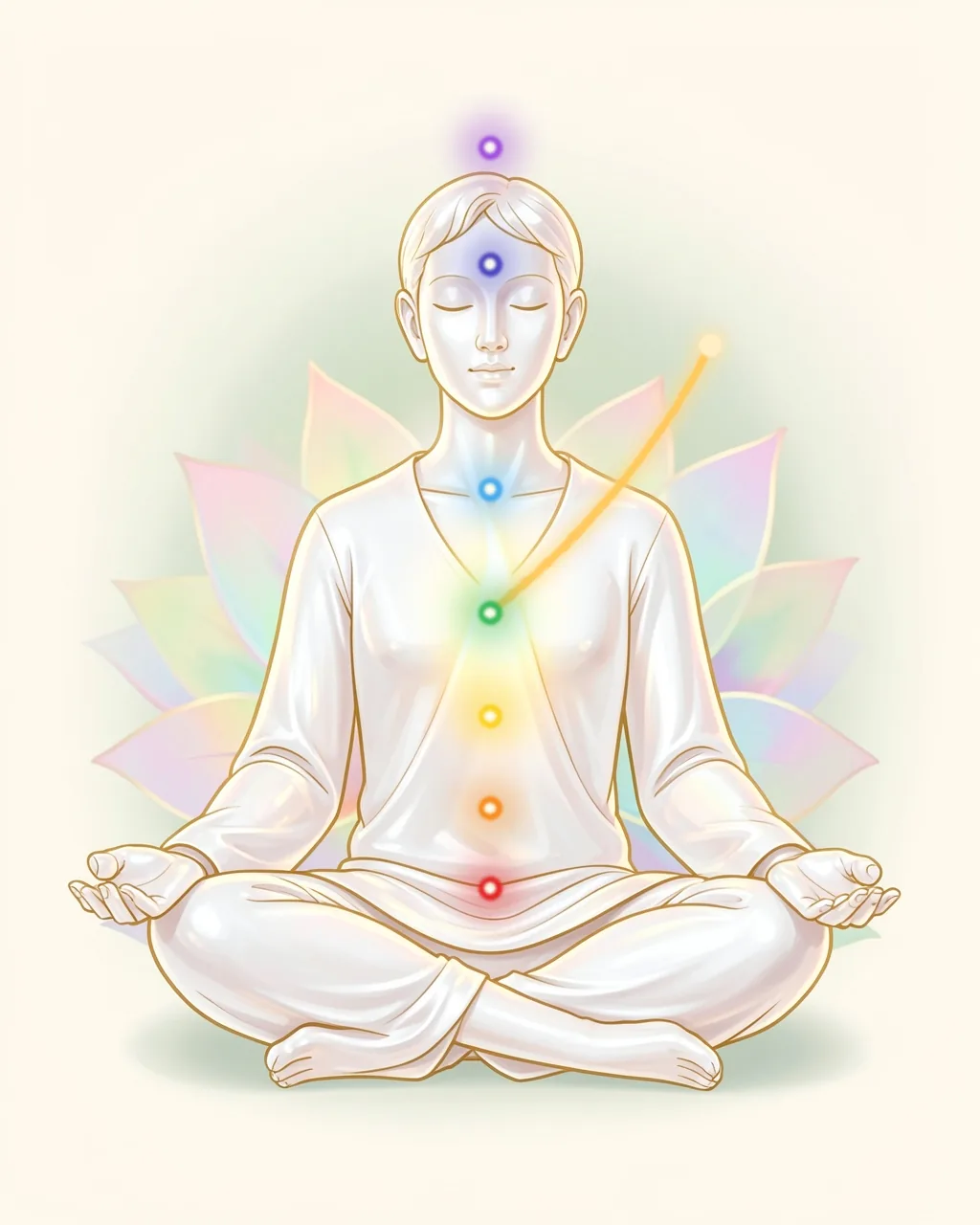
Following the Breath into the Heart
pināṃ ca durbalāṃ śaktiṃ dhyātvā dvādaśagocare |
praviśya hṛdaye dhyāyan muktaḥ svātantryam āpnuyāt || 55 ||
Focus on the energy, sometimes full and sometimes faint, in the field of the 'twelve'. Then enter the heart and meditate there. Set free, you gain inner freedom.
What the verse points to
Traditional readers take 'the energy' here to mean the breath. Sometimes it is full and strong, and sometimes thin and faint. The 'field of the twelve' is a point about twelve finger-widths in front of the nose. It is where the out-breath fades. The method moves your attention from that outer point, along the in-breath, into the heart. Then it lets your attention rest there.
Breathe along
Breathe in - to the heart 4 · Rest at heart 2 · Breathe out 6 (seconds) - repeat. Counts are a guide; go slower or shorter if you need to.
How to practise
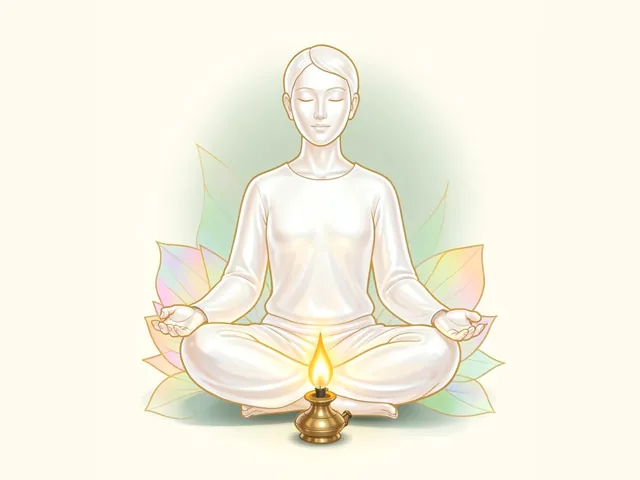
Sit in any way that is comfortable. You can sit cross-legged on a cushion, or upright on a chair with your feet on the floor. The person in the picture sits in lotus pose, with each foot resting on the opposite thigh. You do not need to sit that way.
- Sit comfortably with your eyes closed. If you like, rest one hand on the centre of your chest.
- Breathe out slowly. Notice where the breath seems to fade, a little way in front of your face.
- Breathe in for about 4 counts. Imagine the breath travelling from that outer point down into your heart.
- Let your attention rest at the heart for a short, easy moment.
- Breathe out for about 6 counts, keeping part of your attention at the heart.
- Continue for 5 to 10 minutes. Let the breath be full or faint, whatever it is naturally.
What you may notice
- Warmth or softness under your hand.
- The breath becoming quieter as attention settles in the chest.
- Feelings of kindness or ease.
Tips
- You do not need to feel a 'point' in front of the nose. A rough sense of where the breath ends is enough.
- If focusing on the heart makes you anxious, move your attention to your hands or belly instead.
- Walking Meditation is a good way to carry this calm into the day.
Source: Vijñānabhairava, verse 55. Sanskrit from Vijñānabhairava, Sanskrit e-text (GRETIL, input by Marino Faliero, 1998). English rendering and practice notes by Prana Path. About the text
More methods from the series
The two currents of breath meet, inside or outside. Where they meet, at their very end, the meditator becomes ready. Then the knowledge of evenness…
Gently close all the streams of the senses. Let the breath-energy rise slowly upward. When you feel a light touch, like an ant crawling, the highest…
Rest the tongue in the middle and open the mouth. Place your awareness in that middle space. Silently sound 'ha' in your mind. Then you dissolve into…
Related practices
Related reading
This is general wellness information, not medical advice. Move slowly, never force a pose or a breath, and stop if you feel pain, dizziness or breathlessness. If you are pregnant, have high blood pressure, heart, lung or eye conditions, or recent surgery, ask your doctor before starting.