 Prana Path
Pranayama for Beginners: A Gentle Guide to Yogic Breathing
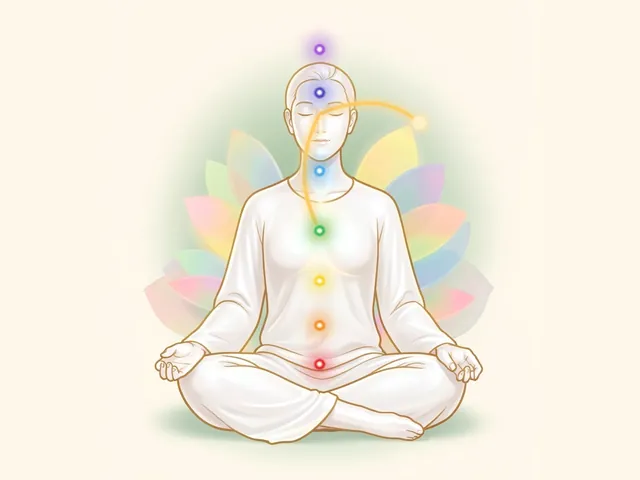
Pranayama is breath practice in yoga. It is the art of working with your breath. In Sanskrit, an old Indian language, prana means life energy. Ayama means stretching or guiding it. You do not need any special skill to begin. If you can breathe, you can practise. A few calm minutes a day is a perfect start.
What pranayama is
In the yoga tradition, breath practice sits between the poses and meditation. It steadies the body and gets the mind ready to be still. Some ways of breathing slow the breath down. Some make it even and steady, and a few are fast and forceful. Beginners do best with the slow, soft ones. Think of pranayama less as a workout. Think of it more as learning to listen to something you do all day and night without noticing.
Start with the belly breath
Almost every breath practice builds on breathing low into the belly. Your diaphragm is a wide dome of muscle below the lungs. It is the body's best breathing muscle [1]. Cleveland Clinic calls diaphragmatic, or belly, breathing a way to use this muscle well [1]. It says this can help you relax. Lie down with your knees bent. Place one palm on your chest and the other below your ribs [1]. Breathe in through your nose so the lower hand rises while the upper one barely moves. It may feel tiring at first [1]. With practice, it becomes more natural.
Add a gentle count
Once belly breathing feels easy, give it a rhythm. The NHS suggests breathing in gently and steadily, perhaps counting from one to five [2]. Then let the breath flow out over a similar count, for at least five minutes. Do not worry if you cannot reach five at first [2]. The NHS also notes that the benefit tends to come from doing it often, as part of your day [2]. When counting feels comfortable, try our Box Breathing practice. It adds short, relaxed pauses between the in-breath and the out-breath.
Two classic practices to try
Alternate Nostril Breathing (Nadi Shodhana) is a calm, balancing practice. You gently close one nostril with a finger and breathe in through the other. Then you switch sides for the out-breath. Keep it slow and never strain. Bee Breath (Bhramari) uses a soft humming sound as you breathe out. Many people find it soothing at the end of the day. Both are easy to learn from our step-by-step guides. Leave fast, forceful breathing until you can learn it from a skilled teacher.
What the research suggests
The U.S. National Center for Complementary and Integrative Health lists slow breathing as one way to relax [3]. It can bring on the relaxation response. This is a state with slower breathing, lower blood pressure and a calmer heart rate. A 2023 review in Scientific Reports pooled 12 trials with 785 adults [4]. Breathwork was linked with lower stress, as people reported it, than in control groups. The effect was small to medium. The same authors found similar results for anxiety and low mood [4]. But they also urged caution, since many of the trials had a moderate risk of bias. In short, breathwork is promising, gentle and worth trying. But it does not replace professional care.
Safety first
NCCIH says relaxation methods are generally seen as safe for healthy people [3]. But a few people sometimes feel more anxious or notice unwanted thoughts. In rare cases, these methods have made symptoms worse [3]. This was for people with epilepsy, some mental health conditions or a past trauma. Ask your doctor before starting breath practice if you are pregnant or have a heart problem. Do the same if you have epilepsy, have had surgery lately, or are in a mental-health crisis. Avoid holding your breath unless your doctor agrees. If anxiety or low mood does not go away, please speak to a qualified health professional [3]. Always stop and breathe normally if you feel dizzy, tingly or short of breath.
Try it: simple steps
- Sit upright on a chair or lie on your back with your knees bent.
- Breathe naturally for a minute, simply noticing the air.
- Switch to belly breathing: the lower hand rises, the upper hand stays still.
- Breathe in to a slow count of four or five, and out to the same count.
- Keep going for five minutes, letting the rhythm become easy.
- On another day, try Box Breathing or Alternate Nostril Breathing.
- Finish by sitting still for a minute, then get up slowly.
Questions people ask
How long should a beginner practise pranayama?
Five to ten minutes once or twice a day is a comfortable start. Short, regular sessions tend to work better than the odd long one.
Which pranayama is best for beginners?
Slow belly breathing is the base for everything else. After that, counted breathing, Box Breathing and Alternate Nostril Breathing are all gentle choices.
Is it normal to feel light-headed?
Feeling a little light-headed usually means you are breathing too deeply or too fast. Go back to normal breathing and rest. Keep the next round softer and shorter.
Sources
- Cleveland Clinic: Diaphragmatic Breathing · Cleveland Clinic
- NHS: Breathing exercises for stress · NHS (UK)
- NCCIH: Relaxation Techniques - What You Need To Know · U.S. National Institutes of Health
- Fincham et al. (2023) Effect of breathwork on stress and mental health: a meta-analysis of randomised-controlled trials. Sci Rep 13:432 · PubMed (peer-reviewed)
Written with AI assistance from the sources above, then checked for copied text and risky health claims. How we write
Practise it here
Related reading
This is general wellness information, not medical advice. Move slowly, never force a pose or a breath, and stop if you feel pain, dizziness or breathlessness. If you are pregnant, have high blood pressure, heart, lung or eye conditions, or recent surgery, ask your doctor before starting.