 Prana Path
Pranayama for Sleep: Unlocking a Restful Night's Rest
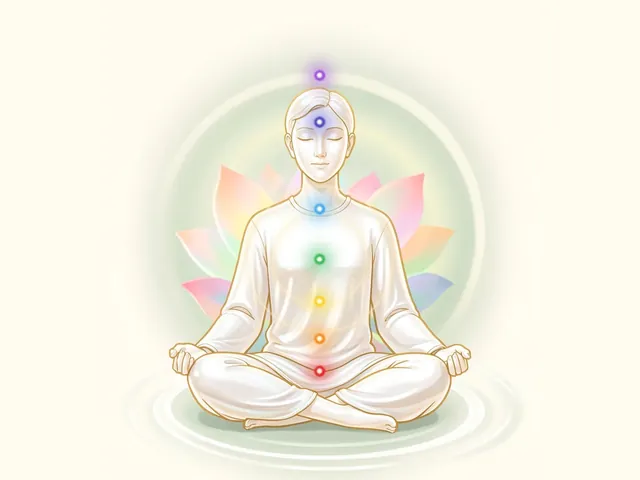
Lying awake while your mind races is one of the most tiring feelings there is. Slow, quiet breathing will not knock you out like a switch. But it can help your body shift into a softer gear before bed. Here is a simple, gentle routine you can try tonight.
Why the breath matters at bedtime
When we feel calm, the body breathes more slowly on its own. The heart beats a little slower and blood pressure eases. Health researchers call this the relaxation response, the mirror image of the stress response [3]. Pranayama (breath practice in yoga) gives you a gentle way to invite that calm state on purpose. Slow, deep breathing into the belly, sometimes called diaphragmatic breathing, is one of the best-known ways to do it [3].
What the research says (honestly)
Relaxation methods such as belly breathing are often part of CBT-I. This is cognitive behavioural therapy for insomnia (long-term trouble sleeping). Sleep experts recommend it most strongly of all [1]. Used on their own, the evidence that relaxation methods fix long-term insomnia is limited and low in quality [1]. Reviews of yoga suggest it may help people feel they sleep better [1]. But it may not solve insomnia itself. So think of pranayama as a kind partner to good sleep habits. It is not a replacement for proper care.
Set the stage for sleep
Breathing works best alongside a sensible routine. The NHS suggests getting up at the same time each morning and keeping the bedroom dark and quiet. It also suggests spending the last hour of the evening on something restful, like reading or a bath [2]. It advises avoiding caffeine, alcohol and smoking for six hours before bed, and putting screens away before you turn in [2]. Most adults need between seven and nine hours a night, though everyone is a little different [2].
Three gentle breaths for the evening
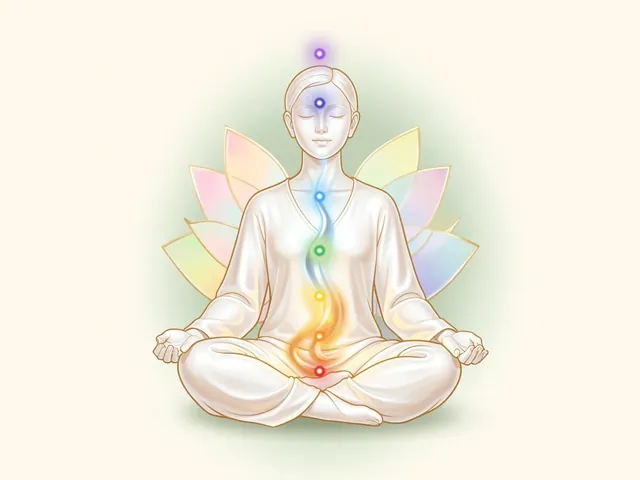
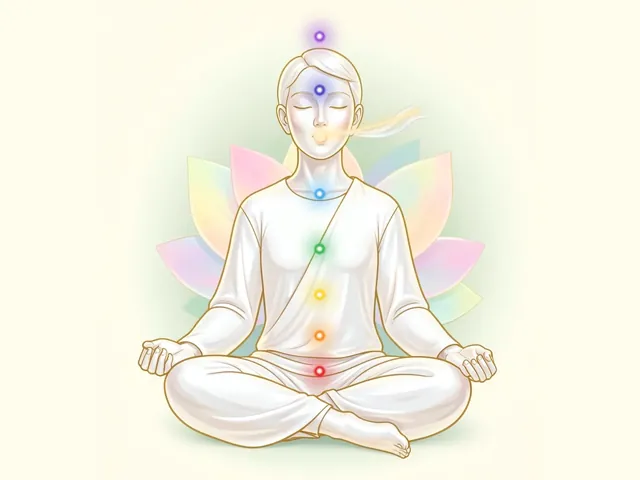
Start with slow belly breathing. Put one hand on your chest and one on your tummy, and let the lower hand rise first. Next, try a few rounds of Bee Breath (Bhramari), a soft humming out-breath. Many people find it soothing because the sound gives a busy mind something simple to rest on. Earlier in the evening, a few minutes of Alternate Nostril Breathing (Nadi Shodhana) can feel balancing. Keep every breath easy and quiet. There is no need for long breath holds at bedtime.
A yogic view of rest
The Bhagavad Gita is a classic Indian yoga text. In verses 6.16-17, it says yoga is not for someone who sleeps far too much or far too little. It is for the person who keeps sleep, food, work and play in sensible balance. Pranayama at night fits that spirit. You are not chasing sleep. You are simply giving your body a calm, regular signal that the day is done. Over a few weeks, a short breathing habit at the same time each night can become a familiar cue to unwind.
If sleep still will not come
Stress and worry are among the most common reasons people struggle to sleep. Others include noise, a room that is too warm or cold, and late caffeine [2]. If poor sleep drags on for months, or makes daily life hard, the NHS says to talk to your family doctor [2]. A doctor can look for hidden causes and suggest the right help.
Safety first
Please speak with your doctor before you begin if you are pregnant or have a heart condition or epilepsy. Do the same if you have had recent surgery or are in a mental-health crisis. Never strain or force the breath. If you feel dizzy, light-headed, short of breath or uneasy, go back to normal breathing and rest. Relaxation practices are generally thought to be safe for healthy people. Yet a few people notice more anxiety or unwanted thoughts. There have also been rare reports of symptoms getting worse in some people with epilepsy or certain mental-health conditions [3]. If a practice leaves you more unsettled, simply stop.
Try it: simple steps
- About an hour before bed, dim the lights and put your phone in another room.
- Lie on your back with a pillow under your knees. Rest one hand on your chest and one on your belly.
- Breathe in through your nose for a slow count of four. Feel your belly lift under your hand.
- Breathe out softly through your nose for a count of six. Let your shoulders and jaw go loose.
- Repeat for about five minutes. Then add three to five rounds of gentle Bee Breath humming.
- Let the counting fade and simply notice the breath until you drift off.
Questions people ask
Which pranayama is best before sleep?
Slow belly breathing with a longer out-breath is a gentle choice for bedtime. Soft, humming Bee Breath is another. Skip fast or forceful styles in the evening, as they can feel energising.
How long should I practise before bed?
Five to ten minutes is plenty. Pair it with a calm wind-down hour, a regular wake-up time and a dark, quiet room.
Can breathing exercises replace sleep medicine?
No. Breathing is a relaxing habit, not a medical fix. Never change any prescribed medicine without talking to your doctor. See your family doctor if poor sleep lasts for months.
Sources
- NCCIH: Sleep Disorders and Complementary Health Approaches · U.S. National Institutes of Health
- NHS: Insomnia · NHS (UK National Health Service)
- NCCIH: Relaxation Techniques - What You Need To Know · U.S. National Institutes of Health
Written with AI assistance from the sources above, then checked for copied text and risky health claims. How we write
Practise it here
Related reading
This is general wellness information, not medical advice. Move slowly, never force a pose or a breath, and stop if you feel pain, dizziness or breathlessness. If you are pregnant, have high blood pressure, heart, lung or eye conditions, or recent surgery, ask your doctor before starting.