 Prana Path
Yoga for Hair Growth: Gentle Habits That Help
Many people search for yoga for hair growth. Yoga is not a proven hair treatment. Still, gentle practice may ease stress, and stress is one possible cause of hair loss [2].
This is general wellness information, not medical advice. Read our health disclaimer.
What yoga can and cannot do for your hair
No yoga pose can make hair grow faster. The health sources we use do not say that yoga grows hair. What research does suggest is that yoga may support general wellness [1]. That includes stress, sleep, mood and balance [1]. So yoga is a kind helper, not a hair treatment.
How hair grows and why it falls out
Hair growth is slow. Healthy hair grows about half an inch in a month [3]. A typical hair keeps growing for as long as six years, and after that it drops off [3]. New hairs then grow in their place [3]. Losing up to 100 scalp hairs a day is normal [2].
Why stress matters for your hair
Stress is one of several causes of hair loss [2]. Other things can play a part too. These include a family history of the problem, poor food choices, and a diet low in protein [2]. Some illnesses and medicines can also cause it [2]. Studies suggest yoga may help people manage stress [1]. Less stress may be good for you in many ways, but this does not promise thicker hair.
Calming breath practices to try
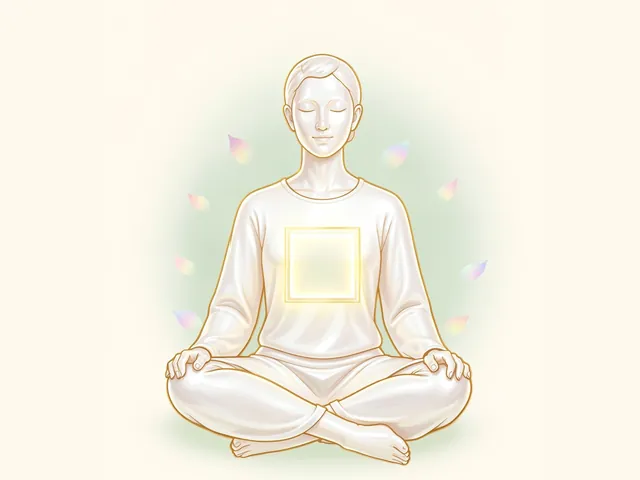
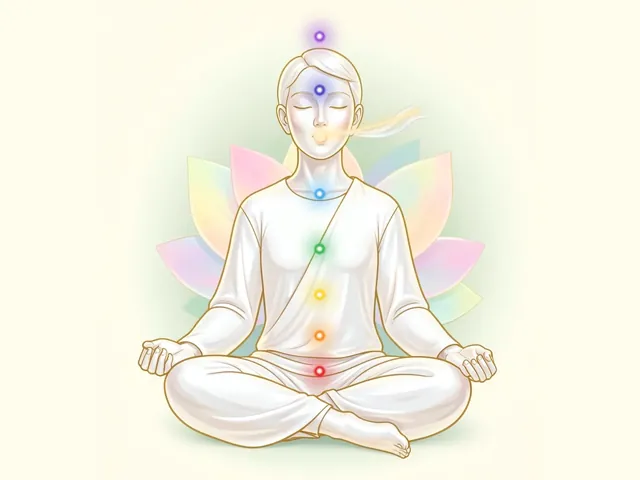
Pranayama (breath practice) is a core part of yoga [1]. Try Box Breathing (Sama Vritti), where you breathe in, hold, out and hold for equal counts. Alternate Nostril Breathing (Nadi Shodhana) is a slow, even style of breathing. Bee Breath (Bhramari) uses a soft humming sound on the out-breath. Slow breathing can feel calming, and calm is a good habit for daily life [1].
Gentle poses and quiet practice
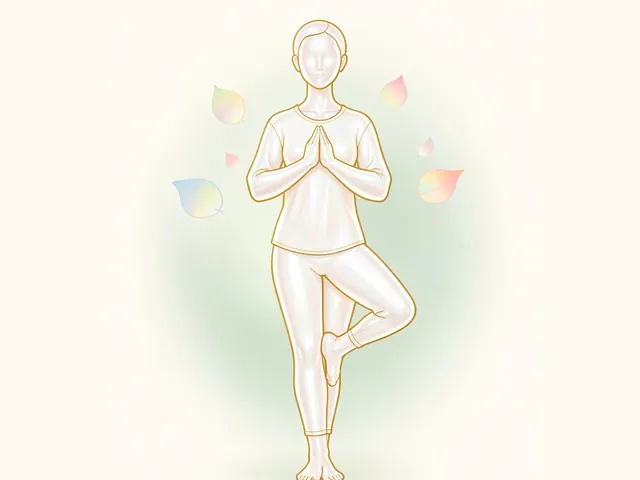
Asanas (yoga postures) are one main part of yoga [1]. Tree Pose (Vrikshasana) builds balance and focus. Cobra Pose (Bhujangasana) is a gentle back bend that many beginners enjoy. Move slowly and stop if anything hurts. Yoga may also help sleep and balance, which support everyday wellness [1].
Meditation and the Gita's idea of balance
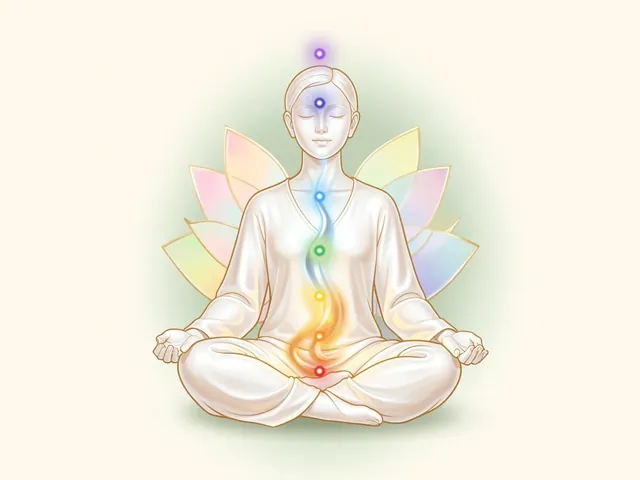
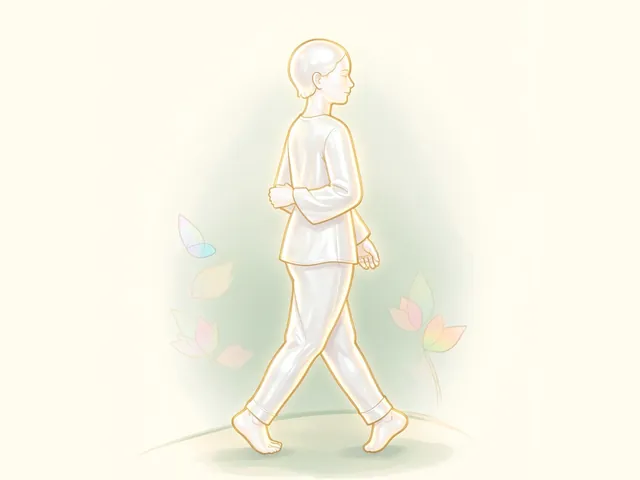
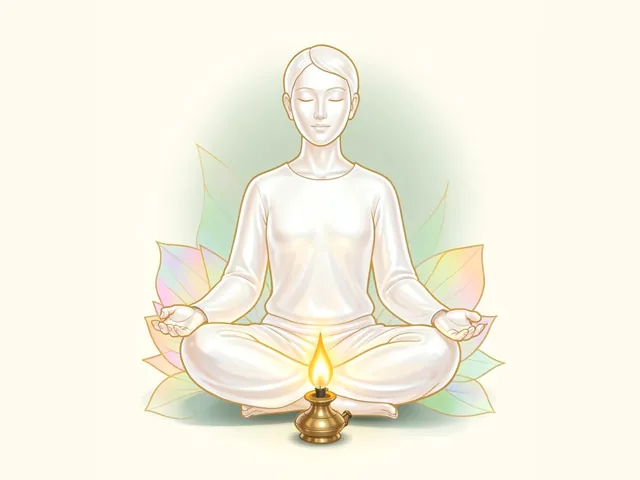
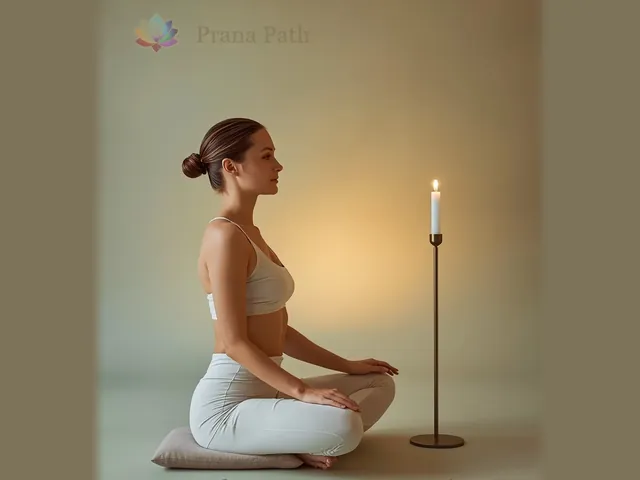
Meditation (dhyana) is another part of yoga [1]. Try Walking Meditation (Chankramana), Trataka (Candle Gazing), or Bhagavad Gita Meditation (Dhyana). The Bhagavad Gita (6.16-17) teaches moderation in food, sleep, work and rest. In simple words, do not do too much or too little. Good food and enough rest also matter, since poor nutrition can affect hair [2].
When to see a doctor
Hair loss can come from health problems such as thyroid problems, diabetes or lupus [2]. Treatment depends on the cause [2]. See a doctor if your hair falls out in patches or very fast. Also go if you have a sore, flaking or infected scalp [3]. Use yoga as a gentle extra, not a replacement for care.
Try it: simple steps
- Sit comfortably and breathe slowly for two minutes.
- Try Bee Breath (Bhramari) for five rounds.
- Practise Tree Pose (Vrikshasana) for 30 seconds on each side.
- Move into Cobra Pose (Bhujangasana) slowly and stay low.
- Finish with five minutes of quiet sitting or Walking Meditation (Chankramana).
- Eat well, drink water and sleep on a regular schedule.
- Talk to a doctor if hair loss worries you.
Questions people ask
Does yoga help hair grow?
There is no proof that yoga makes hair grow. Yoga may help you manage stress and sleep better [1]. Stress is one possible cause of hair loss [2].
How fast does hair grow?
Healthy hair grows about half an inch in a month [3]. Growth is slow, so give any new habit time.
Is it normal to lose hair every day?
Yes. Losing up to 100 scalp hairs a day is normal, and most grow back [2]. See a doctor if you notice sudden or patchy loss.
Which yoga is best for stress?
Studies looked at many yoga types, and results can differ by style [1]. Start with gentle breathing and easy poses, and pick what feels calm to you.
Sources
- NCCIH: Yoga - Effectiveness and Safety · U.S. National Institutes of Health
- MedlinePlus: Hair Loss · U.S. National Library of Medicine
- MedlinePlus: Hair Problems · U.S. National Library of Medicine
Written with AI assistance from the sources above, then checked for copied text and risky health claims. How we write
Practise it here
Related reading
This is general wellness information, not medical advice. Move slowly, never force a pose or a breath, and stop if you feel pain, dizziness or breathlessness. If you are pregnant, have high blood pressure, heart, lung or eye conditions, or recent surgery, ask your doctor before starting.