 Prana Path
Yoga for Beginners: Find Inner Peace and Balance
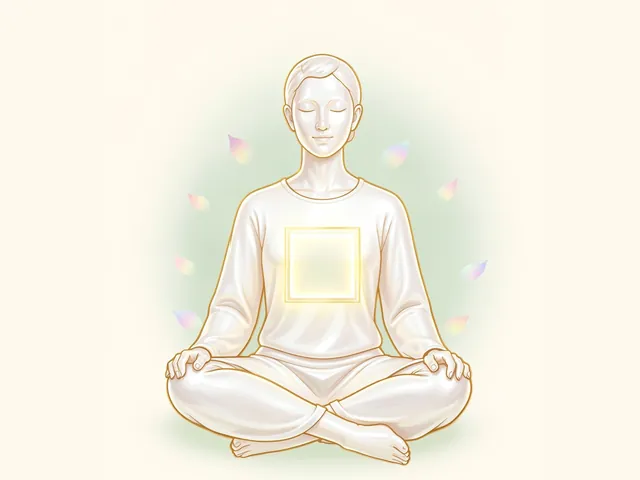
Starting yoga can feel like walking into a room where everyone already knows the words. In truth, you need very little. A quiet corner, a mat or folded blanket, and the patience to go slowly are enough. This guide explains what yoga is and what research suggests it may offer. It also shows you how to plan a peaceful first week.
What yoga really is
Yoga grew out of Indian thought and began as a spiritual path. Today it is also widely used to look after body and mind [1]. Most modern classes mix three things [1]. These are yoga poses (asanas), breath practice (pranayama) and meditation, which means quiet focus of the mind. Styles vary a lot, from slow and soothing to fast and sweaty [1]. So two classes both called yoga can feel very different. Hatha is one of the best-known styles [3]. It usually starts with breathing, moves on to poses, and ends with a quiet rest. This rest is called savasana (resting pose lying on your back). That simple shape of breathe, move, rest is a lovely pattern to copy at home.
What yoga may offer you
The U.S. National Center for Complementary and Integrative Health has looked at the research [1]. It says yoga may support everyday health by easing stress and helping you build better habits. It may also help with mood, sleep and balance. Harvard Health describes a small group of adults who were not active [3]. After eight weeks of regular sessions, they had gained strength, flexibility and fitness. Think of these as possible gains, not promises. What you notice will depend on your body and the style you choose. Most of all, it depends on how often you come back to the mat.
Peace begins with the breath
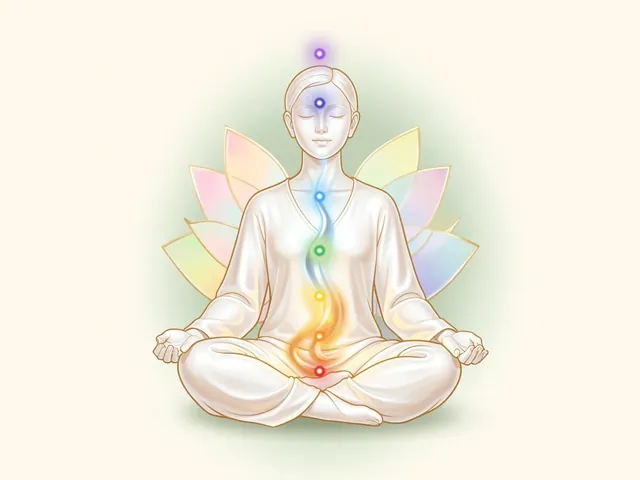
Before any pose, sit tall and let your shoulders soften. For a minute, simply watch the air move in and out without changing it. Then let each out-breath become a little longer than the in-breath. Harvard Health describes working at your edge [3]. This means enough effort to feel challenged, but never so much that you feel swamped. Keep your attention resting on the breath. If you like counting, our Box Breathing guide gives you an easy, even rhythm. Alternate Nostril Breathing is a gentle, traditional practice. Many people enjoy it at the end of a session.
Build a routine you can keep
The NHS suggests adults move in some way every day [2]. It also suggests muscle-strengthening work on at least two days a week, and breaking up long spells of sitting. A short yoga session can be one friendly part of that mix. Begin with ten to fifteen minutes, three times a week. Try to keep the same time of day so it becomes a habit. Keep a tiny notebook. After each session, write down one word, such as calm, stiff, sleepy or bright. Over a few weeks, those words tell you more than any app.
Balance on the mat and in life
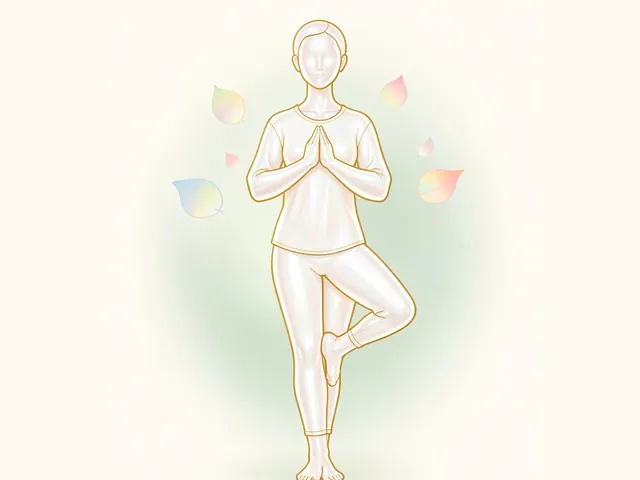
Standing on one leg is humbling at first, and that is perfectly fine. NCCIH describes a 2014 review of 15 studies in healthy people [1]. In 11 of them, yoga improved at least one result linked to balance. Newer research points the same way for older adults living at home. Try Tree Pose next to a wall, with your foot resting low on the ankle or calf. The Bhagavad Gita (6.16-17), an old Indian holy text, offers a similar lesson for daily life. It says yoga is not for someone who eats, sleeps or strives too much. Nor is it for someone who does far too little. Moderation, or not too much and not too little, is the practice.
Safety first
Yoga is seen as generally safe for healthy people when done with care and a qualified teacher [1]. But injuries can happen, most often sprains or strains around the knee and lower leg. As a beginner, leave extreme practices for later [1]. These include headstands, shoulder stands, full lotus and forceful breathing. The NHS says to check with your doctor before you start if you have not been active for some time [2]. This also applies if you have any medical worries. Please ask your doctor before you begin if you are pregnant or have a heart problem or epilepsy. The same goes if you have had recent surgery or are in a mental-health crisis. Stop and rest if you feel dizzy, short of breath or any sharp pain.
Try it: simple steps
- Choose a quiet spot and lay down a mat or folded blanket.
- Sit comfortably and watch your natural breath for one minute.
- Make each out-breath a little longer for another two minutes.
- Move gently: roll your shoulders, and circle your wrists and ankles.
- Try one balance pose beside a wall for five slow breaths on each side.
- Lie on your back and rest fully for three to five minutes.
- Write one word about how you feel, then carry on with your day.
Questions people ask
How often should a beginner practise yoga?
Three short sessions a week is a kind, realistic start. Regular gentle practice tends to be more useful than one long, tiring session.
Do I need to be flexible to start yoga?
Not at all. You may become more flexible along the way, but you do not need to be flexible to start. Use cushions, blocks or a wall, and only go as far as feels comfortable.
Can I learn yoga at home?
Many people begin at home with short, simple routines. If you can, take a few classes with a qualified teacher. This is a good way to learn how to hold poses safely early on.
Sources
- NCCIH: Yoga - Effectiveness and Safety · U.S. National Institutes of Health
- NHS: Physical activity guidelines for adults aged 19 to 64 · NHS (UK)
- Harvard Health: Yoga benefits beyond the mat · Harvard Health Publishing
Written with AI assistance from the sources above, then checked for copied text and risky health claims. How we write
Practise it here
Related reading
This is general wellness information, not medical advice. Move slowly, never force a pose or a breath, and stop if you feel pain, dizziness or breathlessness. If you are pregnant, have high blood pressure, heart, lung or eye conditions, or recent surgery, ask your doctor before starting.