 Prana Path
Morning Yoga for Beginners: Start Your Day with Serenity
Mornings set the tone for the rest of the day. A short, unhurried yoga routine can wake up stiff muscles and steady your breathing. It also gives you a few quiet minutes before the phone starts buzzing. This 15-minute routine starts in bed. It needs no equipment and suits complete beginners.
Why a morning routine helps
The NHS encourages adults to be active in some way every day [2]. It also suggests breaking up long spells of sitting or lying down. A few minutes of yoga after waking is an easy way to do this before life gets busy. The U.S. National Center for Complementary and Integrative Health has looked at the research [1]. It suggests yoga may help with stress, mood, sleep and balance. Mornings are also easier to protect, as there are fewer interruptions. A routine done at the same time each day soon feels as natural as brushing your teeth.
Minutes 1 to 3: belly breathing before you get up
Stay lying on your back with your knees bent. Place one palm high on your chest and the other on your belly, just below the ribs [3]. Breathe in slowly through your nose. Feel the lower hand lift as your belly rises, while the upper hand stays fairly still [3]. Then let the air flow out softly. Cleveland Clinic calls this diaphragmatic or belly breathing, and says it can help you relax [3]. It may feel like hard work at first, which is normal [3]. With practice, it starts to happen by itself. Ten slow breaths are enough to begin.
Minutes 4 to 8: wake up the spine
Sit up slowly and come onto your hands and knees on the floor or a mat. Move through Cat-Cow. As you breathe in, let your belly soften down and lift your gaze. As you breathe out, round your back and tuck your chin. Do six rounds. Then sink back into Child's Pose for five breaths. Next, sit on a chair or the edge of the bed. Gently turn your head to look over one shoulder, then the other, a few times each. Keep every movement in a comfortable range. Joints like to warm up slowly in the morning.
Minutes 9 to 12: stand tall and find your balance
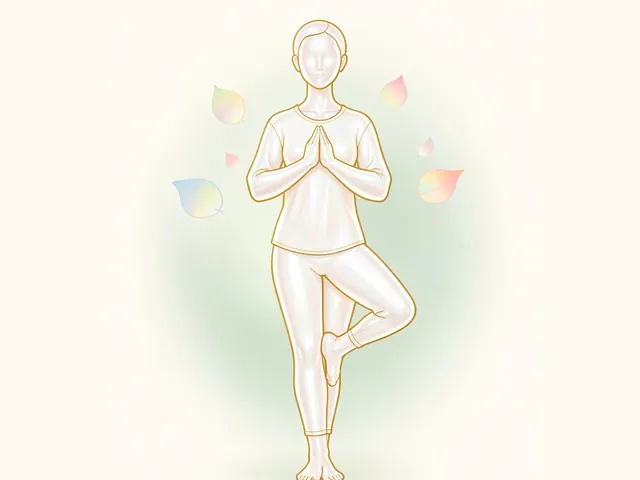
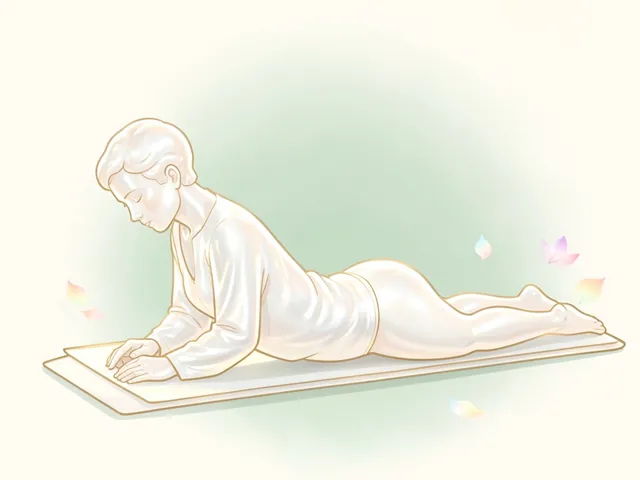
Stand in Mountain Pose with your feet hip-width apart and your weight spread evenly. Raise your arms as you breathe in and lower them as you breathe out, five times. Then try Tree Pose with a hand on the wall. Rest your foot on the ankle or calf for five breaths on each side. If you have a few extra minutes, lie on your front. Do three small lifts in Cobra Pose, keeping your elbows bent and the movement low. Balance feels different every morning. So meet it with curiosity, not judgement.
Minutes 13 to 15: a quiet close
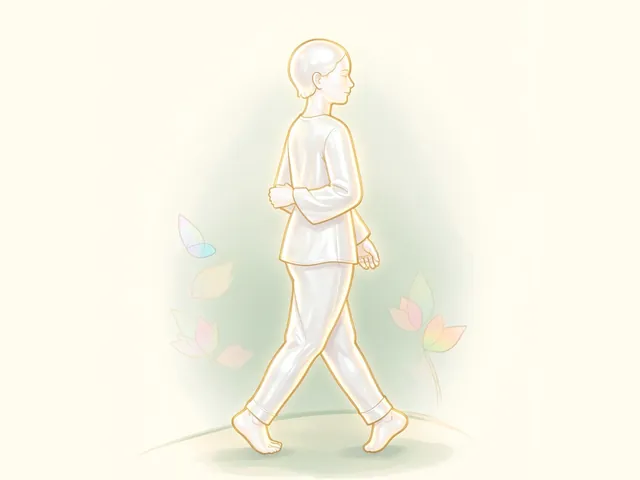
Sit comfortably, close your eyes and let your breath settle into an easy rhythm. Notice three things. Feel your feet on the floor and listen to the sounds around you. Then think of one thing you are looking forward to today. When you are ready, open your eyes. On days with more time, step outside for a few minutes of Walking Meditation. Match your steps to your breath. Cleveland Clinic suggests short belly-breathing practice several times a day while you are learning [3]. So you can repeat the opening breaths at your desk later.
Safety first
Yoga is generally seen as safe for healthy people when done properly [1]. It is best with guidance from a qualified teacher. The most common problems are sprains and strains. Beginners are advised to avoid extreme practices such as headstands and forceful breathing [1]. Get out of bed slowly, as some people feel light-headed when they stand up quickly. Talk to your doctor before starting if you are pregnant or have a heart problem. Do the same if you have epilepsy, have had surgery lately, or are in a mental-health crisis. The NHS also suggests a word with your doctor if you have not been active for a long time [2]. Stop if you feel dizzy or any pain.
Try it: simple steps
- In bed: ten slow belly breaths, one hand on the chest, one below the ribs.
- On hands and knees: six rounds of Cat-Cow.
- Rest in Child's Pose for five breaths.
- Seated: slow head turns to each side.
- Standing: five arm raises with the breath, then Tree Pose by a wall.
- Optional: three low lifts in Cobra Pose.
- Sit quietly for two minutes and set one kind goal for the day.
Questions people ask
Should I do morning yoga before or after breakfast?
Many people like a light, gentle session before eating. Others wait a while after a small breakfast. Choose whatever lets you move comfortably.
Is 15 minutes of yoga in the morning enough?
For a beginner, a regular 15-minute routine is a lovely start. Showing up most days matters more than the length of any one session.
What if I feel stiff when I wake up?
Start with the breathing and the smallest movements, and let your body warm up slowly. Never push into a stretch that feels sharp or painful.
Sources
- NCCIH: Yoga - Effectiveness and Safety · U.S. National Institutes of Health
- NHS: Physical activity guidelines for adults aged 19 to 64 · NHS (UK)
- Cleveland Clinic: Diaphragmatic Breathing · Cleveland Clinic
Written with AI assistance from the sources above, then checked for copied text and risky health claims. How we write
Practise it here
Related reading
This is general wellness information, not medical advice. Move slowly, never force a pose or a breath, and stop if you feel pain, dizziness or breathlessness. If you are pregnant, have high blood pressure, heart, lung or eye conditions, or recent surgery, ask your doctor before starting.