 Prana Path
How to Reduce Stress and Tension: Gentle Daily Steps
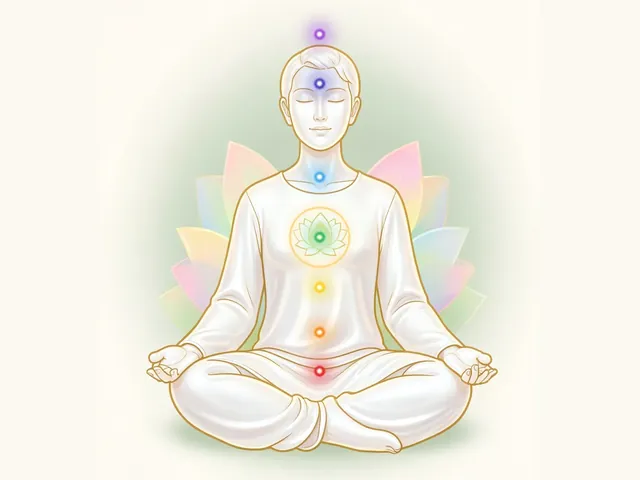
Everyone feels stressed or tense at times. The good news is that small, gentle habits can help you feel calmer. This guide shows simple ways to ease stress and tension, using breath, movement, and quiet focus.
This is general wellness information, not medical advice. Read our health disclaimer.
What Stress Does to Your Body
Your mind and body react when something hard or urgent is asked of you. That reaction is called stress [2]. Your body releases hormones (chemicals that carry messages in your blood). These can speed up your heart rate and raise your blood pressure [2]. A little short-term stress can help you meet a deadline [2]. But stress that lasts for weeks or months can harm your health [2]. If stress feels too big, please talk to a doctor.
Why Relaxing Helps
Your body has a natural calming mode. Experts call it the relaxation response [1]. It brings slower breathing, a lower heart rate, and lower blood pressure [1]. It is the opposite of the stress response [1]. Relaxation practices help you switch into this calm mode on purpose. Learning to relax is part of a healthy lifestyle [1].
Start With Slow Breathing
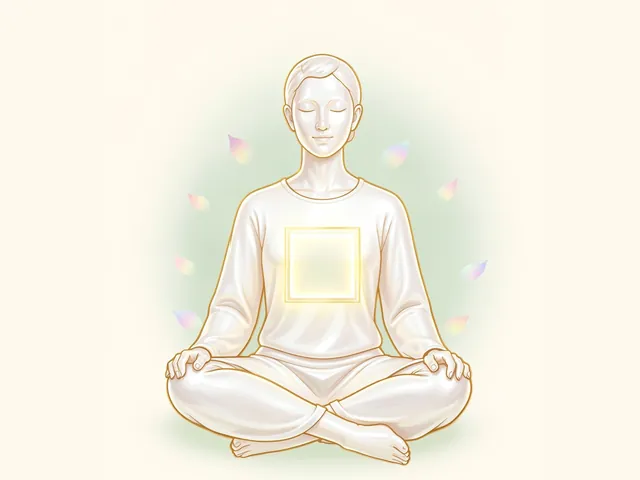
Breath is the easiest tool to reach for. One review found that slow breathing exercises gave a modest drop in blood pressure [1]. Another small review found early signs that belly breathing may help with stress [1]. Try Box Breathing (Sama Vritti), a steady pattern with equal counts for each part of the breath. You can also try Alternate Nostril Breathing (Nadi Shodhana), a gentle practice of breathing through one nostril at a time. If you feel dizzy, stop and breathe normally.
Release Tension With Muscle Relaxation
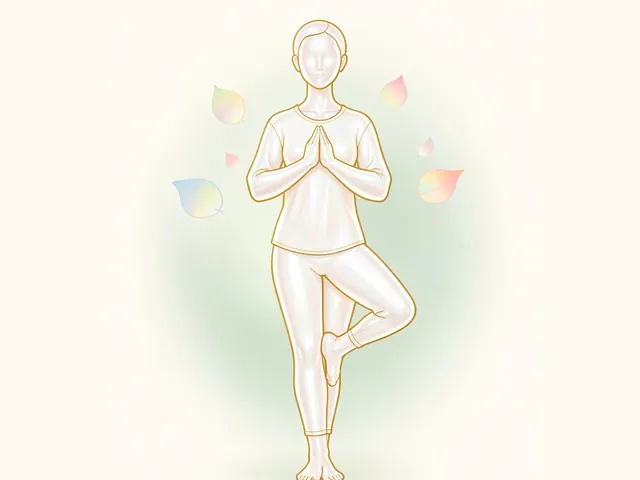
Tension often hides in the shoulders, jaw, and hands. Progressive muscle relaxation can help you notice it [1]. You tense one muscle group, then let it go [1]. Move slowly from your feet up to your face. Pair this with a few easy yoga poses, such as Tree Pose (Vrikshasana), which builds calm focus and balance. Cobra Pose (Bhujangasana) gently opens the chest. Move slowly and never push into pain.
Calm the Mind With Quiet Focus
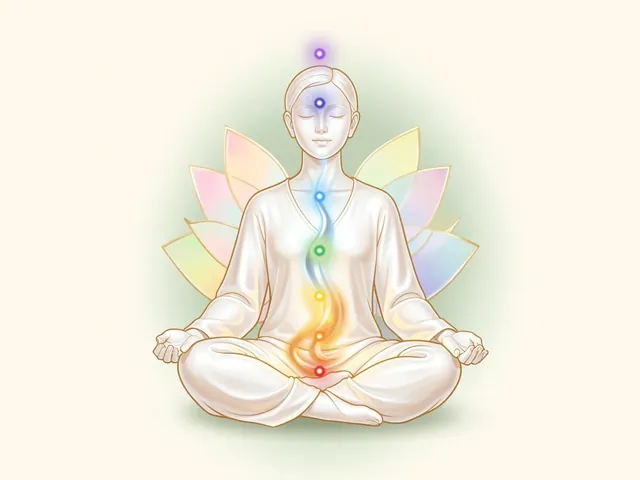
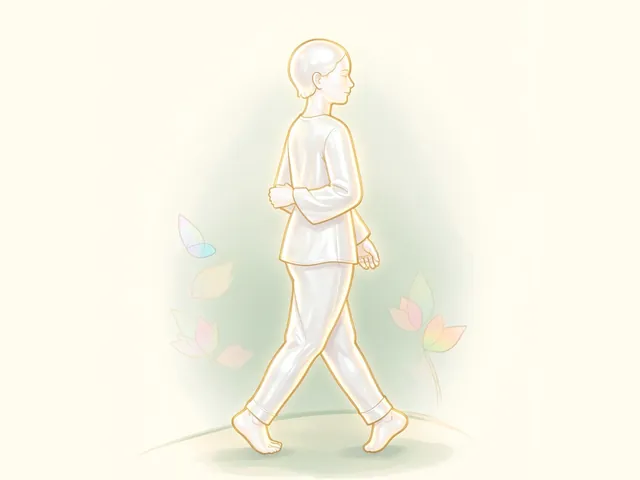
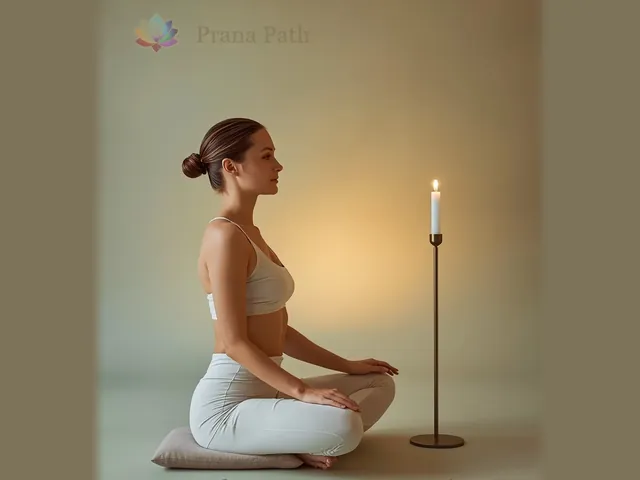
A busy mind keeps the body tense. Give your mind one simple thing to rest on. Walking Meditation (Chankramana) lets you relax while you move, paying attention to each step. Trataka (Candle Gazing) trains your attention by resting your eyes on a soft flame. Short sessions are enough when you start. Stress is a normal part of life [2], so be kind to yourself on hard days.
Find Balance, as the Gita Teaches
The Bhagavad Gita (an ancient Indian text) speaks about balance in daily life. In verses 6.16-17, it suggests that yoga works best when we avoid extremes in eating, sleeping, work, and rest. In simple words, do not overdo anything. Long stress often comes from constant demands that do not stop [2]. So build rest into your day, just as you build in work. Small, steady habits matter more than big, rare efforts.
Try it: simple steps
- Sit or lie down in a quiet spot.
- Breathe in slowly through your nose.
- Breathe out for a little longer than you breathed in.
- Tense your shoulders for a few seconds, then let them drop.
- Relax your jaw, face, and hands.
- Practise for five minutes, once or twice a day.
- Stop if you feel dizzy or unwell.
Questions people ask
What is the fastest way to reduce stress and tension?
Slow breathing is a simple place to start, because it can help your body switch to a calm state [1]. Breathe in gently, then breathe out a little longer. Do this for a few minutes.
Can yoga help with stress?
Gentle yoga, breathing, and quiet focus are relaxation practices that many people find calming [1]. They are not a cure for any illness. If stress lasts a long time, see a doctor.
When is stress a problem?
Stress that lasts for weeks or months can harm your health [2]. Causes can include work, money worries, or big life changes [2]. If it feels hard to cope, talk to a doctor or a health professional.
Sources
- NCCIH: Relaxation Techniques · U.S. National Institutes of Health
- MedlinePlus: Stress · U.S. National Library of Medicine
Written with AI assistance from the sources above, then checked for copied text and risky health claims. How we write
Practise it here
Related reading
This is general wellness information, not medical advice. Move slowly, never force a pose or a breath, and stop if you feel pain, dizziness or breathlessness. If you are pregnant, have high blood pressure, heart, lung or eye conditions, or recent surgery, ask your doctor before starting.