
Pranayama for Anxiety: Find Calm with Breathwork
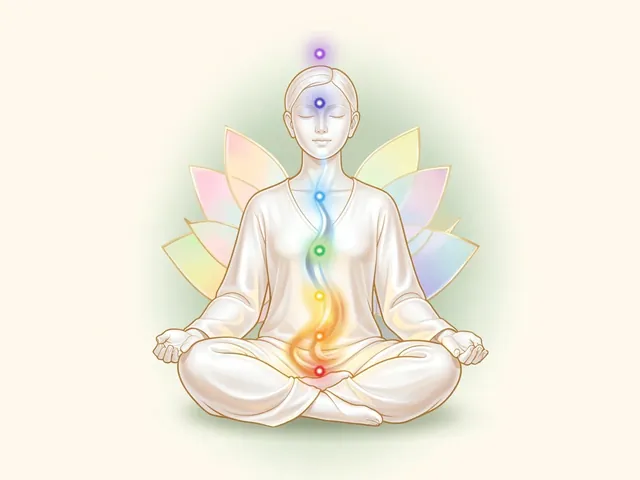
Pranayama means breath practice, or controlled breathing. It has been a key part of Indian health practices for hundreds of years. By working with the breath, we can find calm and balance in the middle of a busy life. This guide looks at the link between pranayama and anxiety. It also shows how simple breathing practices can help you feel more at peace.
What is anxiety?
Anxiety is a common mental health condition. It brings feelings of fear, dread and unease. It can also cause body signs, such as a fast heartbeat, sweating and restlessness. Anxiety is a normal response to stress. But it can become too much and get in the way of daily life.
How pranayama can help
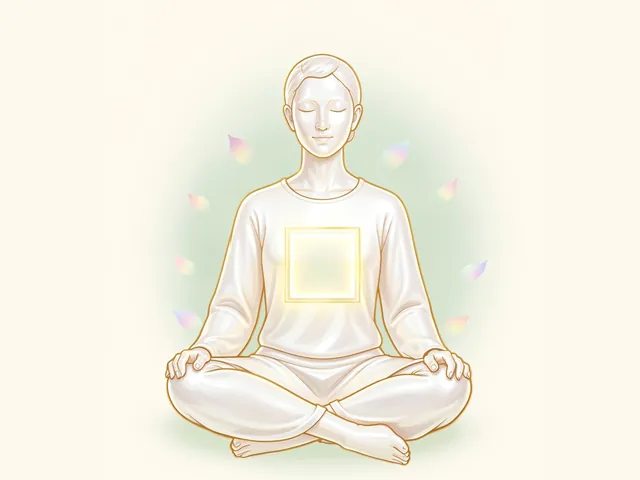
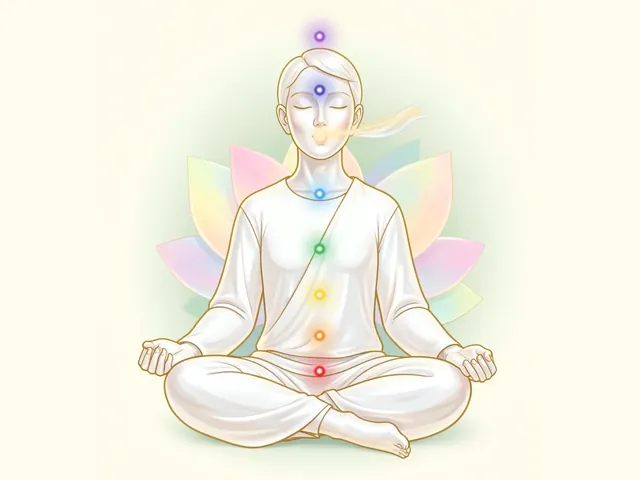
Research has found that pranayama can have a good effect on anxiety levels [1]. Slowing down your breathing and focusing on the present moment can calm the nervous system. This can help you feel less anxious. Our gentle breathing practices, such as Box Breathing and Bee Breath, can be very helpful. They can help you relax and lower stress.
Simple breathing to try
Try adding these simple steps to your day to help ease anxiety:
- Take slow, deep breaths through your nose, filling your lungs fully.
- Hold your breath for a few seconds, then breathe out slowly through your mouth.
- Repeat this a few times, noticing how your breath feels.
What regular practice may bring
Regular pranayama practice can bring a range of benefits for anxiety, such as:
- Less stress and anxiety
- Better mood and a calmer response to strong feelings
- Better focus
- More feelings of calm and relaxation
In short
Pranayama is a useful tool to help manage anxiety and find calm in daily life. Adding simple breathing practices to your routine can lower stress and anxiety. It can also help you feel more balanced and well.
Questions people ask
How can I start pranayama for anxiety?
Start by taking a few minutes each day to focus on your breath. Try adding simple practices like Box Breathing and Bee Breath to your day.
Will pranayama make my anxiety go away completely?
Pranayama can be a useful tool to help manage anxiety. But it does not replace professional help. If anxiety is hard for you, please talk to a health professional for advice that fits you.
Sources
- NCCIH: Relaxation Techniques · U.S. National Institutes of Health
- MedlinePlus: Anxiety · U.S. National Library of Medicine
Written with AI assistance from the sources above, then checked for copied text and risky health claims. How we write
Practise it here
Related reading
This is general wellness information, not medical advice. Move slowly, never force a pose or a breath, and stop if you feel pain, dizziness or breathlessness. If you are pregnant, have high blood pressure, heart, lung or eye conditions, or recent surgery, ask your doctor before starting.