 Prana Path
How to Sleep Better Sid Warrier: Gentle Tips
Many people search for how to sleep better with Sid Warrier because they want calm, simple guidance. This page shares general wellness ideas, not medical advice. If sleep problems last, please talk to a doctor.
This is general wellness information, not medical advice. Read our health disclaimer.
What happens when you sleep
Your brain and body stay active while you sleep. Sleep helps your body restore energy and supports learning and memory [1]. Your brain moves through light, deep and dream stages during the night [1]. Your breathing, heart rate and body temperature change in each stage [1]. You need all the stages for healthy sleep [1].
How much sleep do you need
The right amount depends on your age, lifestyle and health [1]. Adults aged 18 and over are generally advised to get 7 to 9 hours a day [1]. Teenagers need 8 to 10 hours [1]. Teen body clocks shift during puberty, so teens tend to fall asleep and wake later [1]. Use these numbers as a guide, not a strict rule.
Why good sleep is worth protecting
Certain parts of your night's rest leave you refreshed and full of energy when you wake up [1]. Others help you learn new things and form memories [1]. Sleep also gives your heart and blood vessels a rest [1]. It helps keep the hormones that control hunger and fullness in balance [1]. Your immune system (the body's defence against germs) also gets stronger while you sleep [1].
A gentle evening yoga routine
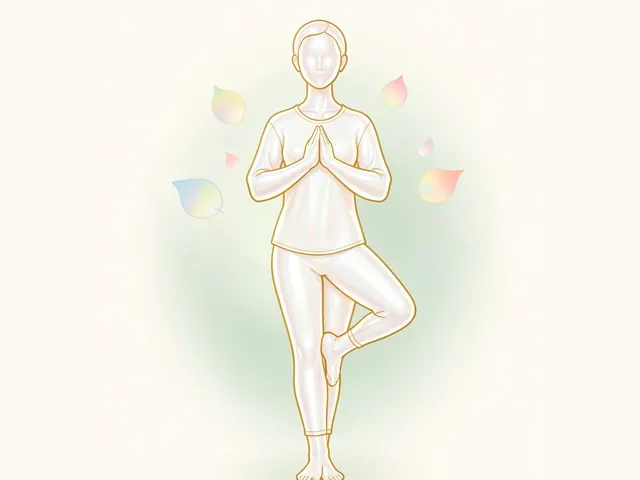
Slow, quiet movement can be a kind way to end the day. Try Tree Pose (Vrikshasana), a standing balance pose, near a wall for support. Follow it with Cobra Pose (Bhujangasana), a gentle back-bending pose. Move slowly and stop if anything hurts. Keep the room dim and quiet so your body knows the day is ending. Sleep is a natural process that your body already knows how to do [1].
Breath and meditation before bed
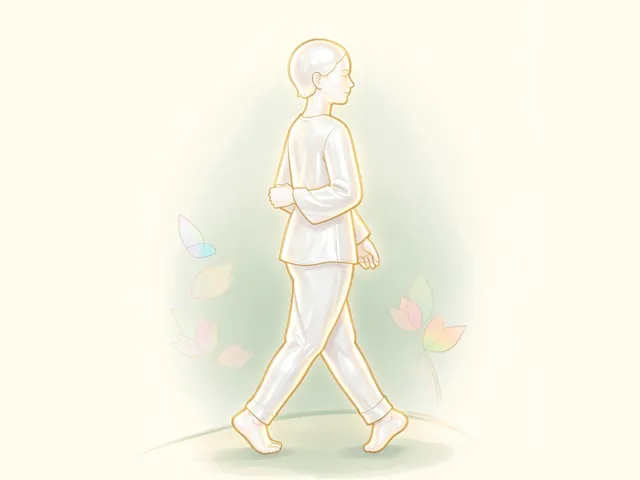
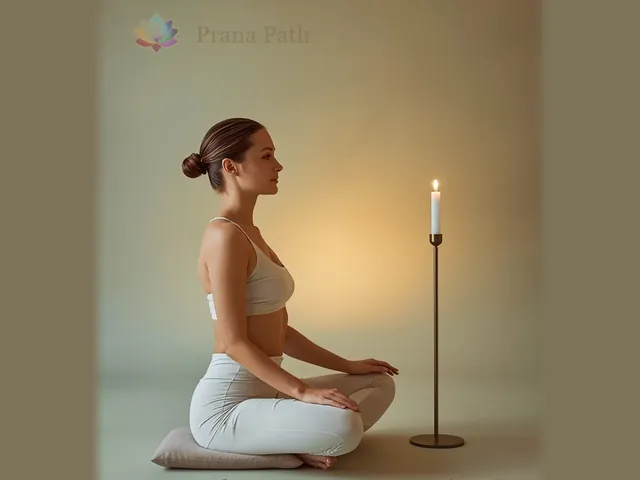
Breath and stillness can help you slow down at night. Try Box Breathing (Sama Vritti), which means breathing in, holding, out and holding for equal counts. You can also try Alternate Nostril Breathing (Nadi Shodhana), a breath practice that uses one nostril at a time. Bee Breath (Bhramari) uses a soft humming sound on the out-breath. For a quiet mind, try Walking Meditation (Chankramana) or Trataka (Candle Gazing), which means resting your eyes on a candle flame. Aim to give your body time to wind down before the hours of sleep it needs [1].
Balance, the Gita way
The Bhagavad Gita (an ancient Indian text) speaks of balance in Gita 6.16-17. In simple words, it says to avoid extremes in eating, resting, working and sleeping. Too little sleep and too much sleep both pull you off balance. A steady daily rhythm fits this idea well. Your body does important repair and memory work at night, so rest is part of a healthy day [1].
Try it: simple steps
- Pick a regular bedtime and wake time.
- Dim the lights an hour before bed.
- Put your phone away from the bed.
- Try Tree Pose (Vrikshasana) slowly, near a wall.
- Practise Box Breathing (Sama Vritti) for a few minutes.
- Rest your eyes on a candle with Trataka (Candle Gazing), if you like.
- See a doctor if poor sleep lasts for weeks.
Questions people ask
How many hours of sleep do adults need?
Adults aged 18 and over are generally advised to sleep 7 to 9 hours a day [1]. Your own needs depend on your age, lifestyle and health [1].
Why do teenagers find it hard to wake up early?
During puberty, teen body clocks shift [1]. Teens tend to fall asleep later and wake later, which can clash with early school starts [1].
Can yoga help me sleep better?
Gentle yoga, slow breathing and quiet meditation can be a calming end to your day. They are general wellness habits, not a treatment for sleep problems. If you struggle with sleep for weeks, please see a doctor.
Why does sleep matter for my health?
Sleep helps restore energy, supports memory and gives your heart and blood vessels a rest [1]. It also helps your immune system and your hunger hormones stay in balance [1].
Sources
- MedlinePlus: Healthy Sleep · U.S. National Library of Medicine
Written with AI assistance from the sources above, then checked for copied text and risky health claims. How we write
Practise it here
Related reading
This is general wellness information, not medical advice. Move slowly, never force a pose or a breath, and stop if you feel pain, dizziness or breathlessness. If you are pregnant, have high blood pressure, heart, lung or eye conditions, or recent surgery, ask your doctor before starting.