 Prana Path
How to Sleep Better During Pregnancy: Gentle Tips

Many people find sleep harder during pregnancy. This is common, and small calm habits can help you rest. This guide shares gentle ideas from yoga and daily life. It is general wellness advice, not medical care.
This is general wellness information, not medical advice. Read our health disclaimer.
Why sleep matters for you
Your brain and body stay busy while you sleep. Sleep helps your body restore energy and supports learning and memory [1]. It also helps your immune system, which is the body's defence against germs [1]. Most adults need about 7 to 9 hours a day [1]. Your own needs may be different, so listen to your body and rest when you can.
Build a calm bedtime routine
A steady routine tells your body that the day is ending. Go to bed and wake up at similar times each day. Dim the lights an hour before bed and put your phone away. Try a warm (not hot) drink, soft music or a gentle chat. Your brain cycles through light and deep sleep stages all night, and you need all of them for healthy rest [1].
Try soft breathing before bed
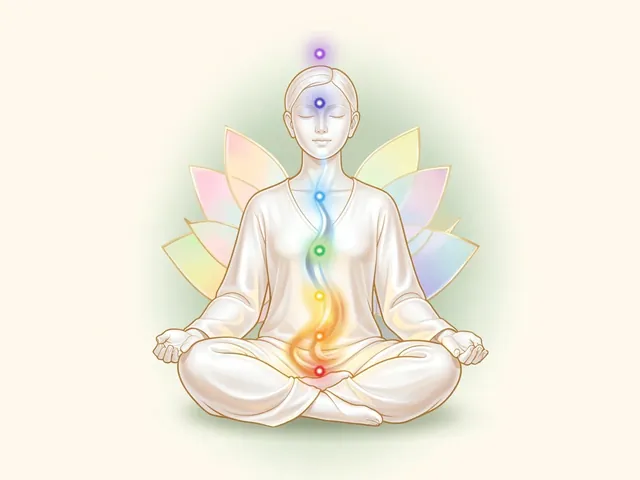
Slow breathing can help you feel calm. Pranayama (breath practice) is a good place to start. Try Bee Breath (Bhramari), where you hum softly on the out-breath. Alternate Nostril Breathing (Nadi Shodhana) is another calm choice. Keep every breath easy and never strain. Stop if you feel dizzy, and breathe normally. Sleep gives your heart and blood vessels a rest, so a quiet mind at bedtime is a kind gift to your body [1].
Move gently during the day
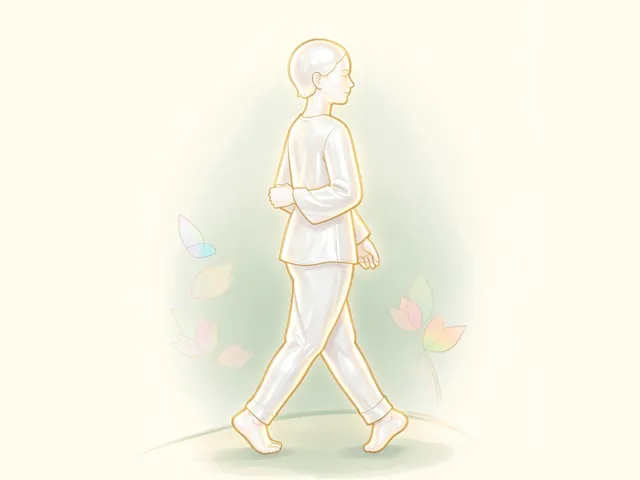
Light movement can help you feel ready for rest at night. Try Walking Meditation (Chankramana), which means walking slowly and noticing each step. A short walk outdoors is a gentle way to begin. Skip any pose that feels strained or uncomfortable. Poses that need you to lie on your belly, such as Cobra Pose (Bhujangasana), are not a good fit for pregnancy. Ask your midwife or doctor which movement is right for you. Rest is part of how the body repairs muscle and tissue [1].
Quiet the busy mind
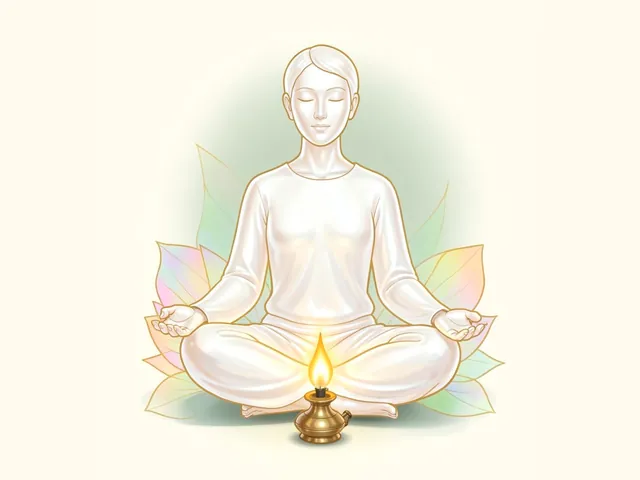
Worries can keep you awake. A short sitting practice can help you settle. Try Bhagavad Gita Meditation (Dhyana, which means meditation), where you rest your attention on one calm thought. The Bhagavad Gita (an ancient Indian text) speaks of balance in eating, rest and effort (Gita 6.16-17). You do not need to sleep perfectly or work perfectly. Aim for steady, kind habits. Good sleep also helps your body keep hormones in healthy balance [1].
Make your bed comfortable and know when to ask for help
Keep your room dark, cool and quiet. Use extra pillows to support your body in a position that feels comfortable. Ask your midwife or doctor about the best sleeping position for you. If you still cannot sleep, feel very tired in the day, or feel worried, talk to a health professional. Sleep needs vary with age, lifestyle and health, so your own needs may be different from the general advice [1].
Try it: simple steps
- Go to bed and wake up at similar times.
- Dim the lights and put your phone away an hour before bed.
- Have a warm, non-hot drink or listen to soft music.
- Practise Bee Breath (Bhramari) for a few easy rounds.
- Take a short, gentle walk during the day.
- Use pillows to support your body comfortably.
- Talk to your midwife or doctor if sleep stays hard.
Questions people ask
How many hours of sleep do I need?
Adults in general need about 7 to 9 hours a day [1]. Your own needs may differ during pregnancy. Ask your midwife or doctor what is right for you.
Is yoga safe for sleep during pregnancy?
Gentle breathing and slow walking are often calming. Every pregnancy is different, so check with your midwife or doctor first. Avoid any pose that feels uncomfortable.
Why is sleep so important?
Sleep helps your body restore energy and supports memory [1]. It also supports your immune system and helps keep your hormones balanced [1].
When should I see a doctor about my sleep?
Speak to a health professional if you cannot sleep for many nights or feel worried. They can check on you and give safe advice for your situation.
Sources
- MedlinePlus: Healthy Sleep · U.S. National Library of Medicine
Written with AI assistance from the sources above, then checked for copied text and risky health claims. How we write
Practise it here

Related reading
This is general wellness information, not medical advice. Move slowly, never force a pose or a breath, and stop if you feel pain, dizziness or breathlessness. If you are pregnant, have high blood pressure, heart, lung or eye conditions, or recent surgery, ask your doctor before starting.