 Prana Path
How to Do Bhastrika Pranayama: Simple Steps
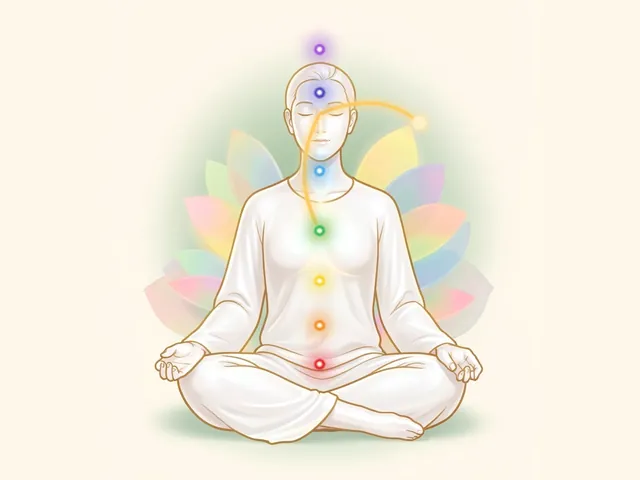
Bhastrika (bellows breath) is a lively breathing practice from the yoga tradition. You breathe in and out with quick, even pumps, like a blacksmith's bellows. This guide shows you how to do bhastrika pranayama (breath practice) slowly and safely, even if you are new.
This is general wellness information, not medical advice. Read our health disclaimer.
What Is Bhastrika Pranayama?
Pranayama (breath practice) means guiding your breath with care. Bhastrika is the Sanskrit word for bellows. In this practice, you pump air in and out through your nose with a steady rhythm. It feels bright and awake. Many calming methods aim for slower breathing and a lower heart rate [1]. Bhastrika is brisk, so it feels different from those quiet practices.
Who Should Wait or Ask a Doctor First
Fast breathing is not right for everyone. Please speak with your doctor first if you have heart problems, high blood pressure, asthma, epilepsy, or eye problems. Skip it if you are pregnant or feel dizzy. Gentle relaxation methods work by slowing the breath [1]. If you want that feeling, choose a slower practice instead. Stop at once if you feel faint, tingly, or unwell.
How to Do Bhastrika Step by Step
Sit tall on a chair or cushion. Rest your hands on your knees and relax your shoulders. Breathe in and out through your nose with short, even pumps, using your belly. Start slowly, about one breath every second. After ten breaths, pause and breathe normally. Slow, natural breathing is a core part of the body's relaxation response [1].
Common Mistakes to Avoid
Many beginners go too fast. Speed is not the goal. Keep your face, neck and shoulders soft, and let your belly do the work. Do not force the breath or hold it for long. If your chest heaves or your head spins, slow right down. Calm, smooth breathing helps the body move away from the stress response [1].
How to Calm Down Afterwards
After your rounds, sit quietly and let your breath return to normal. Then try a gentler practice. Alternate Nostril Breathing (Nadi Shodhana) is a slow, even breath through one nostril at a time. Bee Breath (Bhramari) uses a soft humming sound on the out-breath. Both slow your pace, which fits the relaxation response described by health experts [1]. You can also finish with a minute of stillness.
Balance, Moderation and the Gita
The Bhagavad Gita (a sacred Indian text) teaches balance in verses 6.16 and 6.17. It says yoga works best when we avoid too much or too little of anything, such as food, sleep and effort. Bhastrika is a good place to practise this idea. Start small, stop before you are tired, and build up slowly. Pairing a lively practice with a calm one also keeps your day balanced, since relaxation methods help the body settle [1].
Try it: simple steps
- Sit tall on a chair or cushion with your hands on your knees.
- Relax your face, neck and shoulders.
- Breathe in through your nose and let your belly expand.
- Breathe out through your nose and let your belly gently draw in.
- Repeat with short, even pumps for about ten breaths.
- Pause and breathe normally for a few moments.
- Finish with slow breaths or Alternate Nostril Breathing (Nadi Shodhana).
Questions people ask
How long should I practise bhastrika as a beginner?
Start with one short round of about ten breaths. Rest and breathe normally afterwards. Add more only when you feel steady and comfortable.
What is the difference between bhastrika and kapalabhati?
Both are fast breaths. In bhastrika, the in-breath and out-breath have equal force. In kapalabhati (skull-shining breath), the out-breath is sharp and the in-breath is soft.
When is the best time to do bhastrika pranayama?
Many people prefer the morning on an empty stomach. Wait a few hours after a meal. Avoid it close to bedtime, because it feels lively rather than sleepy.
Can bhastrika help me relax?
Bhastrika is lively, not calming on its own. Relaxation methods usually involve slower breathing [1]. Finish with a slow breath practice such as Bee Breath (Bhramari) to settle.
Sources
- NCCIH: Relaxation Techniques · U.S. National Institutes of Health
Written with AI assistance from the sources above, then checked for copied text and risky health claims. How we write
Practise it here
Related reading
This is general wellness information, not medical advice. Move slowly, never force a pose or a breath, and stop if you feel pain, dizziness or breathlessness. If you are pregnant, have high blood pressure, heart, lung or eye conditions, or recent surgery, ask your doctor before starting.