 Prana Path
How to Do Kumbhaka Pranayama: A Gentle Guide
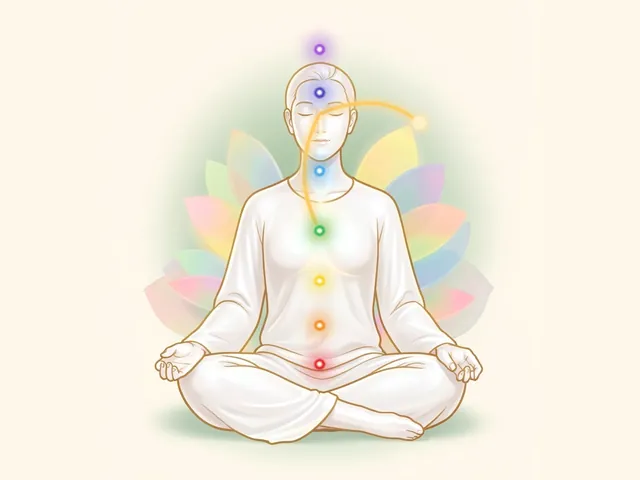
Kumbhaka (breath holding) is a quiet part of pranayama (breath practice). This guide shows you how to do kumbhaka pranayama in a slow, gentle way. You need no experience, and you should never strain.
This is general wellness information, not medical advice. Read our health disclaimer.
What Is Kumbhaka Pranayama?
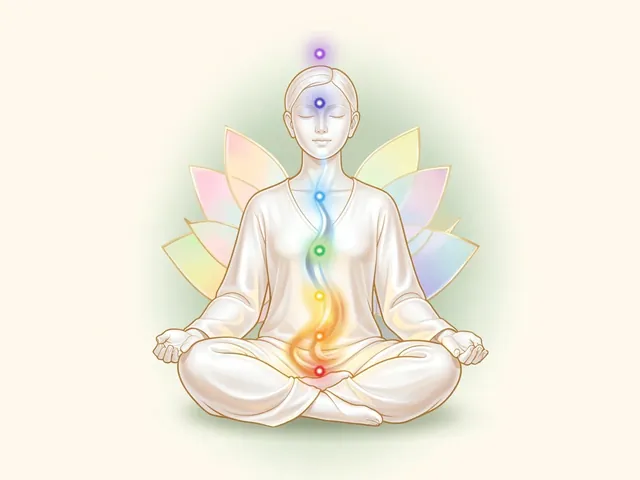
Pranayama (breath practice) is an old part of yoga from India. Kumbhaka means a pause in the breath. You breathe in or out, and then you rest for a moment before the next breath. There are two main kinds. Antara kumbhaka (inner hold) is a pause after you breathe in. Bahya kumbhaka (outer hold) is a pause after you breathe out. Beginners should start with a very short inner hold, or with no hold at all.
Why Slow Breathing Can Feel Calming
Many people use slow breathing to relax. Experts describe a calm state in the body, with slower breathing, a lower heart rate and lower blood pressure [1]. This calm state is the opposite of the body's stress mode [1]. Gentle breath practice is one way people reach it. Kumbhaka is not a cure for any health problem. Think of it as a quiet pause in your day.
Before You Begin: Stay Safe
Choose a quiet place. Sit on a chair or on the floor with a tall, easy spine. Eat nothing heavy for two hours before you practise. Never force a hold or chase a long pause. If you feel dizzy, tight or worried, stop and breathe normally. Please talk to your doctor first if you have a heart, lung or blood pressure problem, or if you are pregnant. Relaxation practices should feel easy, not tense [1].
How to Practise Antara Kumbhaka Step by Step
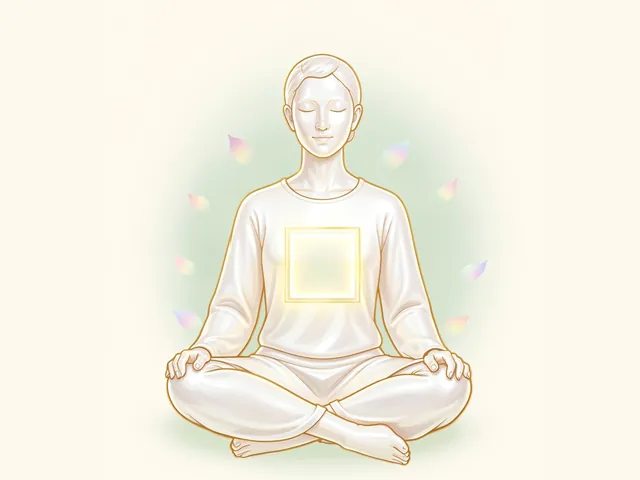
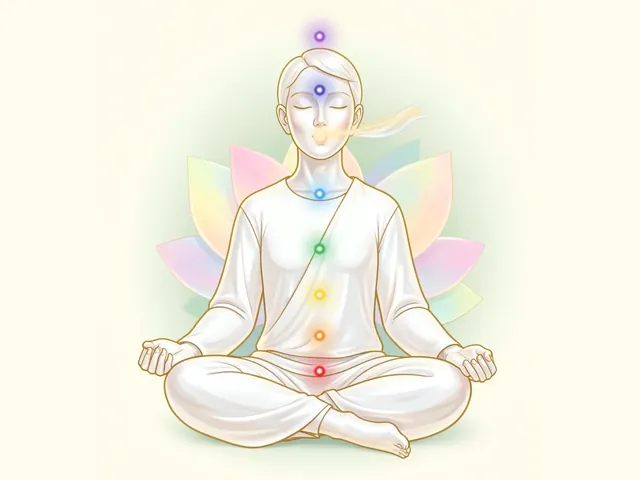
Start with a few normal breaths so your body settles. Then breathe in slowly through your nose. Pause for a short, comfortable moment. Breathe out slowly and fully. The pause should never feel like a struggle. If you want a simple rhythm to learn first, try Box Breathing (Sama Vritti). It uses equal counts for the in-breath, the pause and the out-breath. This steady pattern is a calm way to prepare for kumbhaka [1].
Balance and Moderation: A Lesson from the Bhagavad Gita
The Bhagavad Gita (6.16-17) teaches balance. It says yoga suits a person who is moderate in eating, sleeping, rest and effort. Breath holding follows the same rule. A little, done calmly, is better than a lot done with strain. Many people choose practices that bring ease, because relaxation methods aim to create calm [1]. Stay with a pause that feels kind to your body.
Build a Calm Daily Routine
Practise for a few minutes at the same time each day. Short and regular practice works better than one long session. Begin with Alternate Nostril Breathing (Nadi Shodhana) to settle the mind. You can also finish with Bee Breath (Bhramari), a soft humming breath. End by sitting in stillness and noticing how you feel. Slow, steady breathing is a simple way to invite calm [1]. Be patient, and let your practice grow slowly.
Try it: simple steps
- Sit comfortably with a straight, relaxed spine.
- Close your eyes and take five normal breaths.
- Breathe in slowly through your nose.
- Pause for a short, easy moment.
- Breathe out slowly through your nose.
- Rest with two normal breaths.
- Repeat a few times, then stop and sit quietly.
Questions people ask
How long should I hold my breath in kumbhaka?
Start with a very short pause, or none at all. The pause should always feel easy. Never push for longer, and stop if you feel dizzy.
Is kumbhaka pranayama safe for beginners?
Gentle practice with short pauses is usually fine for healthy adults. Ask your doctor first if you have heart, lung or blood pressure problems, or if you are pregnant.
When is the best time to practise kumbhaka?
Many people like the morning, before breakfast, or the evening on an empty stomach. Pick a quiet time when you feel unhurried.
Can kumbhaka help me relax?
Slow, calm breathing is one way to bring on a relaxed state, with slower breathing and a lower heart rate [1]. Kumbhaka does not treat or cure any illness.
Sources
- NCCIH: Relaxation Techniques · U.S. National Institutes of Health
Written with AI assistance from the sources above, then checked for copied text and risky health claims. How we write
Practise it here
Related reading
This is general wellness information, not medical advice. Move slowly, never force a pose or a breath, and stop if you feel pain, dizziness or breathlessness. If you are pregnant, have high blood pressure, heart, lung or eye conditions, or recent surgery, ask your doctor before starting.