 Prana Path
How to Do Nadi Shodhana Pranayama: Step by Step
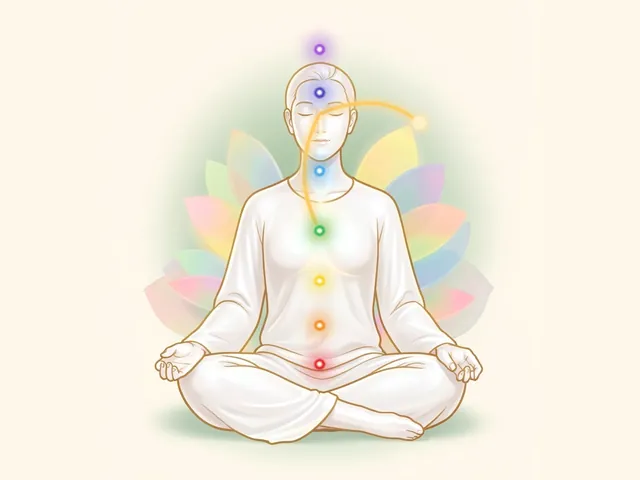
Nadi shodhana pranayama (alternate nostril breath practice) is a slow, calm way to breathe. You breathe in and out through one nostril at a time. This guide shows you how to do it safely, step by step.
This is general wellness information, not medical advice. Read our health disclaimer.
What Is Nadi Shodhana Pranayama?
Pranayama (breath practice) is part of hatha yoga, an old Indian path of body and breath work [2]. Nadi shodhana is one kind of pranayama. The name is often explained as channel-cleansing breath. In simple words, you switch your breath from one nostril to the other. The pace stays slow and even. Many people use it as a quiet pause in a busy day. It is a gentle way to practise slow breathing, which belongs to the wider family of relaxation techniques [1].
Why Slow Breathing Feels Calming
Relaxation techniques aim to bring on the relaxation response (the body's calm state). This state includes slower breathing, lower blood pressure and a slower heart rate [1]. It is the opposite of the stress response [1]. Nadi shodhana is a breath practice, so it fits this calm style of practice. It is not a medical treatment. If you have a health problem, please talk to your doctor first.
Get Ready Before You Start
Choose a quiet spot. Sit on a chair or on the floor with a straight, easy back. Rest your left hand on your left knee. Practise on an empty stomach, or a few hours after a meal. Keep your face, jaw and shoulders soft. Slow, easy breathing is the shared aim of relaxation practices [1]. If your nose is blocked or you feel unwell, skip this practice for today.
How to Do Nadi Shodhana Step by Step
Use your right hand for the nostril holds. Fold your index and middle fingers toward your palm. Your thumb will close the right nostril. Your ring finger will close the left nostril. Move slowly and keep your touch light. The full steps are listed below. If you want a guided page, see our Alternate Nostril Breathing (Nadi Shodhana) practice. This slow, even pace matches the calm, slower breathing that relaxation techniques aim for [1].
Common Mistakes and Gentle Tips
Do not force the breath. Do not hold your breath at first. Keep the in-breath and out-breath smooth and quiet. Stop if you feel dizzy, and return to normal breathing. Start with two or three minutes and add time slowly over many weeks. Relaxation practices work best when you stay relaxed, not strained [1]. Pregnant people and anyone with heart or lung problems should ask a doctor before trying breath practices.
Balance in Your Daily Practice
The Bhagavad Gita (Gita 6.16-17) teaches balance and moderation. In simple words, it says to avoid too much or too little of eating, sleeping and effort. Breath practice follows the same idea. Short, steady sessions are better than long, hard ones. You can pair nadi shodhana with Bee Breath (Bhramari), a humming breath, or with Box Breathing (Sama Vritti), an even-count breath. Both are also slow, relaxed practices [1]. Many people end with a short sit using Trataka (Candle Gazing) or Walking Meditation (Chankramana).
Try it: simple steps
- Sit comfortably with a tall spine and relaxed shoulders.
- Close your right nostril with your right thumb.
- Breathe in slowly through your left nostril.
- Close your left nostril with your ring finger, then lift your thumb.
- Breathe out slowly through your right nostril.
- Breathe in through the right, then switch and breathe out through the left. This is one round.
- Repeat for five to ten rounds, then breathe normally and rest.
Questions people ask
How long should I practise nadi shodhana?
Start with two or three minutes. Add a little time as it feels easy. Slow, relaxed breathing is the goal of relaxation techniques, so never strain [1].
Which nostril do I start with?
Most teachers start by breathing in through the left nostril. Then you switch with each breath. Follow your teacher's guidance if you have one.
Is alternate nostril breathing safe for beginners?
It is gentle for most healthy people when done slowly. Never force your breath. If you have a health problem, are pregnant or feel dizzy, speak to your doctor first [1].
Is nadi shodhana the same as anuloma pranayama?
They are close cousins. Both are alternate nostril breath practices in hatha yoga [2]. Teachers may use the names a little differently, so ask yours.
Sources
- NCCIH: Relaxation Techniques · U.S. National Institutes of Health
- Wikipedia: Anuloma pranayama · Wikipedia (background only)
Written with AI assistance from the sources above, then checked for copied text and risky health claims. How we write
Practise it here
Related reading
This is general wellness information, not medical advice. Move slowly, never force a pose or a breath, and stop if you feel pain, dizziness or breathlessness. If you are pregnant, have high blood pressure, heart, lung or eye conditions, or recent surgery, ask your doctor before starting.