 Prana Path
Breathwork for Athletes: A Gentle Beginner Guide
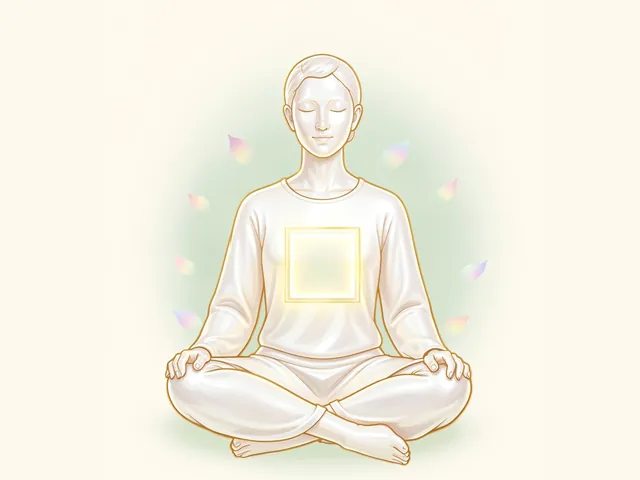
Athletes train their legs, arms and core. Many forget to train their breath. Breathwork (slow, planned breathing) is a calm, simple habit that fits around any sport. This guide shows you where to start.
This is general wellness information, not medical advice. Read our health disclaimer.
What Is Breathwork for Athletes?
Breathwork means breathing in a slow, planned way. You pay attention to each breath. Athletes can use it before training, after training or on rest days. It is a form of relaxation technique. Relaxation techniques are practices that help your body relax [1]. You need no gear and very little time.
Why Calm Breathing Fits Sport
Hard training puts your body under stress. Rest matters just as much as effort. Relaxation techniques aim to bring on the relaxation response. This is a state with slower breathing, lower blood pressure and a slower heart rate [1]. It is the opposite of the stress response [1]. Breathwork is one gentle way to invite that calm state. It is not a replacement for sleep, food or good coaching.
Three Gentle Breathing Practices to Try
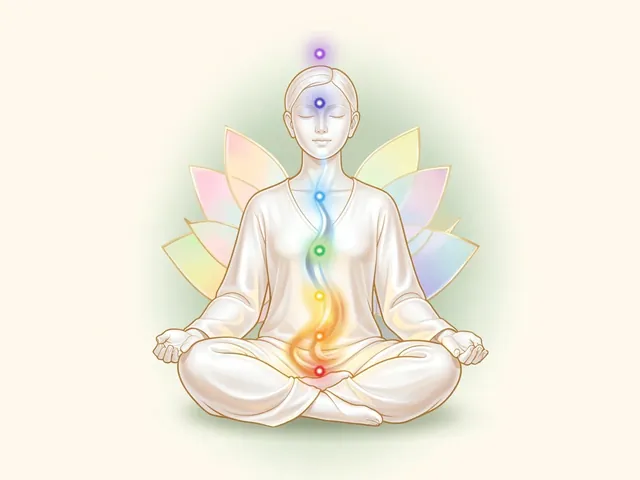
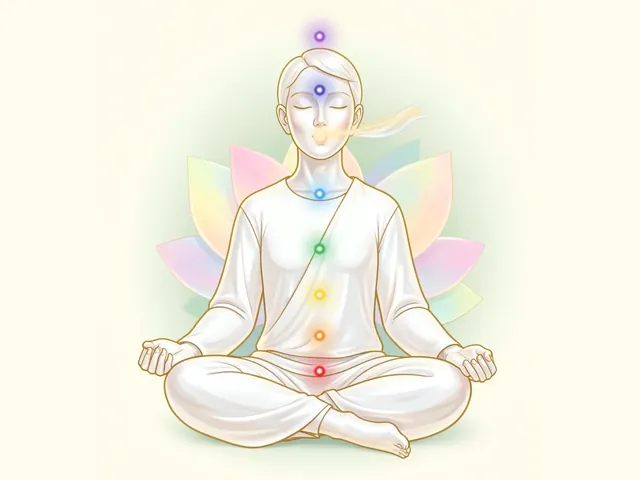
Start with Box Breathing (Sama Vritti), which means equal breathing. You breathe in, hold, breathe out and hold, all for the same count. Next, try Alternate Nostril Breathing (Nadi Shodhana), a practice of breathing through one nostril at a time. Then try Bee Breath (Bhramari), where you hum softly on the out-breath. All three are slow and quiet. Slower breathing is one sign of the relaxation response [1]. Keep each one easy and stop if you feel dizzy.
How to Fit Breathwork Into Your Training Week
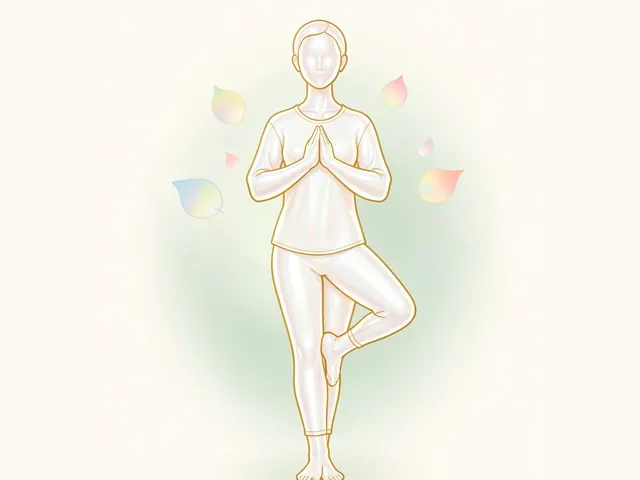
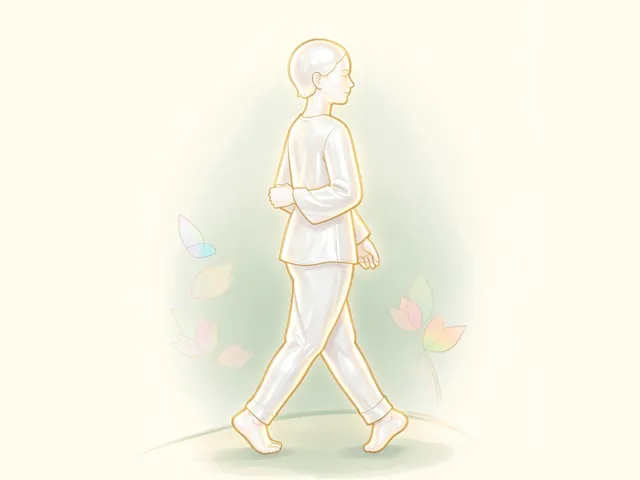
Pick one calm moment each day. Many athletes like the evening, after training. A few quiet minutes can help you switch from effort to rest. This matches the aim of relaxation techniques, which is to bring on a calmer body state [1]. You can add gentle movement too. Tree Pose (Vrikshasana) trains steady balance and slow breathing. Cobra Pose (Bhujangasana) opens the chest. Walking Meditation (Chankramana) lets you breathe calmly while you move slowly.
Balance and Moderation: A Lesson From the Gita
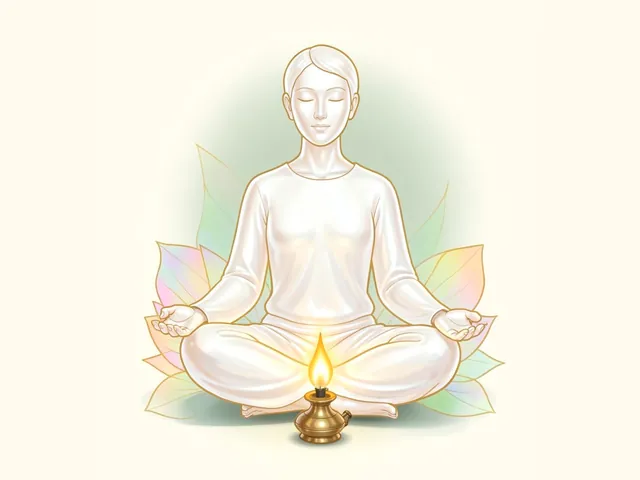
The Bhagavad Gita (an ancient Indian text) speaks about balance in Gita 6.16-17. In simple words, it says yoga suits a person who does not do too much or too little. This includes eating, sleeping, work and rest. Athletes can take the same lesson. Push hard, then rest well. Calm practice supports the rest side of that balance, because relaxation techniques work against the stress response [1]. For a quiet mind practice, try Bhagavad Gita Meditation (Dhyana, or meditation) or Trataka (Candle Gazing, a steady-gaze practice).
Stay Safe and Keep It Simple
Breathwork should feel easy. Never strain or force a long breath-hold. If you feel dizzy or unwell, return to normal breathing. Relaxation techniques are general wellness tools [1]. They do not replace medical care. Talk to a doctor first if you have a health problem, an injury or a heart or lung concern. A coach or doctor can guide your wider training plan.
Try it: simple steps
- Sit or lie down somewhere quiet.
- Relax your shoulders and jaw.
- Breathe in gently through your nose for a count of four.
- Breathe out slowly for a count of four.
- Repeat for two to three minutes.
- Notice how your body feels, then breathe normally.
- Stop at once if you feel dizzy.
Questions people ask
Is breathwork good for athletes?
Breathwork is a gentle relaxation habit that many athletes add to their routine. Relaxation techniques aim to bring on the relaxation response, with slower breathing and a slower heart rate [1]. It supports good rest but does not replace training or medical advice.
When should athletes do breathwork?
You can practise before training, after training or on rest days. Many people like a calm time in the evening. Choose the time that feels easiest to keep up.
How long should a breathwork session last?
Two to five minutes is plenty for a beginner. Short, regular sessions suit most people better than one long session. Stop if you feel dizzy or uncomfortable.
Which breathing practice is best for beginners?
Box Breathing (Sama Vritti) is a simple place to start because the counts are equal and easy to remember. It is a slow breathing practice, and slower breathing is part of the relaxation response [1]. Move on to Bee Breath (Bhramari) or Alternate Nostril Breathing (Nadi Shodhana) when you feel ready.
Sources
- NCCIH: Relaxation Techniques · U.S. National Institutes of Health
Written with AI assistance from the sources above, then checked for copied text and risky health claims. How we write
Practise it here
Related reading
This is general wellness information, not medical advice. Move slowly, never force a pose or a breath, and stop if you feel pain, dizziness or breathlessness. If you are pregnant, have high blood pressure, heart, lung or eye conditions, or recent surgery, ask your doctor before starting.