 Prana Path
Ayurvedic Diet for Jaundice: Gentle Eating Guide
Jaundice turns the skin and the whites of the eyes yellow [2]. Many people ask how Ayurveda (the traditional Indian system of health care) approaches food in this case. This guide shares gentle eating ideas and explains why a doctor must lead the way.
This is general wellness information, not medical advice. Read our health disclaimer.
What Jaundice Is and Why a Doctor Comes First
Jaundice makes the skin and the white part of the eye look yellow. It happens when too much bilirubin (a yellow substance from old red blood cells) builds up in the body [2]. The liver normally handles this substance. If the liver cannot keep up, the yellow colour shows [2]. Jaundice can be linked to liver disease, blocked bile ducts, infections or medicines, so it may be a sign of a problem [2]. Please see a doctor first. No diet can replace proper medical care.
How Ayurveda Looks at Food
Ayurveda sees food as part of daily balance. Cooks in this tradition often favour meals that are warm, fresh and easy to digest. They also pay attention to how you feel after eating. These ideas are cultural wisdom, not medical treatment. Modern guidance agrees that healthy eating can look different for each person, based on tastes, traditions and budget [1].
Light and Simple Meals to Consider
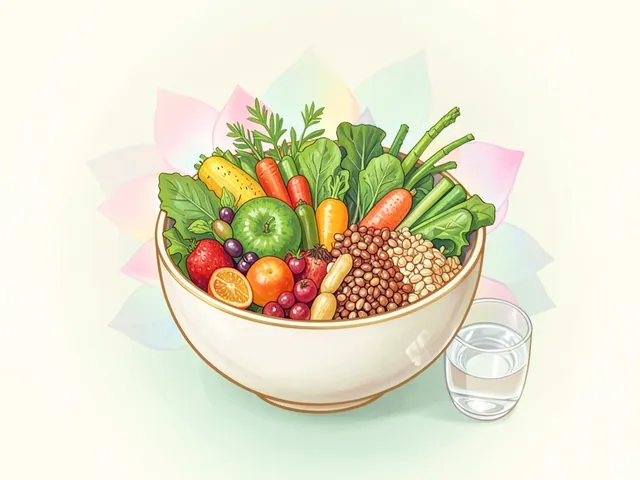
A traditional Ayurvedic kitchen often uses soft, plain dishes. Examples are cooked vegetables, rice, lentil soup (dal) and fresh fruit. Warm water and herbal teas are also common. Plain food is easy to prepare when you feel tired. Eating well means choosing foods that supply the fuel and goodness your body needs every day [1]. Ask your doctor or a dietitian which foods suit your own health needs.
Build Your Plate with Balance
You do not need a strict diet to eat well [1]. A balanced plate has a mix of proteins, carbohydrates, fats, vitamins, minerals and water [1]. Nutrition needs are not the same for everyone. They depend on age, activity level and health conditions [1]. With jaundice, the right food plan depends on the cause. Your health care provider can tell you what is safe for you [1].
Balance and Moderation in the Bhagavad Gita
The Bhagavad Gita (an ancient Indian spiritual text) teaches balance in verses 6.16 and 6.17. It says that eating too much or too little does not help the practice of yoga. It also warns against too much sleep and too little sleep. A steady middle path is the lesson. This fits well with calm, regular meals and good rest. Good nutrition also asks us to avoid too much of less healthy foods and to balance them with better choices [1].
Gentle Practices for Calm and Rest
Rest matters when you feel unwell, so keep movement easy and kind. Try Alternate Nostril Breathing (Nadi Shodhana) to settle your mind. A slow stroll with Walking Meditation (Chankramana) can also feel soothing. Stop if you feel tired or dizzy. These practices support calm and do not treat jaundice. Keep following your doctor's advice, because healthy eating and activity work best together [1].
Try it: simple steps
- See a doctor as soon as you notice yellow skin or eyes.
- Ask which foods are right for your cause of jaundice.
- Eat simple, freshly cooked meals.
- Drink water through the day.
- Avoid extreme or strict diets.
- Rest when your body asks for rest.
- Try slow breathing or a gentle walk if your doctor agrees.
Questions people ask
Can an Ayurvedic diet cure jaundice?
No. Jaundice can come from many causes, such as liver disease, infections or medicines [2]. A doctor must find the cause. Food can support daily health, but it does not replace care.
What foods are common in an Ayurvedic diet?
Ayurvedic meals often include warm, fresh and simple dishes, such as cooked vegetables, rice, dal and fruit. These are traditional choices, not medical advice. Ask your doctor what suits you.
Is jaundice normal in babies?
Many healthy babies have some jaundice in the first week of life, and it usually goes away [2]. It can also be a sign of a problem [2]. Always ask a doctor or nurse to check a baby.
Do I need a strict diet if I have jaundice?
Healthy eating does not usually need to be strict [1]. Your needs depend on your age, health conditions and goals [1]. Your health care provider can guide you.
Sources
- MedlinePlus: Nutrition · U.S. National Library of Medicine
- MedlinePlus: Jaundice · U.S. National Library of Medicine
Written with AI assistance from the sources above, then checked for copied text and risky health claims. How we write
Practise it here


Related reading
This is general wellness information, not medical advice. Move slowly, never force a pose or a breath, and stop if you feel pain, dizziness or breathlessness. If you are pregnant, have high blood pressure, heart, lung or eye conditions, or recent surgery, ask your doctor before starting.