 Prana Path
Healthy Indian Breakfast Recipes Vegetarian Ideas
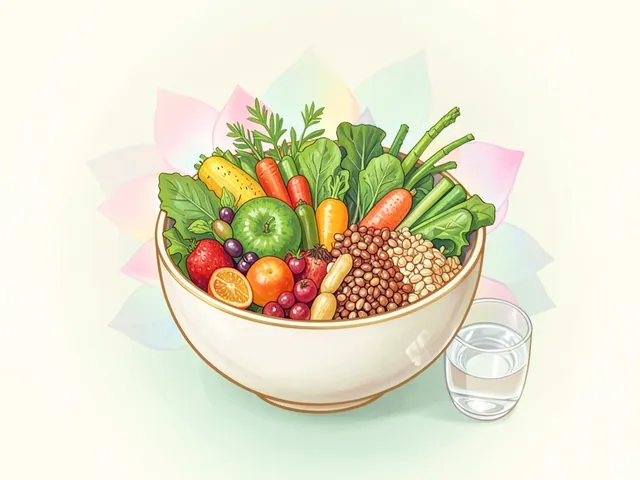
A good breakfast helps you start the day with a steady, calm body. Indian cooking has many tasty vegetarian dishes made from grains, beans, vegetables and spices. This guide shares simple ideas and easy habits for beginners.
This is general wellness information, not medical advice. Read our health disclaimer.
What makes an Indian vegetarian breakfast healthy?
A vegetarian diet is built on plant foods. These include fruits, vegetables, beans, peas, grains, seeds and nuts [1]. Many Indian breakfasts already fit this pattern. Think of poha (flattened rice), upma (savoury semolina porridge) and idli (steamed rice and lentil cakes). Try to add vegetables to each dish and keep the oil light. Some people also eat dairy or eggs, and some do not [1].
Easy grain and lentil breakfasts
Start with dishes you can cook in 20 minutes. Poha with peas, carrot and peanuts is soft and filling. Moong dal chilla (a thin pancake from split green gram) uses a lentil batter and needs little oil. Vegetable upma and ragi porridge (made from finger millet) are warm options for cool mornings. Beans, peas, grains and nuts are all part of a plant-based plate [1]. Try a different dish each day so your meals stay fun.
Protein, iron and other nutrients to watch
Vegetarians can get the nutrients they need, but they should eat a wide variety of foods [1]. The nutrients to think about are protein, iron, calcium, zinc and vitamin B12 [1]. Add sprouts, lentils, nuts or seeds to your breakfast for variety. Paneer (fresh cheese) or curd (plain yoghurt) can help if you eat dairy. A vegan diet leaves out all animal foods, so planning matters even more [1]. If you worry about your diet, please talk to a doctor or a dietitian.
Simple spices and gentle habits
Indian breakfasts are rich in flavour from cumin, mustard seeds, turmeric, ginger and curry leaves. Use small amounts and taste as you go. Sit down to eat, chew slowly and put your phone away. A calm meal feels better than a rushed one. Plan your week with a few batter or soaked-grain bases so mornings feel easy [1].
Balance, moderation and a mindful morning
The Bhagavad Gita (an ancient Indian text) speaks about balance in eating, sleeping and effort (Gita 6.16-17). In simple words, do not eat too much or too little. Choose a plate that feels steady and kind to your body. Before you cook, try Box Breathing (Sama Vritti) for a minute to settle your mind. After breakfast, a short Walking Meditation (Chankramana) can be a gentle way to start the day. Eating a mix of plant foods fits this idea of balance [1].
Try it: simple steps
- Pick one base: poha, upma, idli, chilla or porridge.
- Add two or more vegetables, such as peas, carrot or spinach.
- Add a protein food, such as lentils, sprouts, nuts or paneer.
- Use a small amount of oil and gentle spices.
- Sit down and eat slowly without screens.
- Change your dish each day for variety.
- See a doctor or dietitian if you have health worries.
Questions people ask
What is a healthy Indian vegetarian breakfast?
It uses plant foods such as grains, lentils, vegetables, nuts and seeds [1]. Poha with vegetables and moong chilla are good examples. Keep the oil light and add variety.
Can vegetarians get enough protein at breakfast?
Vegetarians can get the nutrients they need if they eat a wide variety of foods [1]. Lentils, beans, nuts, seeds and dairy foods are common protein choices. A doctor or dietitian can give advice that fits you.
Which nutrients should vegetarians focus on?
Protein, iron, calcium, zinc and vitamin B12 deserve attention [1]. Eating many different foods helps. Ask a health professional if you are unsure.
What is the difference between vegan and lacto-ovo vegetarian?
A vegan diet leaves out meat and all animal products [1]. A lacto-ovo vegetarian diet includes dairy and eggs [1]. Both focus mainly on plant foods.
Sources
- MedlinePlus: Vegetarian Diet · U.S. National Library of Medicine
Written with AI assistance from the sources above, then checked for copied text and risky health claims. How we write
Practise it here

Related reading
This is general wellness information, not medical advice. Move slowly, never force a pose or a breath, and stop if you feel pain, dizziness or breathlessness. If you are pregnant, have high blood pressure, heart, lung or eye conditions, or recent surgery, ask your doctor before starting.