 Prana Path
Healthy Indian Breakfast for School-Going Child
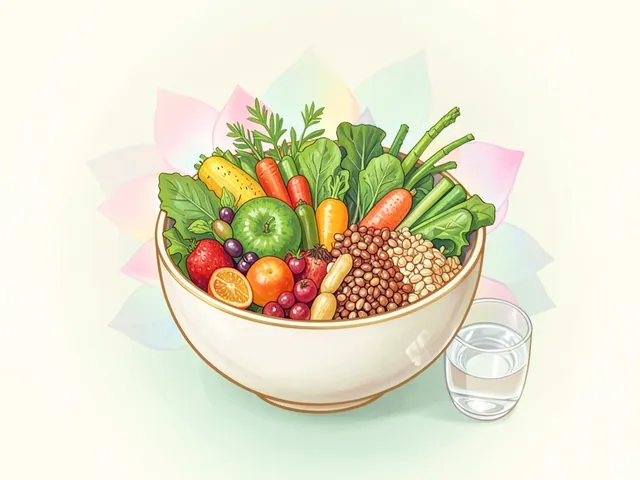
A good morning meal helps a child start the school day well. This guide shares healthy Indian breakfast ideas that are simple and kind to busy parents. You will also find tips for quick mornings and calm family habits.
This is general wellness information, not medical advice. Read our health disclaimer.
Why Breakfast Matters on School Days
Outside of home, a child spends the largest part of each day in the classroom [1]. So the habits you build at home sit beside what school teaches. Schools encourage healthy eating, and a good breakfast at home supports that message [1]. Think of breakfast as a calm, friendly start. It does not need to be fancy or perfect.
What a Balanced Indian Breakfast Plate Looks Like
Aim for a mix of foods on the plate. Add a grain, such as rice, wheat or millet. Add something from lentils, curd or milk. Add a vegetable or a fruit. Healthy eating is one of the habits that schools try to build in children [1]. A colourful plate also looks nice, and children often eat more of it.
Easy Indian Breakfast Ideas Children Enjoy
Poha (flattened rice) with peas and carrot is light and quick. Idli (steamed rice and lentil cake) with sambar (lentil and vegetable stew) is soft and gentle. Moong dal chilla (thin savoury pancake) can hold grated vegetables. Vegetable upma (savoury semolina porridge) and dalia (broken wheat porridge) work well too. Try ragi (finger millet) dosa for a change. Offering many foods fits the healthy eating habits that schools promote [1].
Quick Mornings and Tiffin Tips
Mornings are busy, so plan ahead. Soak lentils and chop vegetables the night before. Batter for idli or dosa can be made a day early. Pack a small fruit or some nuts in the tiffin (lunch box) if your child's school allows it. Healthy eating is a shared job between home and school [1]. Ask your child what they enjoy, and let them help choose.
Balance, Moderation and a Calm Start
The Bhagavad Gita (an ancient Indian text) speaks of balance in verses 6.16 and 6.17. In simple words, it says to avoid eating too much or too little. This gentle idea suits family meals well. Serve small, kind portions and let your child stop when full. Schools also encourage healthy habits like good eating and exercise [1]. Before breakfast, your child can try Bee Breath (Bhramari) for a few slow rounds. After school, a short Walking Meditation (Chankramana) can help the whole family unwind.
When to Talk to the School or a Doctor
Schools work with families on health matters such as obesity, asthma and infections [1]. If you worry about your child's weight, growth or allergies, speak to a doctor. Tell the school about any food allergy, so staff can help keep your child safe. This page offers general wellness ideas only. It does not replace advice from a health professional.
Try it: simple steps
- Plan three breakfast ideas for the week.
- Soak lentils and chop vegetables the night before.
- Add one vegetable or fruit to every plate.
- Keep oil and sugar low and portions small.
- Let your child help choose and prepare food.
- Sit together for ten calm minutes if you can.
- Speak to a doctor about any health worry.
Questions people ask
What is a healthy Indian breakfast for a school-going child?
A healthy plate mixes a grain, a lentil or dairy food, and a vegetable or fruit. Idli with sambar, poha with peas or a vegetable chilla are good examples. Schools encourage healthy eating, so home meals can match that [1].
What can I cook quickly on a school morning?
Poha, vegetable upma and chilla take only a few minutes. Prepare the batter or chop vegetables the night before to save time. Keep the recipes simple so mornings feel calm.
How can I get a fussy eater to eat breakfast?
Offer small portions and let your child pick between two choices. Add grated vegetables to foods they already like. Stay patient and kind. If you worry about your child's eating, ask a doctor for advice.
Should schools be involved in my child's eating habits?
Yes, in a supportive way. Schools promote healthy eating and work with families on health issues such as obesity [1]. Share any allergies with the school so staff can help.
Sources
- MedlinePlus: School Health · U.S. National Library of Medicine
Written with AI assistance from the sources above, then checked for copied text and risky health claims. How we write
Practise it here

Related reading
This is general wellness information, not medical advice. Move slowly, never force a pose or a breath, and stop if you feel pain, dizziness or breathlessness. If you are pregnant, have high blood pressure, heart, lung or eye conditions, or recent surgery, ask your doctor before starting.