 Prana Path
Yoga Asanas With Names: A Simple Beginner Guide
Asanas (yoga postures) are the part of yoga most people meet first. This guide lists common yoga asanas with names in plain English. Each pose also has its Sanskrit name (from the old language of India), so you can follow any class.
This is general wellness information, not medical advice. Read our health disclaimer.
What Is an Asana?
An asana is a yoga pose. Yoga as practiced in the United States often mixes postures, pranayama (breath practice) and dhyana (meditation) [1]. There are many yoga styles. Some are gentle, and some are physically hard [1]. Learning the names helps you follow a class, read a book or search online.
Standing Yoga Asanas With Names
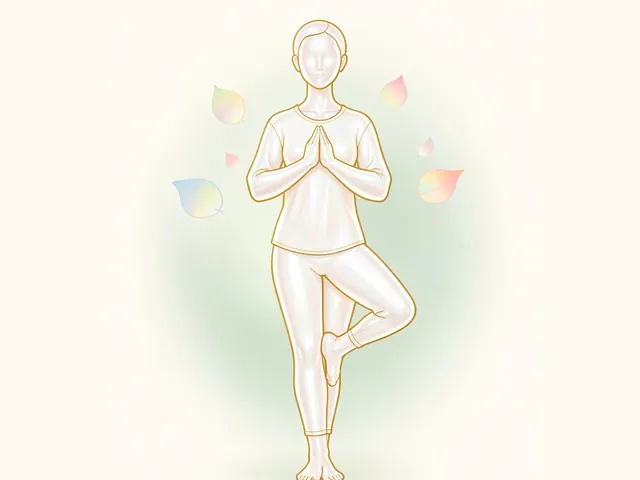
Mountain Pose (Tadasana) is the base of most standing poses. You stand tall with your feet hip-width apart and your arms by your sides. Warrior II (Virabhadrasana II) builds steady legs. Triangle Pose (Trikonasana) opens the sides of the body. Tree Pose (Vrikshasana) is a calm balance pose. Studies suggest yoga may support balance, which is why standing poses are popular [1].
Floor Poses for Beginners
Child's Pose (Balasana) is a gentle rest. Kneel, sit back on your heels and fold forward. Easy Pose (Sukhasana) is a simple cross-legged seat. Cat-Cow (Marjaryasana-Bitilasana) moves the spine softly on hands and knees. Cobra Pose (Bhujangasana) lifts the chest while you lie on your belly. Downward-Facing Dog (Adho Mukha Svanasana) and Bridge Pose (Setu Bandhasana) come next as you grow stronger. Yoga ranges from gentle to demanding, so start with the soft options [1].
Resting Pose and Calm
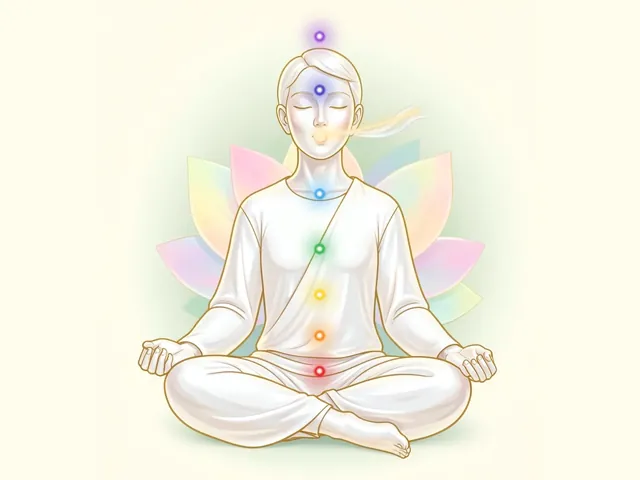
Corpse Pose (Savasana) ends most classes. You lie on your back and let your body feel heavy. It looks easy, but it teaches you to rest. Research suggests yoga may help with stress and sleep [1]. A 2020 review of 12 studies on healthy adults found less perceived stress in all of them [1]. You can pair this pose with slow breathing, such as Bee Breath (Bhramari).
Balance and Moderation: The Gita's View
The Bhagavad Gita (6.16-17) says yoga suits people who keep a middle path. That means not too much food or too little, and not too much sleep or too little. The same idea works on the mat. Do not force a pose or chase a perfect shape. Research notes that yoga may support good health habits and well-being [1]. Steady, kind practice fits that message.
Safety Tips and Next Steps
Choose a style that fits your body, because yoga styles vary a lot [1]. Move slowly and stop if something hurts. Never push into pain. If you have a health problem, an injury or you are pregnant, speak to your doctor first. Yoga supports general wellness, and it is not a treatment for illness [1]. Short, regular practice is better than one long, hard session.
Try it: simple steps
- Find a quiet space and a flat, non-slip floor.
- Start in Mountain Pose (Tadasana) and breathe slowly for five breaths.
- Move to Cat-Cow (Marjaryasana-Bitilasana) to warm the spine.
- Try Tree Pose (Vrikshasana) near a wall for support.
- Lie on your belly and lift gently into Cobra Pose (Bhujangasana).
- Rest in Child's Pose (Balasana) for a few breaths.
- Finish with Corpse Pose (Savasana) for two to five minutes.
Questions people ask
How many yoga asanas are there?
There is no single fixed number. Different yoga styles use different sets of poses, and many have small variations. Most beginners do well learning ten simple poses first [1].
What are the easiest yoga asanas for beginners?
Mountain Pose (Tadasana), Child's Pose (Balasana), Easy Pose (Sukhasana) and Cat-Cow are good starts. They are gentle and easy to learn. Yoga styles range from soft to hard, so begin with soft ones [1].
What does asana mean?
Asana is a Sanskrit word for a yoga posture or seat. Today people use it for any yoga pose. Postures are one part of yoga, along with breath practice and meditation [1].
Do I need to learn the Sanskrit names?
No, you do not. English names work well at home. Sanskrit names help in classes and books, so you can learn them slowly over time.
Sources
- NCCIH: Yoga - Effectiveness and Safety · U.S. National Institutes of Health
Written with AI assistance from the sources above, then checked for copied text and risky health claims. How we write
Practise it here
Related reading
This is general wellness information, not medical advice. Move slowly, never force a pose or a breath, and stop if you feel pain, dizziness or breathlessness. If you are pregnant, have high blood pressure, heart, lung or eye conditions, or recent surgery, ask your doctor before starting.