 Prana Path
Trataka for Sleep: A Gentle Candle Gazing Guide
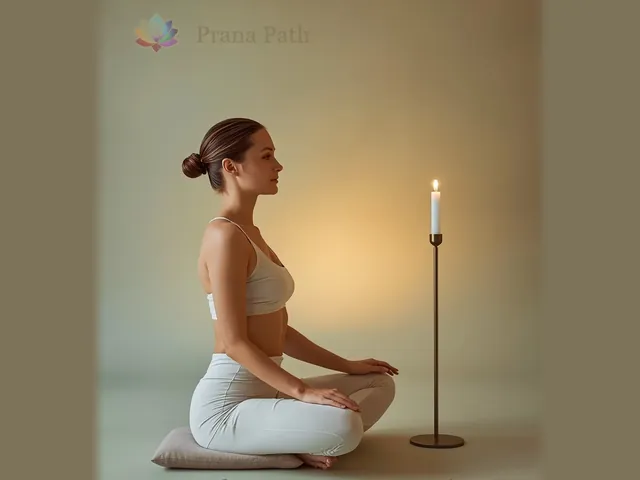
Many people lie awake with a busy mind. Trataka (steady gazing) is an old yoga practice that gives the mind one calm thing to rest on. This guide shows you how to try it as part of a gentle bedtime routine.
This is general wellness information, not medical advice. Read our health disclaimer.
What Is Trataka?
Trataka (steady gazing) comes from the Indian yoga tradition. You look at one point, often a candle flame, without moving your eyes. When your mind wanders, you bring it back. Many people find this simple focus calming. It is a form of dhyana (meditation), so it fits well in the quiet time before bed.
Why Sleep Matters
Sleep is not just rest. Your brain and body stay active while you sleep, and sleep helps restore energy [1]. It also supports learning and memory [1]. During some stages of sleep, your heart and blood vessels get to relax, and your body's defence system gets stronger [1]. Adults usually need 7 to 9 hours a night [1]. A calm evening routine can help you make space for that rest.
How Trataka May Help You Wind Down
Trataka is not a cure for poor sleep, and we make no promises. But it gives your mind a single, quiet task. That can feel like a pause at the end of a busy day. The Bhagavad Gita (a sacred Indian text) speaks of balance in eating, resting, effort and sleep (Gita 6.16-17). Trataka fits that idea well. It is a small, steady habit, not a big effort. Keep sessions short and relaxed, so your eyes and mind stay comfortable.
A Simple Bedtime Trataka Practice
Do this in the evening, an hour or so before bed. Sit comfortably in a dim room with no draught. Place a candle at eye level, about an arm's length away. Gaze softly at the flame for one to three minutes. Then close your eyes and picture the flame in the space between your brows. When the image fades, rest in the quiet for a minute. Stop if your eyes feel strained or watery.
Pair It With Other Calming Practices
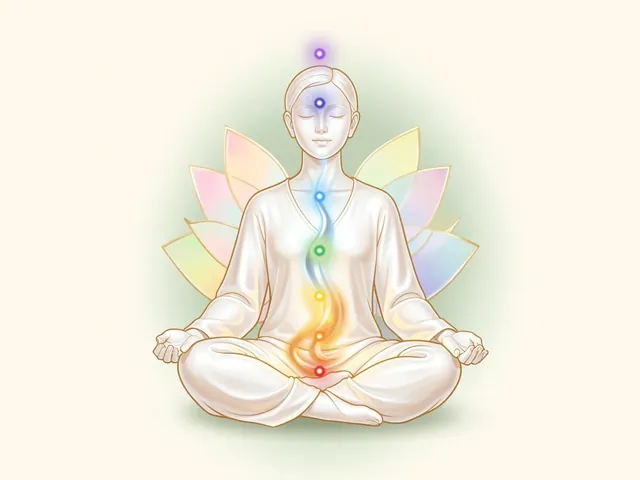
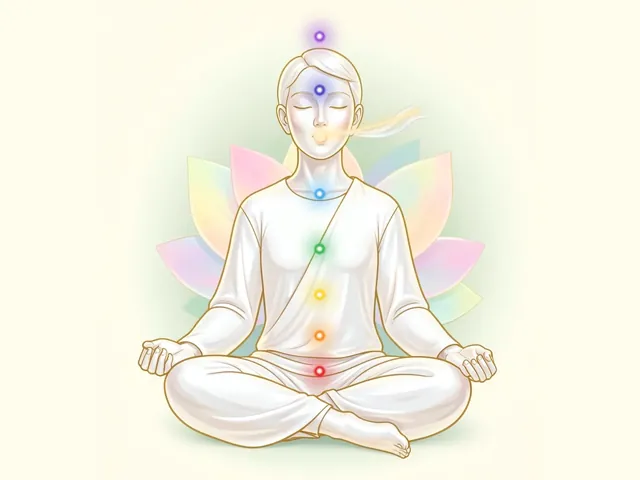
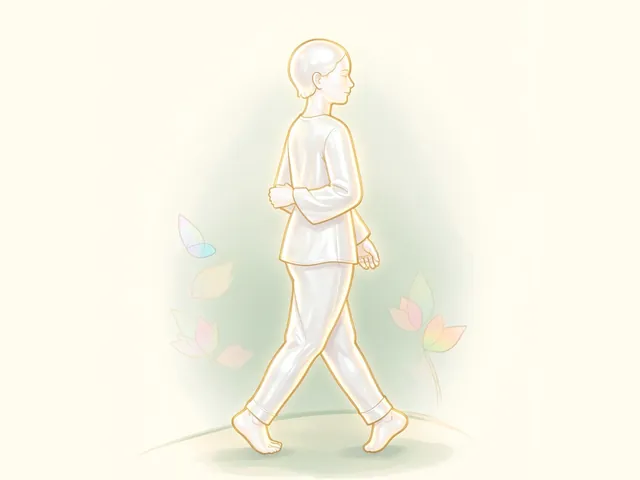
Slow breathing can help you feel calm before bed. Try Alternate Nostril Breathing (Nadi Shodhana) for a few rounds before you gaze. Or hum softly with Bee Breath (Bhramari) afterwards. A short Walking Meditation (Chankramana) earlier in the evening can also help you unwind. Keep your routine simple. One or two practices are plenty.
Safety Tips and When to See a Doctor
Never leave a burning candle unattended. Put it out before you get into bed. Skip trataka if you have an eye condition, or ask your doctor first. A soft, unblinking gaze should never hurt. Loud snoring, breathing pauses and daytime tiredness can be signs of sleep apnea (a breathing problem during sleep) [2]. Sleep apnea needs a doctor's care, and many people do well with treatment [2]. Gentle practices like trataka cannot replace that care.
Try it: simple steps
- Eat lightly and switch off screens an hour before bed.
- Sit in a dim, draught-free room.
- Place a candle at eye level, an arm's length away.
- Gaze softly at the flame for one to three minutes.
- Close your eyes and picture the flame between your brows.
- Rest in the quiet for a minute.
- Put out the candle before you go to bed.
Questions people ask
Can trataka help me sleep?
Trataka may help you feel calm and ready for bed, but it is not a treatment for sleep problems. Use it as part of a gentle evening routine. See a doctor if poor sleep lasts.
How long should I practice trataka before bed?
One to three minutes of gazing is enough for a beginner. Add a minute or two of quiet with your eyes closed. Stop at once if your eyes feel sore.
Can I do trataka without a candle?
Yes. You can gaze at a small dot on the wall or a soft light. A candle is traditional, but any single calm point works. Keep it at eye level.
Is trataka safe for everyone?
Most healthy people can try it gently. If you have an eye condition, ask your doctor first. Always stay safe around flames.
Sources
- MedlinePlus: Healthy Sleep · U.S. National Library of Medicine
- MedlinePlus: Sleep Apnea · U.S. National Library of Medicine
Written with AI assistance from the sources above, then checked for copied text and risky health claims. How we write
Practise it here
Related reading
This is general wellness information, not medical advice. Move slowly, never force a pose or a breath, and stop if you feel pain, dizziness or breathlessness. If you are pregnant, have high blood pressure, heart, lung or eye conditions, or recent surgery, ask your doctor before starting.