 Prana Path
Trataka vs Regular Meditation: What Is the Difference?
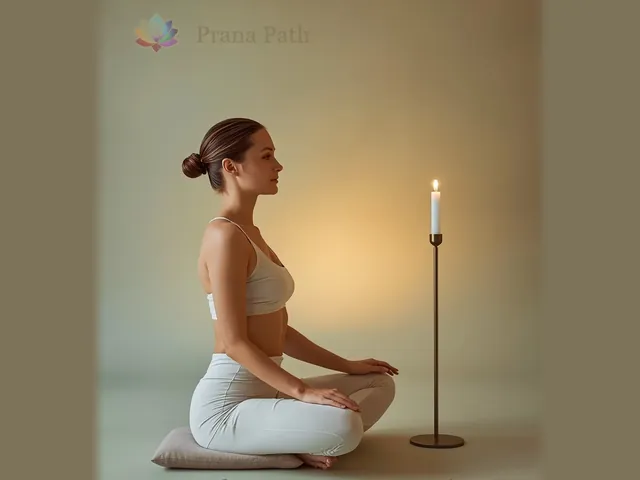
Trataka (steady gazing) and regular meditation both train the mind to settle. They use different tools, though. This guide explains how each one works and helps you choose a gentle place to start.
This is general wellness information, not medical advice. Read our health disclaimer.
What Is Regular Meditation?
Meditation is a wide word. It covers many practices that join mind and body and help calm the mind [1]. Some practices focus on one thing, such as the breath, a sound, an image or a mantra (a repeated word or phrase) [1]. Others use mindfulness (calm awareness of this moment, without judging) [1]. So regular meditation is not one method. It is a family of methods.
What Is Trataka?
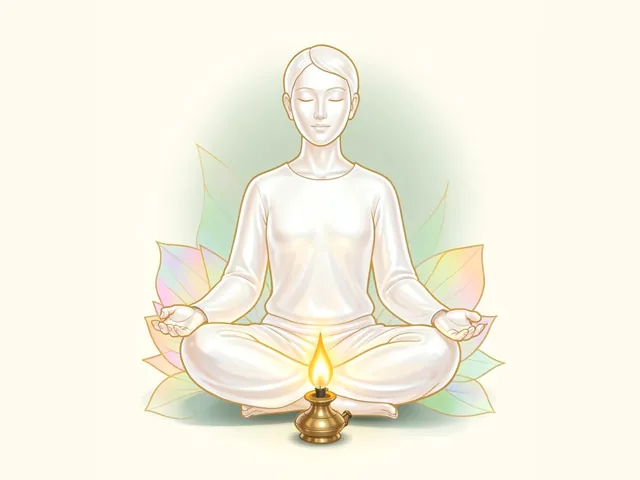
Trataka (steady gazing) is a yoga practice from the Indian tradition. You look at one object, often a candle flame, without blinking for a short time. Then you close your eyes and picture the glow inside. This fits the group of meditation styles that focus on a visual image [1]. Trataka (candle or point gazing) is one clear path within the wider family of meditation.
Key Differences You Can Feel
The biggest difference is the anchor. Trataka gives your eyes a clear target, so the mind has something to follow. Regular seated meditation often uses the breath or a mantra instead [1]. Mindfulness practice asks you to notice whatever arises with no judgment [1]. Many beginners find an outer object easier than an inner one. Others find that steady gazing tires their eyes, so go gently and blink whenever you need to.
Safety and Gentle Care
Meditation practices usually carry few risks [1]. A 2020 review of 83 studies found that about 8 percent of people had a negative effect, which is similar to the rate for talk therapies [1]. If a practice makes you feel upset or uneasy, stop and rest. Talk to a doctor or a trained teacher. Trataka needs extra care for the eyes. Keep the flame at a comfortable distance, and stop if your eyes hurt. If you have an eye problem, ask your doctor first.
Which One Should You Choose?
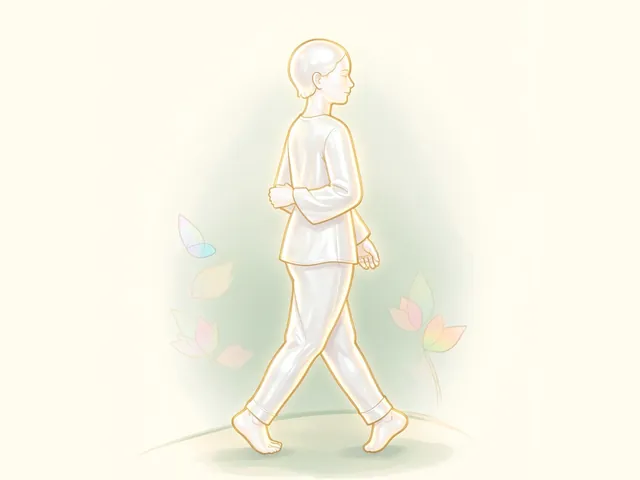
Choose trataka if you like to look at something and your mind wanders easily. If you like a quiet practice with your eyes closed, choose breath meditation or mindfulness (calm, present attention) meditation. You can also mix them on different days. Meditation is now popular, and the share of US adults who practice it more than doubled between 2002 and 2022 [1]. Try each for a week and see what feels kind to you. If you want movement first, try Walking Meditation (Chankramana) to settle the body.
Balance, the Gita Way
The Bhagavad Gita (a sacred Indian text) teaches balance in verses 6.16 and 6.17. It says yoga suits a person who is moderate in eating, resting, effort and play. You can apply this to meditation. Keep sessions short and steady rather than long and forced. Whichever method you pick, a calm and regular habit matters more than a hard push. To go deeper, read our Bhagavad Gita Meditation (Dhyana) guide. Meditation has a long history in Eastern traditions, and gentle practice fits that spirit [1].
Try it: simple steps
- Sit comfortably with a straight, relaxed back.
- Place a candle at eye level, about an arm's length away.
- Gaze at the flame for 30 seconds. Blink if you need to.
- Close your eyes and picture the glow for 30 seconds.
- Breathe slowly and let your thoughts pass by.
- Repeat once, then sit quietly for a minute.
- Stop at once if your eyes feel sore.
Questions people ask
Is trataka a type of meditation?
Yes. Trataka is a meditation practice that uses a visual focus, such as a candle flame. It sits within the wider family of focused meditation styles [1].
Is trataka better than regular meditation?
Neither is better for everyone. Trataka gives the eyes a clear target, while breath or mindfulness practice uses inner focus [1]. Pick the one you enjoy and can keep up.
Is trataka safe for beginners?
Meditation usually has few risks [1]. With trataka, protect your eyes and never strain them. Ask a doctor first if you have any eye problem.
How long should I practice each day?
Start with a few minutes. Short, steady practice fits the Gita's call for balance. Add time slowly only if it feels good.
Sources
- NCCIH: Meditation and Mindfulness - Effectiveness and Safety · U.S. National Institutes of Health
Written with AI assistance from the sources above, then checked for copied text and risky health claims. How we write
Practise it here
Related reading
This is general wellness information, not medical advice. Move slowly, never force a pose or a breath, and stop if you feel pain, dizziness or breathlessness. If you are pregnant, have high blood pressure, heart, lung or eye conditions, or recent surgery, ask your doctor before starting.