
Candle Gazing Meditation Benefits: A Calming Practice
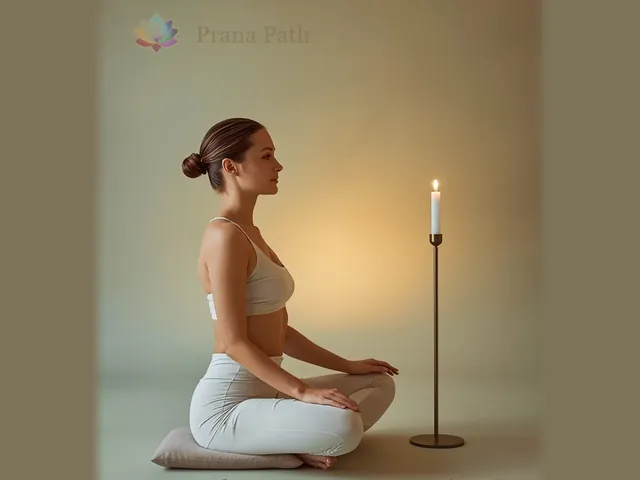
Candle gazing meditation is a simple yet powerful practice that can help you cultivate inner peace and calmness. By focusing on the flame, you can quiet your mind and bring balance to your body and spirit.
What is Candle Gazing Meditation?
Candle gazing meditation is a form of mindfulness meditation that involves focusing on the flame of a candle to calm your mind and bring inner peace. This practice is rooted in Indian tradition and is often used to cultivate a sense of calm and relaxation.
Benefits of Candle Gazing Meditation
Studies suggest that candle gazing meditation (focusing your eyes on a candle flame) may help your body and mind. [1] It may help you feel less stressed and worried. It may help you sleep better. It may also help you feel calm and relaxed. Additionally, this practice can help to improve focus and concentration, and even reduce symptoms of depression and anxiety.
How to Practice Candle Gazing Meditation
To practice candle gazing meditation, find a quiet and comfortable place to sit, and light a candle. Focus your attention on the flame, and try to let go of any thoughts or distractions. If your mind starts to wander, gently bring your attention back to the flame. You can also try using a guided meditation or a script to help you get started.
Tips for a Successful Practice
To get the most out of your candle gazing meditation practice, try to set aside a regular time each day to practice. Start with short sessions, such as 5-10 minutes, and gradually increase the length as you become more comfortable with the practice. It's also important to find a comfortable and quiet space to practice, and to avoid distractions such as electronic devices.
Conclusion
Candle gazing meditation is a simple yet powerful practice that can help you cultivate inner peace and calmness. By focusing on the flame, you can quiet your mind and bring balance to your body and spirit. Try incorporating this practice into your daily routine, and see the benefits for yourself.
Where Does Trataka Come From?
Trataka belongs to old yoga writings, where it is listed among the shatkarmas (cleansing practices). Yogis also used it to prepare the mind for deeper meditation. Meditation as a whole has a history of thousands of years, and many methods began in Eastern traditions [1]. Today, people of all backgrounds try trataka as a simple way to slow down.
Staying Safe and Comfortable
Meditation is usually seen as having few risks [1]. Still, a 2020 review found that some people have unpleasant experiences, about 8 percent of participants, which is similar to the rate seen with talking therapies [1]. Keep your eyes relaxed and blink whenever you need to. Stop if you feel strain, dizziness or upset. If you have eye problems, epilepsy, or a mental health concern, please talk to your doctor before you begin.
Try it: simple steps
- Find a quiet and comfortable place to sit.
- Light a candle and focus your attention on the flame.
- Gently bring your attention back to the flame if your mind starts to wander.
Questions people ask
What if my mind starts to wander during the practice?
Gently bring your attention back to the flame, without judgment or frustration. Remember, the goal is to cultivate calmness and relaxation, not to achieve a specific state.
Can I use candle gazing meditation to help with stress and anxiety?
It can help you feel calmer and less stressed. It is not a treatment for anxiety. If stress or anxiety is affecting your daily life, talk to a doctor.
Sources
- NCCIH: Meditation and Mindfulness - Effectiveness and Safety · U.S. National Institutes of Health
Written with AI assistance from the sources above, then checked for copied text and risky health claims. How we write
Practise it here
Related reading
This is general wellness information, not medical advice. Move slowly, never force a pose or a breath, and stop if you feel pain, dizziness or breathlessness. If you are pregnant, have high blood pressure, heart, lung or eye conditions, or recent surgery, ask your doctor before starting.