 Prana Path
Stress Relief Techniques Mistakes to Avoid
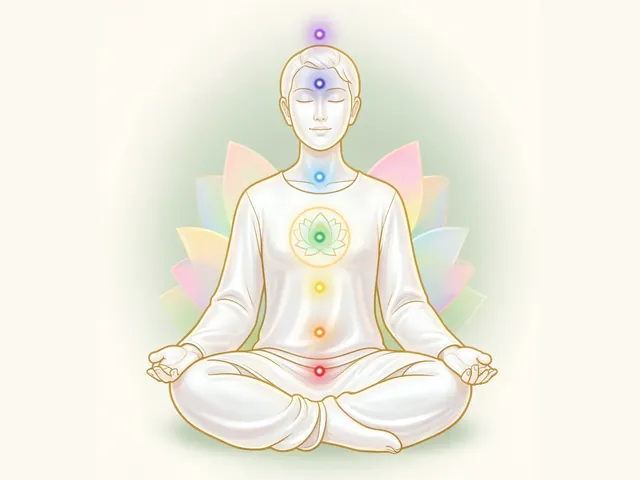
Many people try to calm down but end up more tense. Small mistakes can get in the way of stress relief. This guide shows the common ones and gentle ways to fix them.
This is general wellness information, not medical advice. Read our health disclaimer.
Mistake 1: Thinking All Stress Is Bad
Stress is the way your mind and body react when something hard comes up [2]. Your body releases hormones that make you alert and ready to act [2]. A little short-term stress can even help, such as when a deadline pushes you to finish work [2]. The trouble starts when stress lasts for weeks or months [2]. So the goal is not zero stress. The goal is to let your body settle once the challenge has passed.
Mistake 2: Waiting Until You Feel Overwhelmed
Many people only try to relax when stress is already very high. That makes it harder to calm down. Long-term stress often comes from daily pressures like work, school, family needs and money worries [2]. These pressures do not stop on their own. Try a short pause each day instead. Even three minutes of quiet breathing is a good start.
Mistake 3: Expecting One Technique to Fix Everything
Relaxation techniques aim to bring on the body's relaxation response [1]. In this state, breathing slows, and the heart and blood pressure ease [1]. This is the opposite of the stress response [1]. Many practices can do this, including yoga, meditation, tai chi, massage and qigong (a gentle Chinese movement practice) [1]. Not every practice suits every person. Try a few, and keep the one that feels kind to you.
Mistake 4: Forcing the Breath or the Pose
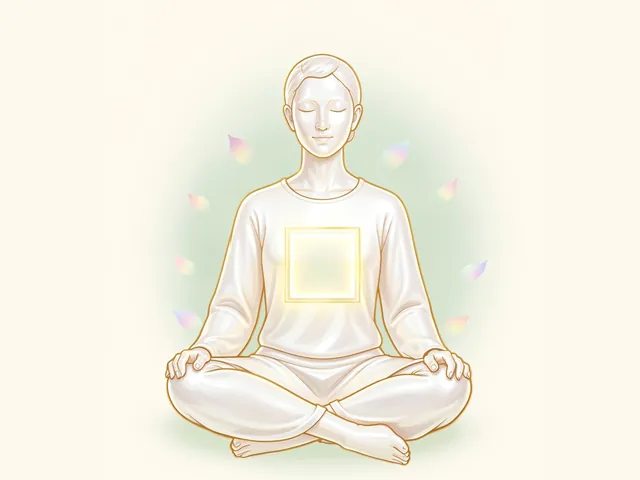
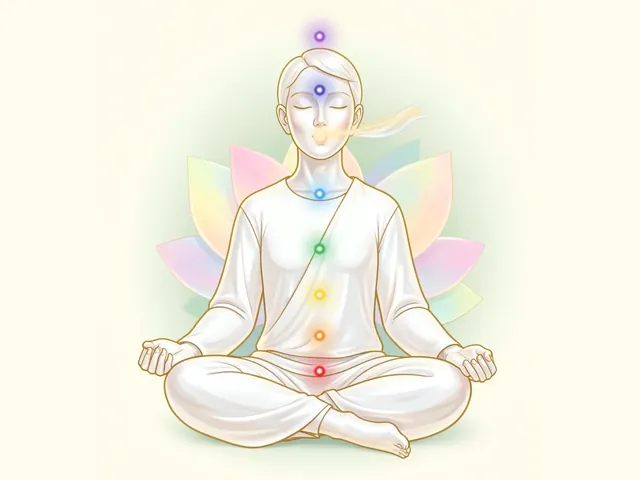
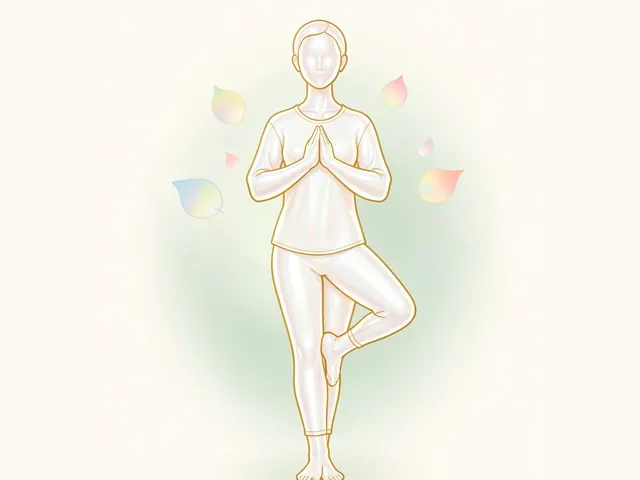
Strain works against calm. If you hold your breath or push hard, your body stays on alert. Try Box Breathing (Sama Vritti, or equal breath), where you breathe in, hold, out and hold for the same count. Keep the count short and easy. Bee Breath (Bhramari, a humming breath) is another soft choice. If you feel dizzy, stop and breathe normally. Move gently in poses like Tree Pose (Vrikshasana) or Cobra Pose (Bhujangasana), and stop if anything hurts.
Mistake 5: Doing Too Much or Too Little
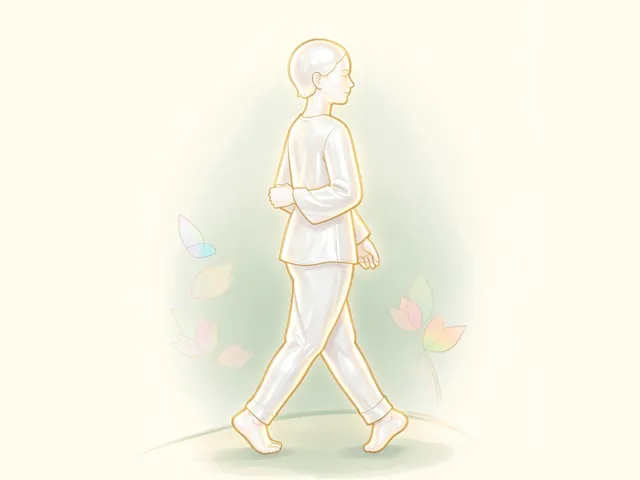
The Bhagavad Gita (an ancient Indian teaching text) talks about balance in verses 6.16 to 6.17. In simple words, it says to avoid extremes in eating, sleeping, work and rest. A stress plan works the same way. Do not pack your day with ten new habits. Do not skip rest either. Chronic stress can harm health, so steady and modest habits are wise [2]. Walking Meditation (Chankramana, slow mindful walking) is a good balanced practice.
Mistake 6: Ignoring When You Need Extra Help
Relaxation practices can support you, but they are not a cure. Research on them can be limited, and results vary from person to person [1]. Some stress comes from hard life events such as illness, divorce or job loss [2]. These can last a long time [2]. If stress stops you from sleeping, working or enjoying life, talk to a doctor. Gentle practice can sit alongside that care.
Try it: simple steps
- Notice when your body feels tight or rushed.
- Sit down and relax your shoulders.
- Breathe in through your nose for a count of four.
- Breathe out slowly, without forcing it.
- Repeat for three to five minutes.
- Finish with a slow walk or gentle stretch.
- Try this at the same time each day.
Questions people ask
What is the biggest mistake people make with stress relief?
Many people wait until stress is very high before they try to relax. A short daily pause works better. It helps your body practise settling down.
Can yoga and breathing remove stress completely?
No. Some stress is normal and can even be useful [2]. Yoga and breathing can help your body relax, but they do not cure any condition [1]. See a doctor if stress feels too heavy.
How long should I practise each day?
Start with three to five minutes. Short, regular practice is easier to keep than long sessions. Add time slowly if it feels good.
Which practice is best for beginners?
Slow breathing, such as Box Breathing or Bee Breath, is a simple start. Walking Meditation is also easy. Choose the one that feels comfortable.
Sources
- NCCIH: Relaxation Techniques · U.S. National Institutes of Health
- MedlinePlus: Stress · U.S. National Library of Medicine
Written with AI assistance from the sources above, then checked for copied text and risky health claims. How we write
Practise it here
Related reading
This is general wellness information, not medical advice. Move slowly, never force a pose or a breath, and stop if you feel pain, dizziness or breathlessness. If you are pregnant, have high blood pressure, heart, lung or eye conditions, or recent surgery, ask your doctor before starting.