 Prana Path
Mindfulness for Teenagers: A Simple Guide
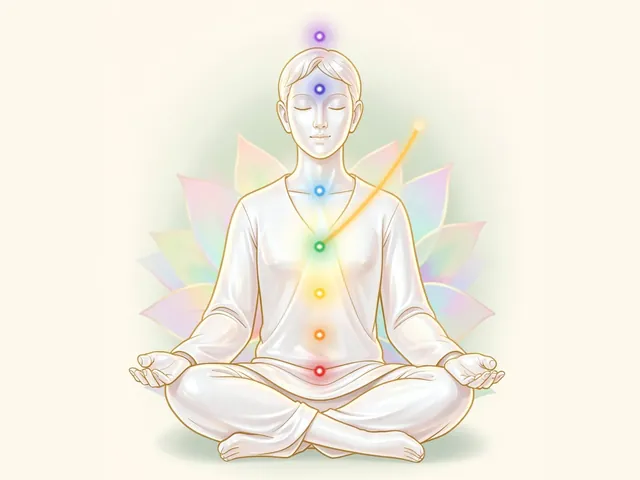
Mindfulness means paying attention to the present moment without judging it [1]. Many people try it to relax and feel less stressed [1]. This guide shows teenagers how to start, step by step.
This is general wellness information, not medical advice. Read our health disclaimer.
What Is Mindfulness?
Mindfulness is a way of noticing what is happening right now. You keep your attention on the present moment and try not to judge it [1]. A thought might come up, like 'I am bad at this.' You simply notice it and let it pass. Mindfulness is a skill, so it grows with practice.
Why Do People Practise It?
In one large survey of adults, most people who practised mindfulness meditation did it to relax or ease stress [1]. Many also hoped for better sleep [1]. Teenagers often feel busy and pressured by school, friends and phones. A few quiet minutes can feel like a pause button. Mindfulness is general wellness, not a cure for any problem.
Is Mindfulness Safe for Teenagers?
Mindfulness practices are usually seen as having few risks [1]. One review of three studies found that mindfulness programs were not more harmful than no treatment [1]. Still, go gently. If a practice makes you feel upset or uneasy, stop and breathe normally. Talk to a parent, teacher or doctor if big feelings stay with you.
Easy Ways to Start
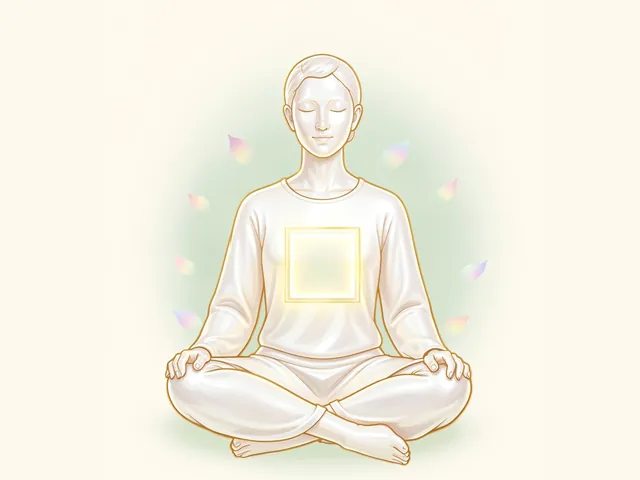
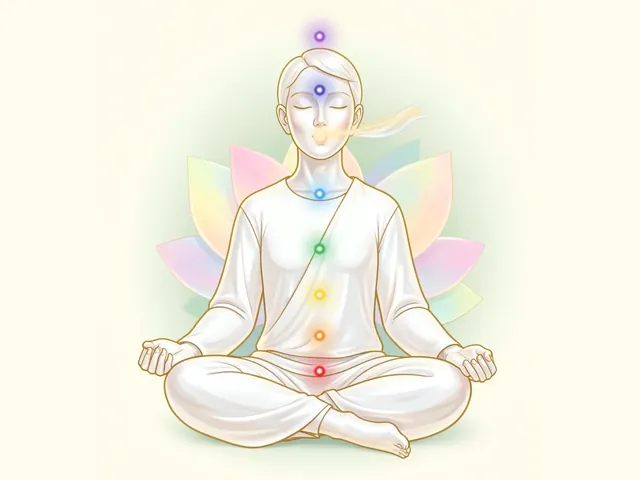
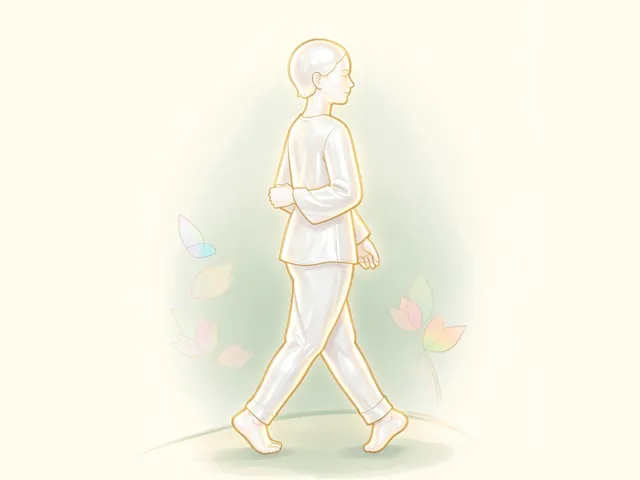
Mindfulness programs often mix quiet practice with talking and other tools for daily stress [1]. You can begin at home with something small. Try Box Breathing (Sama Vritti), a steady breath practice with equal counts. Bee Breath (Bhramari) is a humming breath that many people find soothing. Or try Walking Meditation (Chankramana), where you feel each step slowly and notice your surroundings.
Build a Small Daily Habit
Short practice every day works better than one long session [1]. Pick a calm time, such as before bed or after school. Put your phone on silent. Start with two or three minutes. Add a minute each week if it feels good. Mindfulness practice should feel kind, not like another test.
Balance: An Old Idea From the Gita
The Bhagavad Gita (a sacred Indian text) teaches balance in verses 6.16-17 [1]. It suggests not doing too much or too little of eating, sleeping, resting and effort. This fits teenage life well. Do not push yourself too hard, and do not give up either. Mindfulness helps you notice when you need rest, movement or a break. If you want a calm next step, read our Bhagavad Gita Meditation (Dhyana) guide.
Try it: simple steps
- Sit or lie down in a quiet, comfortable place.
- Put your phone on silent.
- Close your eyes or look softly at the floor.
- Notice your breath going in and out.
- When your mind wanders, gently return to the breath.
- Start with two or three minutes.
- End by noticing how your body feels.
Questions people ask
How long should teenagers practise mindfulness each day?
Start with two or three minutes. Slowly add time if it feels comfortable. Regular short practice is easier to keep than long sessions.
Is mindfulness the same as meditation?
Mindfulness is one kind of meditation. It means keeping your attention on the present moment without judging it [1]. Other kinds of meditation use different focus points.
Can mindfulness help with sleep?
Many adults in a survey said they practised mindfulness hoping for better sleep [1]. It may help you feel calmer at bedtime, but it is not a treatment. See a doctor if sleep problems last.
What if my mind keeps wandering?
That is normal for everyone. Notice that your mind wandered, then gently bring it back. That moment of noticing is the practice itself.
Sources
- NCCIH: Meditation and Mindfulness - Effectiveness and Safety · U.S. National Institutes of Health
Written with AI assistance from the sources above, then checked for copied text and risky health claims. How we write
Practise it here
Related reading
This is general wellness information, not medical advice. Move slowly, never force a pose or a breath, and stop if you feel pain, dizziness or breathlessness. If you are pregnant, have high blood pressure, heart, lung or eye conditions, or recent surgery, ask your doctor before starting.