
Natural Ways to Sleep Better: A Gentle Guide
Many people want to sleep better without pills or gadgets. Small, calm habits can make evenings feel softer. This guide shares gentle ideas, plus simple breath practices you can try tonight.
This is general wellness information, not medical advice. Read our health disclaimer.
Why sleep matters
Sleep is a natural process. Your brain and body stay busy while you rest. Sleep helps your body restore energy and supports learning and memory [1]. It also gives your heart and blood vessels a rest [1]. Good sleep is a daily need, not a luxury.
How much sleep do you need?
How much is best for you changes with how old you are, how you live, how well you are and how you sleep [1]. Adults aged 18 and over need about 7 to 9 hours a day [1]. Teens aged 13 to 18 need about 8 to 10 hours [1]. Children aged 6 to 12 need about 9 to 12 hours [1]. Use these numbers as a guide, not a strict rule.
Know your body clock
Your night has stages. Light sleep, deep sleep and dreaming sleep follow each other in cycles [1]. You need all the stages for healthy sleep [1]. Teenagers have a body clock that shifts during puberty. Teens go to sleep later and get up later, so an early school start time can be hard for them [1]. If you are a teen, this is normal. Go easy on yourself.
Build a calm evening routine
Good sleep is part of how your body keeps its balance, so give it a gentle runway [1]. Try going to bed and getting up at similar times each day. Keep your bedroom dark, cool and quiet. Put screens away for a while before bed. Choose something soft instead, such as a warm shower, a few pages of a book or quiet music.
Breath practices that suit bedtime
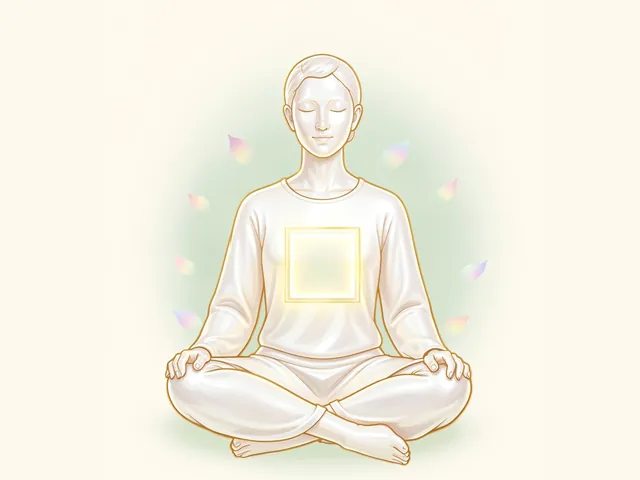
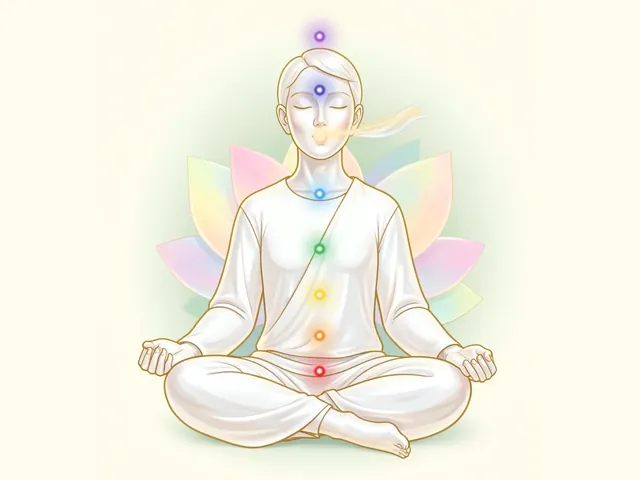
Sleep is when your body restores energy, so a slow evening can help you meet it halfway [1]. Try Box Breathing (Sama Vritti, or equal breath). Breathe in for four counts, hold for four, breathe out for four and hold for four. You can also try Bee Breath (Bhramari, or humming bee breath). Breathe in slowly, then hum softly as you breathe out. Keep both practices easy. Stop if you feel dizzy.
When to ask for help
Natural habits work best alongside good health care. Sleep also helps keep your hormones for hunger and fullness in balance and supports your immune system [1]. So ongoing poor sleep is worth taking seriously. If you often feel very tired or cannot sleep for weeks, talk to a doctor. Yoga and breathing are gentle support, not a replacement for medical advice.
Try it: simple steps
- Pick a bedtime and wake-up time you can keep every day.
- Dim the lights in your home an hour before bed.
- Put your phone and screens away for a while before bed.
- Take a warm shower or read a few pages of a book.
- Sit on your bed and try Box Breathing for a few minutes.
- Finish with a few rounds of Bee Breath, humming softly.
- Keep your bedroom dark, cool and quiet.
Questions people ask
What are the best natural ways to sleep better?
Start with a steady bedtime, a dark and quiet room, and a calm evening routine. Slow breathing such as Box Breathing or Bee Breath can be a gentle wind-down. Try one change at a time.
How many hours of sleep do I need?
Adults aged 18 and over need about 7 to 9 hours a day [1]. Teens need about 8 to 10 hours, and children aged 6 to 12 need about 9 to 12 hours [1]. Your own needs also depend on your health and lifestyle [1].
Why do teenagers find it hard to fall asleep early?
During puberty, the body clock shifts. Young people in their teens often go to sleep later at night and also get up later in the morning [1]. This can clash with early school start times, so many teens miss out on sleep [1].
How long does it take for new sleep habits to work?
This is different for everyone. Give a new routine at least a couple of weeks before you judge it. Keep your notes short, such as what time you went to bed and how you felt next day.
Can breathing exercises help me sleep?
Many people use slow breathing as a quiet way to wind down in the evening. Box Breathing and Bee Breath are two simple options. They are gentle habits, not a promise of results.
Sources
- MedlinePlus: Healthy Sleep · U.S. National Library of Medicine
Written with AI assistance from the sources above, then checked for copied text and risky health claims. How we write
Practise it here
Related reading
This is general wellness information, not medical advice. Move slowly, never force a pose or a breath, and stop if you feel pain, dizziness or breathlessness. If you are pregnant, have high blood pressure, heart, lung or eye conditions, or recent surgery, ask your doctor before starting.