 Prana Path
Morning Yoga Flow Free: A Gentle 10-Minute Routine
A morning yoga flow is a short, slow routine you do when you wake up. You need no cost, no class and no special gear. This guide gives you a gentle, free routine that you can finish in about ten minutes.
This is general wellness information, not medical advice. Read our health disclaimer.
What Is a Morning Yoga Flow?
A flow links simple yoga poses with your breath. You move slowly from one pose to the next. Yoga is an ancient practice rooted in Indian philosophy. In the United States, it often mixes asanas (body poses), pranayama (breath practice) and dhyana (meditation) [1]. Yoga styles range from very gentle to quite hard, so beginners should pick a gentle one [1].
Why Try Yoga in the Morning?
A calm start can set the tone for your day. Studies suggest yoga may help with stress, mood, sleep and balance [1]. One 2020 review looked at 12 studies of healthy adults. Every study found lower stress that people felt [1]. Yoga is not a cure for any illness. Think of it as a kind way to look after yourself.
Begin With Your Breath
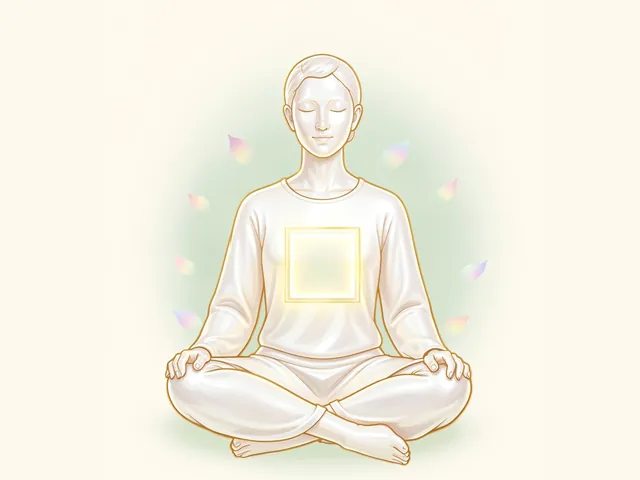
Sit or stand and let your shoulders drop. Slow breathing is part of yoga, and it can feel calming [1]. Try Box Breathing (Sama Vritti) for one minute. Breathe in for four counts, hold for four, breathe out for four, and hold for four. If you like humming, try Bee Breath (Bhramari) instead. Stop if you feel dizzy and return to normal breathing.
Two Gentle Poses to Wake Up the Body
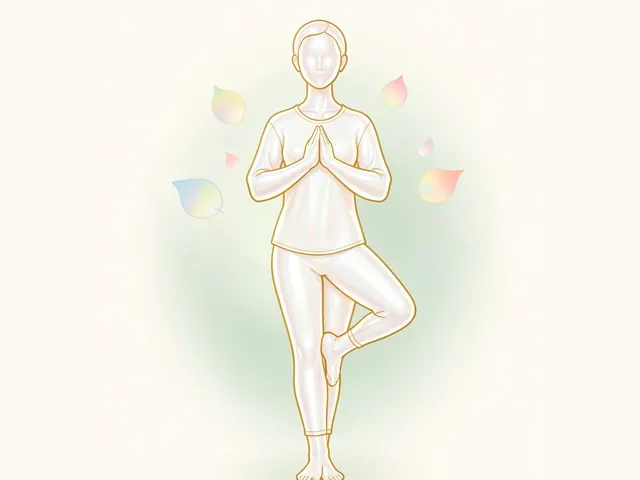
Stand tall for Tree Pose (Vrikshasana). Place one foot on your calf or ankle, never on the knee. Rest your hands at your chest and breathe slowly. Balance is one area that researchers have studied in yoga [1]. Then lie on your belly for Cobra Pose (Bhujangasana). Lift your chest a little, keep your neck long, and stay low if your back feels tight.
Keep It Balanced and Safe
The Bhagavad Gita (Gita 6.16-17) teaches balance in daily life. It says to avoid too much and too little in eating, sleeping and effort. A morning flow fits this idea well. Do not push hard. Yoga comes in gentle and demanding forms, so choose the soft kind first [1]. If you have pain or a health problem, talk to your doctor before you start.
Build a Daily Habit
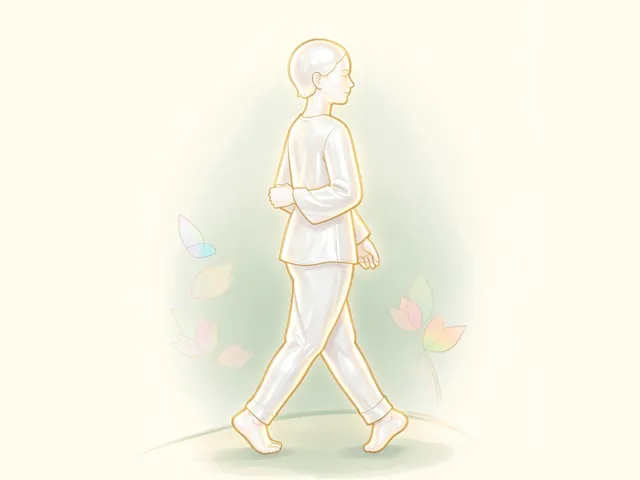
Small steps work best. Research on yoga points to possible links with healthy habits and better sleep [1]. Pick the same time each morning and roll out a mat or towel. End with a short Walking Meditation (Chankramana). Walk slowly for two minutes and notice each step. Even five minutes a day is a good start.
Try it: simple steps
- Stand or sit comfortably and relax your shoulders.
- Do one minute of Box Breathing (Sama Vritti).
- Roll your neck and shoulders slowly, three times each way.
- Hold Tree Pose (Vrikshasana) for five slow breaths on each side.
- Lie down and lift gently into Cobra Pose (Bhujangasana) for three breaths.
- Rest for one minute and breathe naturally.
- Finish with two minutes of Walking Meditation (Chankramana).
Questions people ask
How long should a morning yoga flow be?
Five to ten minutes is plenty for beginners. A short routine you repeat is better than a long one you skip. Add time slowly as you feel ready.
Can I do morning yoga on an empty stomach?
Many people like to practise before breakfast. Some feel better with a sip of water first. Listen to your body and stop if you feel weak.
Is a free morning yoga flow enough for beginners?
Yes. You can learn the basics at home with a free routine like this one. Go slowly and pick gentle poses [1]. If you have a health problem, ask your doctor first.
What if I feel stiff in the morning?
Stiffness is common after sleep. Start with slow breathing and small moves. Skip any pose that hurts, and never force your body.
Sources
- NCCIH: Yoga - Effectiveness and Safety · U.S. National Institutes of Health
Written with AI assistance from the sources above, then checked for copied text and risky health claims. How we write
Practise it here
Related reading
This is general wellness information, not medical advice. Move slowly, never force a pose or a breath, and stop if you feel pain, dizziness or breathlessness. If you are pregnant, have high blood pressure, heart, lung or eye conditions, or recent surgery, ask your doctor before starting.