 Prana Path
Yoga for Sciatica: Gentle Moves and Safe Tips
Sciatica pain can make even small moves feel hard. Many people look for gentle ways to stay active and calm. This guide explains what sciatica is, how yoga may fit in, and how to practise with care.
This is general wellness information, not medical advice. Read our health disclaimer.
What Is Sciatica?
Sciatica is a sign of a problem with the sciatic nerve. This is the largest nerve in the body [2]. People may feel pain, weakness, numbness or tingling. The pain can begin in your low back. It may then travel down your leg and reach the lower leg, the foot or the toes [2]. It usually affects only one side of the body [2].
Why People Try Yoga
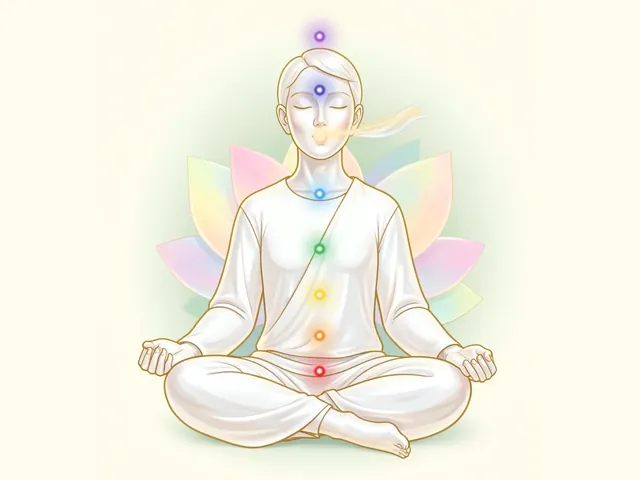
Yoga is an old practice from Indian philosophy. It often combines three things. These are gentle postures (asanas), breath practice (pranayama) and meditation (dhyana, quiet focus of the mind) [1]. Research suggests yoga may help with stress, sleep, balance and mood [1]. These are general wellness gains. Yoga is not a cure for sciatica. Styles vary a lot, from soft to strong, so choose a gentle one [1].
Talk to a Doctor First
Sciatica can have different causes. These include a ruptured disk, a narrow spinal canal (spinal stenosis) or an injury [2]. Sometimes no cause is found [2]. The right care depends on the cause. It may include exercises, medicines or surgery [2]. So ask a doctor or physiotherapist before you start yoga. Stop any move that makes the pain sharper, or the tingling or weakness stronger.
Gentle Poses to Explore
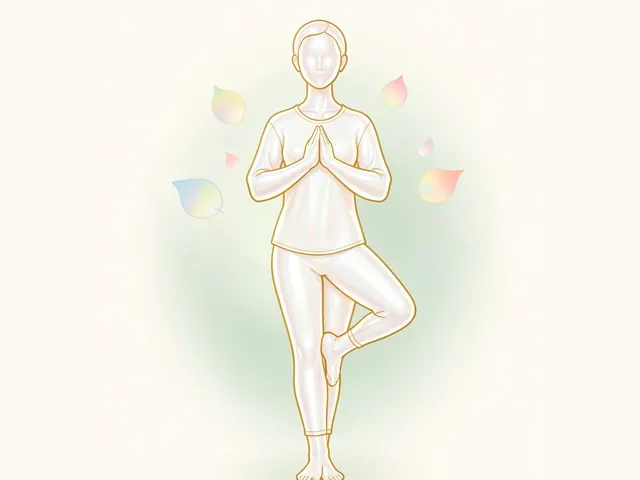
Keep every move small and slow. Cobra Pose (Bhujangasana) is a soft back bend. Lie on your tummy and lift only a little, if your doctor agrees. Tree Pose (Vrikshasana) builds steady balance, which yoga may support [1]. Stand next to a wall or chair for help. Never push into pain, and rest whenever you need to.
Calm Breath and Mind
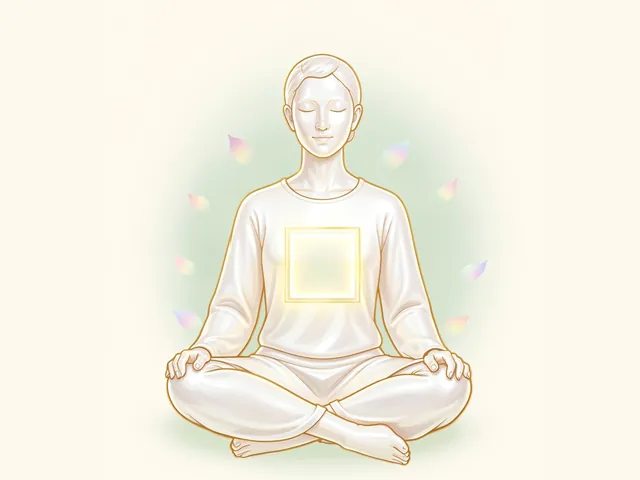
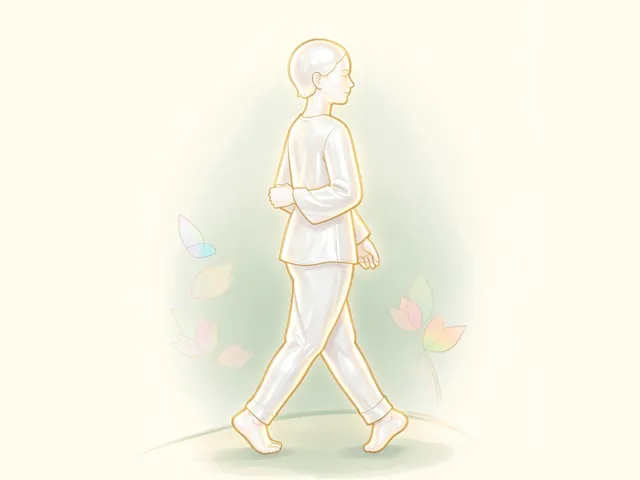
Pain can bring tension and worry. Yoga may help with stress and sleep [1]. Try Box Breathing (Sama Vritti) or Bee Breath (Bhramari) for a few quiet minutes. You can also try Walking Meditation (Chankramana) at a slow, easy pace. These practices need little movement. They can suit days when your body feels sore.
Balance and Moderation
The Bhagavad Gita (6.16-17) teaches balance in food, rest, effort and sleep [1]. This fits well with a sore back. Too much effort can hurt, and too little movement can feel stiff. Aim for a middle path. Do a little each day, and listen to your body. Steady care matters more than hard effort.
Try it: simple steps
- Ask your doctor if gentle yoga is right for you.
- Choose a soft, slow class or a short home practice.
- Warm up with a few minutes of easy breathing.
- Move slowly and keep every pose small.
- Stop if pain, numbness or tingling grows stronger.
- Finish with a quiet rest and slow breaths.
- Practise a little each day rather than a lot once.
Questions people ask
Is yoga good for sciatica?
Gentle yoga may help you feel calmer, sleep better and move with care [1]. It is not a cure. Sciatica has many causes, so check with a doctor first [2].
What causes sciatica?
Common causes include a ruptured disk, a narrow spinal canal and injuries such as a pelvic fracture [2]. Sometimes no cause is found [2].
Does sciatica go away on its own?
Sometimes it does [2]. If it lasts or gets worse, see a doctor. The right care depends on the cause. It may include exercises, medicines or surgery [2].
Which yoga style is best for beginners with back pain?
Yoga styles range from gentle to hard [1]. A slow, gentle style is a kinder start. Tell your teacher about your pain before class.
Sources
- NCCIH: Yoga - Effectiveness and Safety · U.S. National Institutes of Health
- MedlinePlus: Sciatica · U.S. National Library of Medicine
Written with AI assistance from the sources above, then checked for copied text and risky health claims. How we write
Practise it here
Related reading
This is general wellness information, not medical advice. Move slowly, never force a pose or a breath, and stop if you feel pain, dizziness or breathlessness. If you are pregnant, have high blood pressure, heart, lung or eye conditions, or recent surgery, ask your doctor before starting.