 Prana Path
Meditation for 10 Minutes: A Simple Beginner Guide
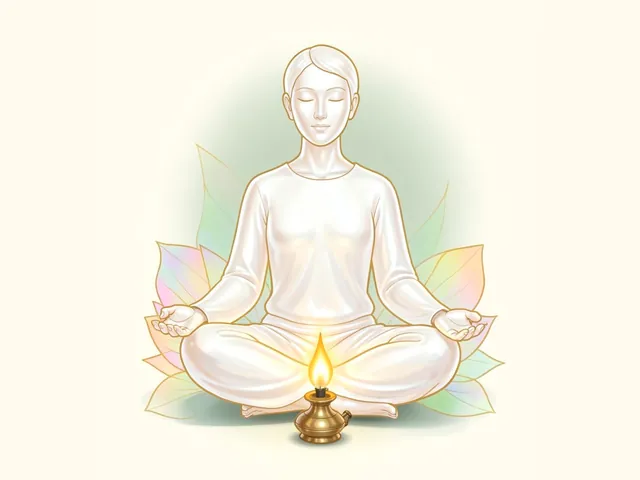
Ten minutes is a good place to start meditation. It fits into a busy day, and it is long enough to settle in. This guide shows you how to begin, step by step.
This is general wellness information, not medical advice. Read our health disclaimer.
What meditation really is
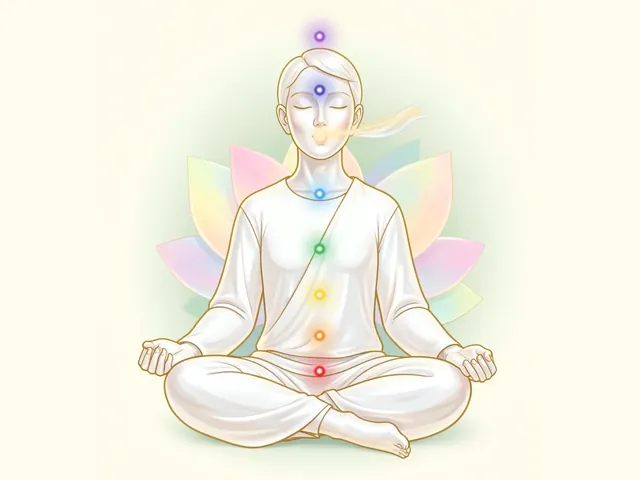
Meditation is a group of practices that join mind and body. People use them to calm the mind and support well-being [1]. Some practices focus on one thing, such as the breath, a sound, or a repeated word called a mantra (a word or phrase said again and again) [1]. Others use mindfulness (paying attention to the present moment without judging it) [1]. You do not need special skills to try any of these.
Why 10 minutes is a good start
Meditation has a history of thousands of years, and many methods began in Eastern traditions [1]. You do not need hours to take part. Ten minutes is short enough to repeat each day. A small habit often lasts longer than a big plan. Choose a time that feels easy, such as after waking or before bed.
How to meditate for 10 minutes
Find a quiet spot and sit on a chair or the floor. Keep your back tall but relaxed. Set a soft timer for 10 minutes. Then pick one anchor (a single thing to focus on), such as your breath. When your mind wanders, gently return to the anchor. This is normal. Noticing and returning is the practice itself. Many people use this simple style of focus, which is one common form of meditation [1].
Gentle ways to prepare your body and breath
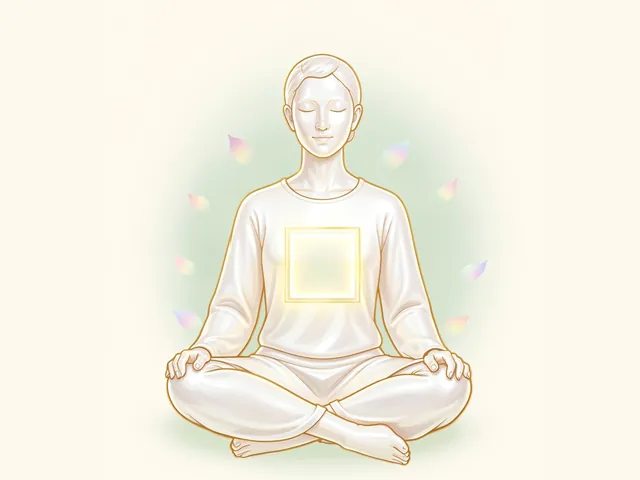
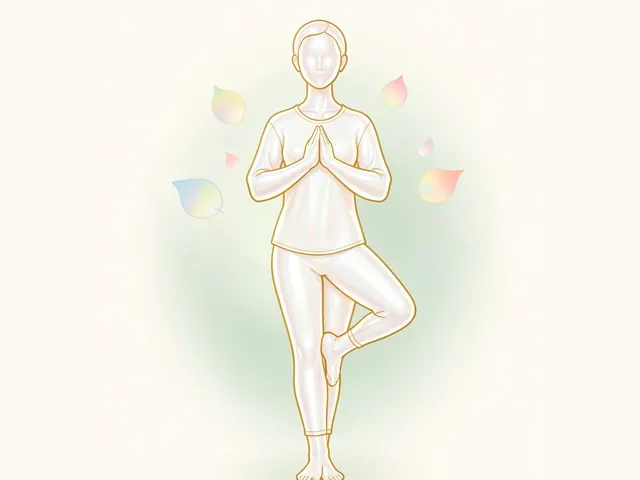
A few minutes of easy movement or breathing can help you settle. Try Tree Pose (Vrikshasana), a standing balance pose, to feel steady and present. Cobra Pose (Bhujangasana) is a gentle backbend that can open the chest before you sit. Box Breathing (Sama Vritti), which uses equal counts for each part of the breath, gives the mind a simple rhythm. Breath is a common focus in meditation [1]. Skip any pose that hurts.
Other 10-minute styles to try
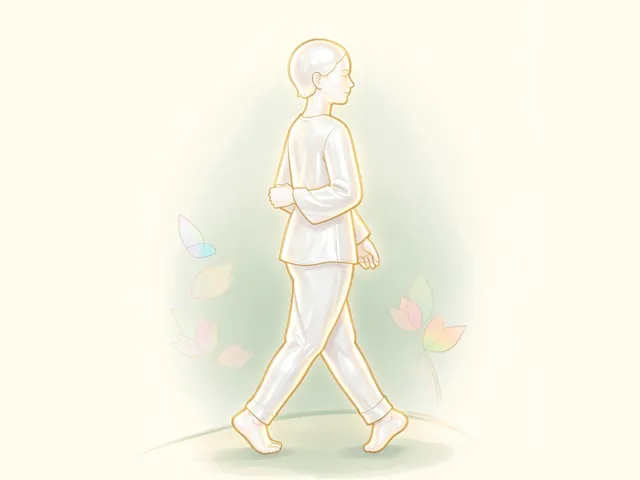
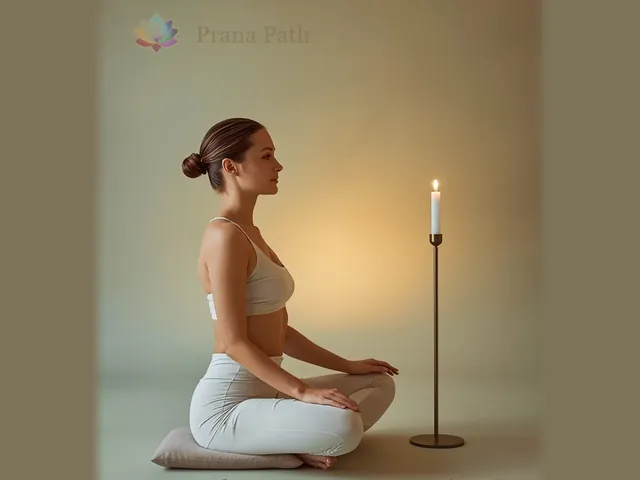
If sitting still feels hard, try Walking Meditation (Chankramana). You walk slowly and feel each step. Trataka (Candle Gazing) is a practice where you rest your eyes on a flame. Bee Breath (Bhramari) uses a soft humming sound, and sound can be a meditation focus too [1]. You can also read about Bhagavad Gita Meditation (Dhyana), a calm, traditional way to sit. Pick one style and stay with it for a week.
Keep it balanced and safe
The Bhagavad Gita (an ancient Indian text) teaches balance in verses 6.16 and 6.17. It says a steady practice comes from moderation in eating, rest, work, and play. Apply the same idea to meditation: a short, regular practice beats a long, forced one. Meditation is usually seen as low in risk. Still, a 2020 review found that about 8 percent of people had a negative effect, a rate close to that seen with talk therapies [1]. Stop if you feel upset, and speak to a doctor or teacher if worries continue.
Try it: simple steps
- Choose a quiet spot and sit comfortably.
- Set a soft timer for 10 minutes.
- Close your eyes or look softly at the floor.
- Take three slow breaths to settle.
- Focus on your breath, a sound, or a mantra.
- When your mind wanders, gently come back.
- When the timer rings, move slowly and stretch.
Questions people ask
Is 10 minutes of meditation enough?
Ten minutes is a fine start for a beginner. It is short enough to repeat each day. You can add time later if you want to, but there is no rush.
Is meditation safe for everyone?
Meditation is usually seen as low in risk. A 2020 review of 83 studies found that about 8 percent of people had a negative effect [1]. If you feel unwell or distressed, stop and talk to a doctor.
What should I focus on during meditation?
You can focus on your breath, a sound, an image, or a mantra [1]. The breath is a good first choice. Pick one anchor and return to it when your mind drifts.
Is meditation popular?
Yes. In the United States, the share of adults who meditate more than doubled between 2002 and 2022, rising from 7.5 to 17.3 percent [1]. Many people find it a simple habit to try.
What is the difference between meditation and mindfulness?
Meditation is a wide group of practices for the mind and body. Mindfulness is one kind, where you notice the present moment without judging it [1].
Sources
- NCCIH: Meditation and Mindfulness - Effectiveness and Safety · U.S. National Institutes of Health
Written with AI assistance from the sources above, then checked for copied text and risky health claims. How we write
Practise it here
Related reading
This is general wellness information, not medical advice. Move slowly, never force a pose or a breath, and stop if you feel pain, dizziness or breathlessness. If you are pregnant, have high blood pressure, heart, lung or eye conditions, or recent surgery, ask your doctor before starting.