 Prana Path
How to Meditate Osho Style: A Gentle Beginner Guide
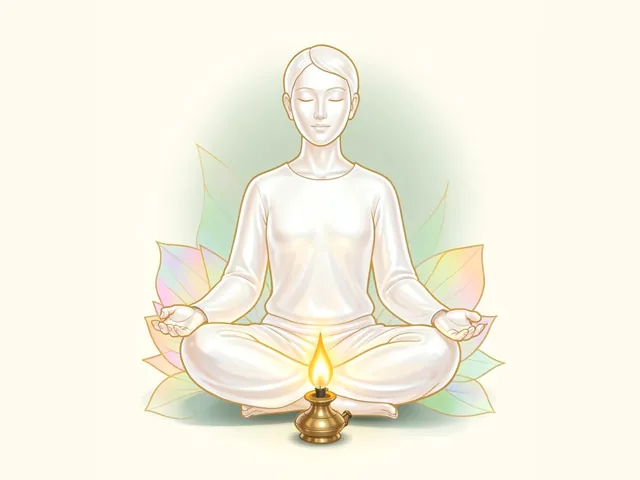
Osho was an Indian teacher who shared many ways to meditate. Some use movement and sound, so they suit people who find sitting still hard. This guide explains the main ideas in plain words and shows you how to start gently.
This is general wellness information, not medical advice. Read our health disclaimer.
What Osho Taught About Meditation
Osho taught that meditation is not a task to win. He saw it as a calm state of watching. You notice your thoughts, feelings and body without judging them. Many people try meditation to feel more relaxed. In one large survey, most people who meditated said they did it to relax or ease stress [1]. Osho's way fits that goal, because it asks you to be kind to yourself.
Dynamic Meditation: The Best-Known Osho Practice
Dynamic Meditation takes about one hour. It has five stages. You breathe fast, let your feelings out, jump, stand very still, and then dance. The stages help you burn off tension before you sit in quiet. People often choose it because they want to relax [1]. This practice is strong, so beginners should go slowly. Try a short, softer version first, with calm breathing and light movement.
Gentler Choices: Humming and Breath
Nadabrahma (humming meditation) is a softer Osho practice. You sit with closed eyes and hum quietly. You feel the sound move through your head and chest. Our Bee Breath (Bhramari) works in a similar way. It uses a gentle hum on each out-breath. Slow, soft practices like these can help you unwind, which is what most meditators say they want [1]. Try Alternate Nostril Breathing (Nadi Shodhana) too, for a steady, quiet mind.
Watching Meditation for Everyday Life
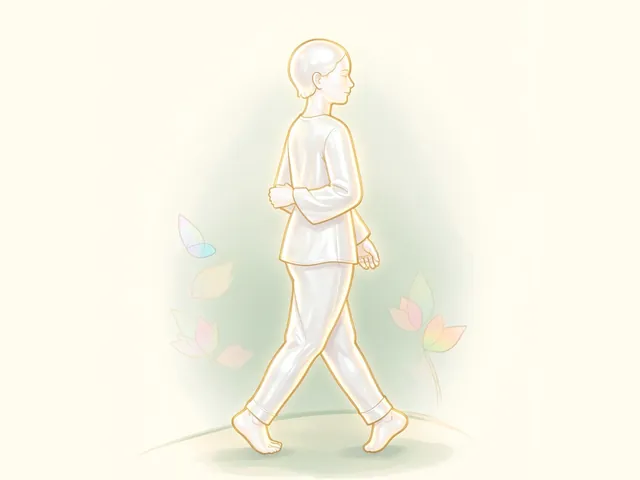
You do not need special moves to follow Osho's idea of watching. Sit, breathe and notice what happens. A thought comes. You see it. Then it goes. If you like to move, try our Walking Meditation (Chankramana). Walk slowly and feel each step. Many people use mindful practice for general wellness [1]. It is not a cure for any illness, so see a doctor about health problems.
Keep It Safe and Balanced
Fast breathing and strong movement are not right for everyone. Skip them if you are pregnant or have heart, breathing or mental health concerns. Ask your doctor first if you are unsure. Stop at once if you feel dizzy or unwell. Most people meditate to feel calmer [1], so gentle is better than hard. The Bhagavad Gita (6.16-17) teaches balance in the same way. It says to avoid too much or too little of eating, sleeping and effort.
Build a Calm Daily Habit
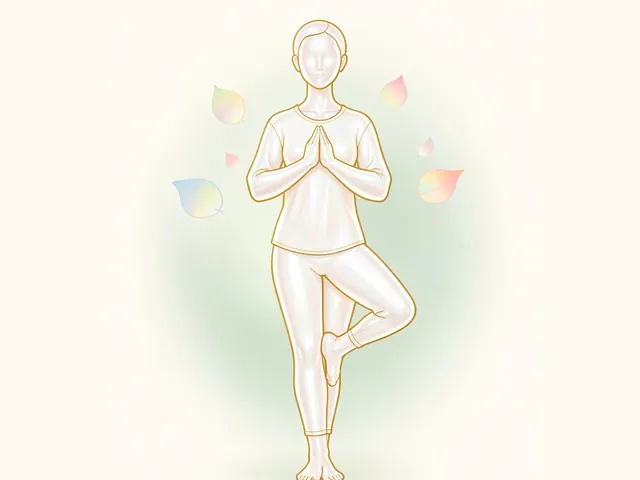
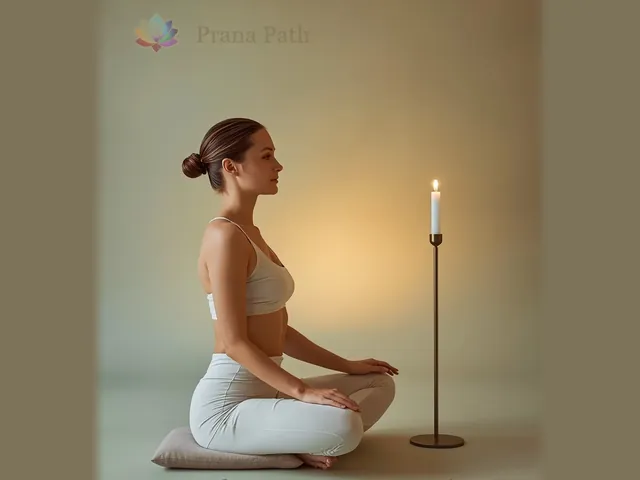
Start with five or ten minutes each day. Pick the same quiet time and place. Do not judge a session as good or bad. Many people choose meditation as a way to ease stress [1]. A few light stretches before you sit can help. Tree Pose (Vrikshasana) builds focus, and Cobra Pose (Bhujangasana) opens the chest. If you want another quiet focus, try Trataka (Candle Gazing).
Try it: simple steps
- Find a quiet spot and sit in a comfortable way.
- Close your eyes and breathe naturally for one minute.
- Hum softly on each out-breath for three minutes.
- Stop humming and sit in silence for two minutes.
- Watch your thoughts like clouds passing by.
- Open your eyes slowly and rest your hands on your knees.
- Repeat daily and add a few minutes each week.
Questions people ask
What is the easiest Osho meditation for beginners?
Nadabrahma, the humming meditation, is gentle and simple. You sit, close your eyes and hum softly. Start with a few minutes and go slowly.
Is Osho's Dynamic Meditation safe?
It uses fast breathing and strong movement, so it is not right for everyone. Talk to your doctor first if you have heart, breathing or other health concerns. Stop if you feel dizzy.
How long should I meditate each day?
Five to ten minutes is a good start. Add a little time as it feels easy. Regular short practice is better than rare long practice.
Can meditation cure illness?
No. Meditation is a general wellness habit, and many people use it to relax [1]. See a doctor for any health problem.
Sources
- NCCIH: Meditation and Mindfulness - Effectiveness and Safety · U.S. National Institutes of Health
Written with AI assistance from the sources above, then checked for copied text and risky health claims. How we write
Practise it here
Related reading
This is general wellness information, not medical advice. Move slowly, never force a pose or a breath, and stop if you feel pain, dizziness or breathlessness. If you are pregnant, have high blood pressure, heart, lung or eye conditions, or recent surgery, ask your doctor before starting.