 Prana Path
How to Meditate Properly: A Gentle Guide
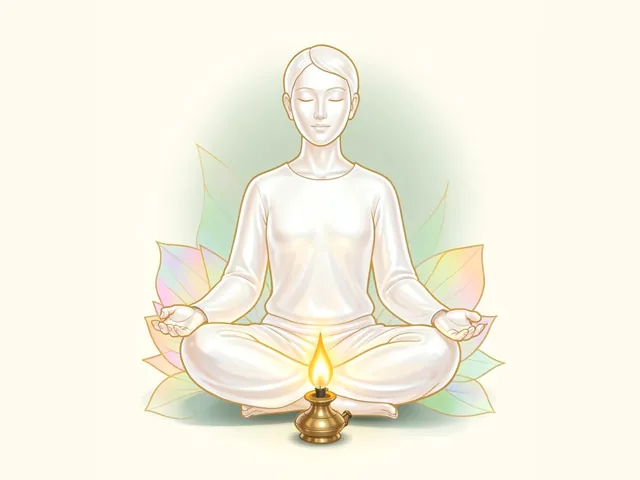
Many people want to know how to meditate properly. The good news is that there is no perfect way. This guide gives you simple steps to start, and gentle ways to keep going.
This is general wellness information, not medical advice. Read our health disclaimer.
What Meditation Really Is
Meditation (dhyana, or steady attention) means training your mind to rest in one place. You are not trying to empty your head. Thoughts will come, and that is normal. Your job is to notice them and gently return to your focus. Many people meditate to relax or ease stress [1].
Set Up a Calm Place and Posture
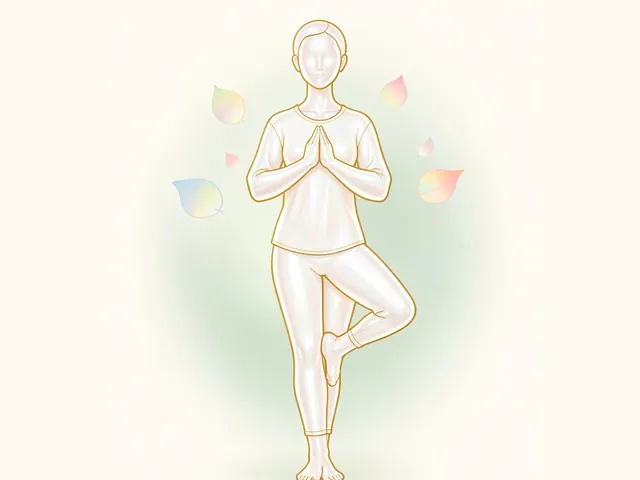
Pick a quiet spot where nobody will disturb you. Sit on a chair or a cushion with a tall, relaxed back. Rest your hands on your lap. Close your eyes, or look softly at the floor. If sitting is hard, lie down or try Tree Pose (Vrikshasana) first to feel steady in your body. Comfort matters more than a fancy shape. Many people say they meditate for general wellness [1].
Use Your Breath as an Anchor
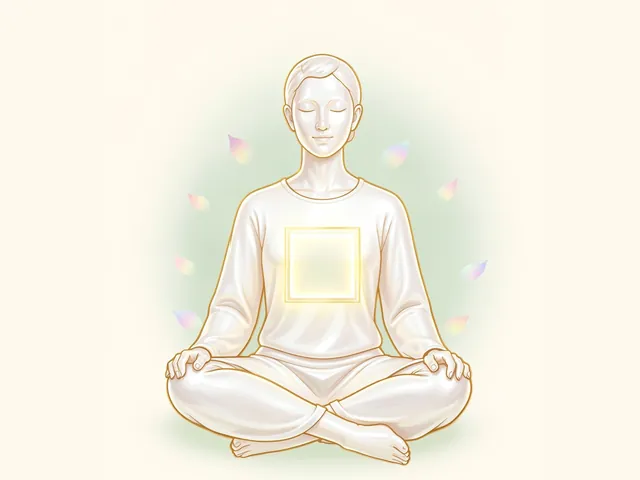
Your breath is the easiest thing to focus on. Breathe in through your nose and feel the air move. Then breathe out slowly. When your mind wanders, bring it back to the breath without blame. Box Breathing (Sama Vritti) is a simple way to start, as it gives your mind a clear count to follow. Most people who practise mindfulness say they do it to relax [1].
Start Small and Build a Habit
Begin with just five minutes a day. Pick the same time each day, such as after you wake up. Add a minute or two each week if it feels good. A short daily practice works better than a long one done once. Stop if you feel unwell, and speak to a doctor about any health worries. Meditation is a general wellness habit, not a medical treatment [1].
Try Other Gentle Styles
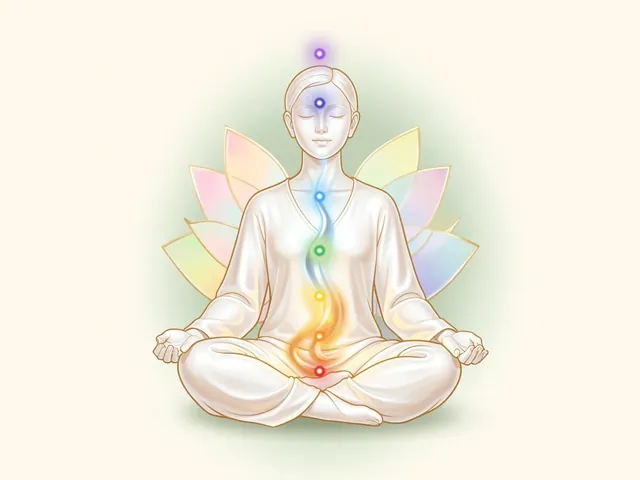
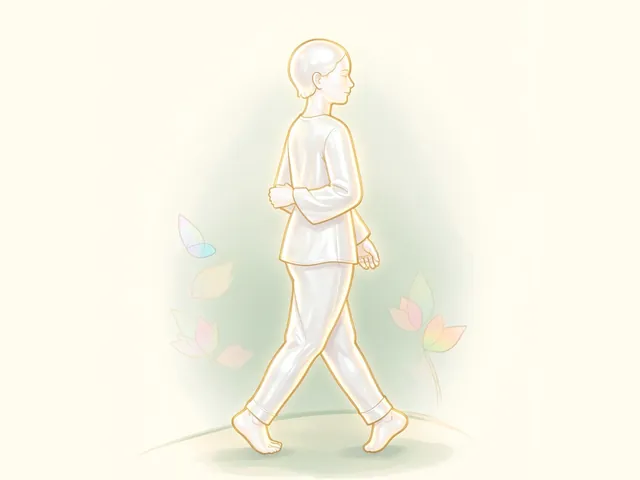
Sitting still does not suit everyone. Walking Meditation (Chankramana) lets you focus on each step instead. Alternate Nostril Breathing (Nadi Shodhana) is a calm breath practice you can try before you sit. You can also explore Bhagavad Gita Meditation (Dhyana) for a traditional approach. Most people who meditate say they hope to feel more relaxed [1].
Keep Balance, Not Perfection
The Bhagavad Gita (a classic Indian text) says yoga suits those who are moderate in eating, sleep and effort (Gita 6.16-17). The same idea fits meditation. Do not push too hard or judge yourself. Be kind when your mind wanders. Gentle, steady practice is what helps most people relax and feel calmer [1].
Try it: simple steps
- Find a quiet place and sit comfortably.
- Keep your back tall and your shoulders soft.
- Close your eyes or look softly down.
- Breathe in and out through your nose.
- Count each breath, from one to ten.
- When you drift away, gently return to the breath.
- End slowly and sit still for a moment.
Questions people ask
How long should a beginner meditate?
Start with five minutes a day. Add a little time each week if it feels easy. Short and regular practice is a good way to begin.
Can I meditate lying down?
Yes, you can. Lying down is fine if sitting hurts. Just try to stay awake and keep your mind on your breath.
What if my mind keeps wandering?
This happens to everyone. Notice the thought and gently return to your breath. Each return is the practice itself, not a failure.
Is meditation a medical treatment?
No. Meditation is a general wellness habit that many people use to relax [1]. If you have a health problem, please see a doctor.
Sources
- NCCIH: Meditation and Mindfulness - Effectiveness and Safety · U.S. National Institutes of Health
Written with AI assistance from the sources above, then checked for copied text and risky health claims. How we write
Practise it here
Related reading
This is general wellness information, not medical advice. Move slowly, never force a pose or a breath, and stop if you feel pain, dizziness or breathlessness. If you are pregnant, have high blood pressure, heart, lung or eye conditions, or recent surgery, ask your doctor before starting.