 Prana Path
How to Sleep Better During Hot Summer Nights
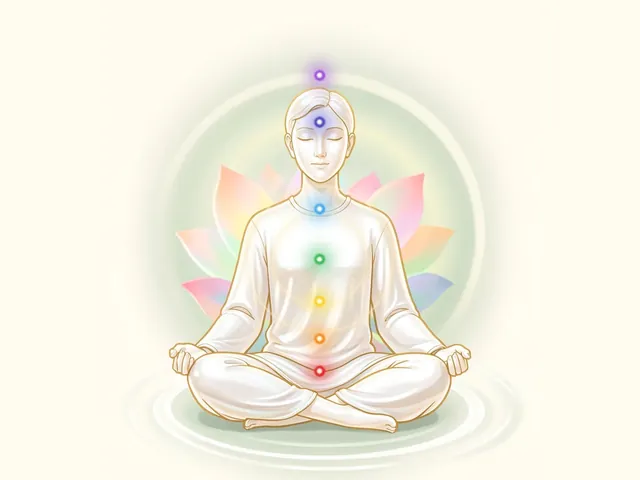
Hot nights can make good sleep feel out of reach. Your body already changes through the night, and a warm room adds to that [1]. This guide shares calm, simple ways to rest more easily when summer feels heavy.
This is general wellness information, not medical advice. Read our health disclaimer.
Why hot nights feel so hard
Sleep is not one flat state. Your brain moves through lighter and deeper stages during the night [1]. Your breathing, heart rate and body temperature all shift along the way [1]. A very warm room may make it harder to settle into this pattern. A cooler, quieter space often feels kinder to your body.
How much sleep should you aim for?
Most adults need about 7 to 9 hours each night [1]. Teenagers usually need a little more, around 8 to 10 hours [1]. How much you need changes with how old you are, how you live, how well you are and how you sleep [1]. A short night in the heat happens to everyone. Try not to worry about it, because worry makes rest harder.
Make your bedroom cooler and calmer
Your brain needs every sleep stage to give you healthy rest [1]. So the goal is a room that helps you stay asleep, not only fall asleep. Close curtains in the day to keep sunlight out. Open windows at night when the air cools. Use light cotton sheets and a gentle fan. A lukewarm shower before bed can also help you feel fresh.
Slow your breath before bed
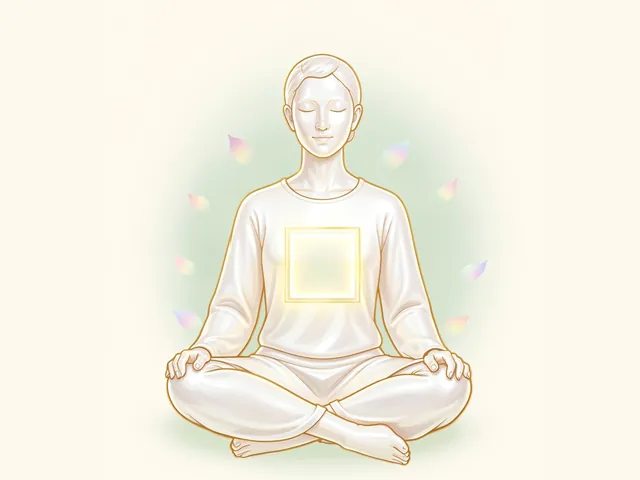
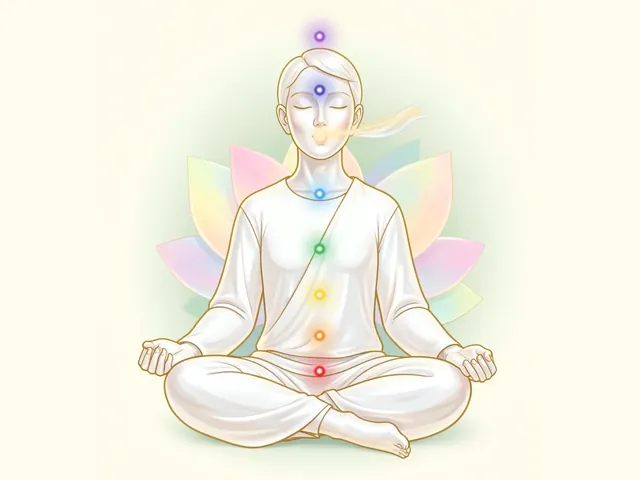
Pranayama (breath practice) is a simple way to calm down at night. Your breathing and heart rate naturally change as you drift into sleep [1]. Try Bee Breath (Bhramari). Breathe in through your nose, then hum softly as you breathe out, like a gentle bee. You can also try Box Breathing (Sama Vritti), where you breathe in, pause, breathe out and pause for the same count. Keep every breath easy and never strain.
Move gently and quiet your mind
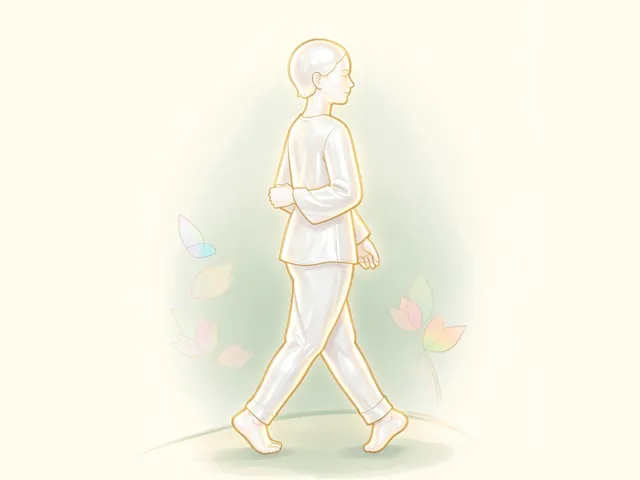
Heavy exercise late in the evening can leave you feeling hot and wired. Choose slow movement instead. Try Walking Meditation (Chankramana), which means walking slowly while you notice each step. Do it in the cooler evening air, away from screens. Sleep gives your heart and blood vessels a rest [1]. A calm evening helps you step into that rest with less effort.
Find balance, the Gita way
The Bhagavad Gita (a sacred Indian text) teaches balance and moderation in Chapter 6, verses 16 and 17. In simple words, it says a steady life avoids too much and too little, including in food and sleep. This fits well with summer nights. A light dinner and regular bedtimes are good places to start. Sleep also helps keep the hormones that control hunger and fullness in balance [1].
Try it: simple steps
- Keep curtains closed during the day to block the heat.
- Open windows or use a fan once the air cools at night.
- Take a lukewarm shower about an hour before bed.
- Eat a light dinner and sip water earlier in the evening.
- Put screens away and dim the lights.
- Practise Bee Breath (Bhramari) for a few minutes.
- Go to bed at about the same time each night.
Questions people ask
How many hours of sleep do I need in summer?
Most adults need about 7 to 9 hours a night, and heat does not change that general guide [1]. If you sleep badly in the heat, nap lightly or go to bed a little earlier. See a doctor if poor sleep lasts for weeks.
Can yoga help me sleep on hot nights?
Gentle yoga and slow breathing can help you feel calmer before bed. They are not a cure for sleep problems. Pick easy practices like Bee Breath (Bhramari), and stop if anything feels uncomfortable.
When should I see a doctor about my sleep?
See a doctor if you feel very tired every day, or if poor sleep goes on for a long time. Hot weather is not always the cause. A doctor can look at your whole health picture and guide you safely.
Sources
- MedlinePlus: Healthy Sleep · U.S. National Library of Medicine
Written with AI assistance from the sources above, then checked for copied text and risky health claims. How we write
Practise it here
Related reading
This is general wellness information, not medical advice. Move slowly, never force a pose or a breath, and stop if you feel pain, dizziness or breathlessness. If you are pregnant, have high blood pressure, heart, lung or eye conditions, or recent surgery, ask your doctor before starting.